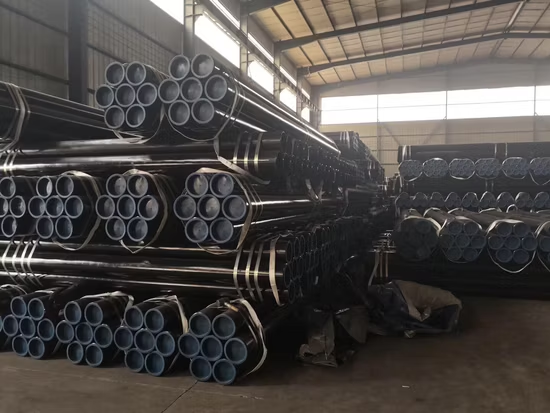
The demand for reliable piping in heavy industry never stops. Engineers often turn to the ASTM A671 CC60 pipe for systems that handle intense pressure at atmospheric and lower temperatures. This specific grade is a fusion-welded steel pipe made from pressure vessel quality plate. It fills a critical gap where standard piping might fail under stress. Its robust build makes it a standard in large-scale infrastructure. The industrial uses of A671 CC60 pipes include energy, chemical processing, and fluid transport. Its ability to maintain structural integrity under load makes it suitable for modern engineering projects.
What is A671 CC60 Pipe?
ASTM A671 is a standard that covers electric-fusion-welded steel pipe with filler metal added. The CC60 designation refers to the type of plate used during fabrication. In this case, CC60 signifies killed carbon steel with a moderate tensile strength. The chemical composition focuses on carbon, manganese, phosphorus, and sulfur. This balance makes sure the pipe is weldable while remaining tough. Compared to other grades like CC65 or CC70, the carbon steel CC60 pipe offers a specific balance of ductility and strength. It is designed to withstand the internal forces of high-pressure fluid flow without cracking or deforming over time.
Specifications of A671 CC60 Pipe
Technical standards ensure safety and performance in the field. Below are the key production specifications for these pipes.
| Specification | Details |
| Standard | ASTM A671 / ASME SA671 |
| Grade | CC60 |
| Class | CL10, CL12, CL13, CL22, CL32 |
| Size Range | 16″ NB to 100″ NB |
| Wall Thickness | 2mm to 60mm |
| Length | Single Random, Double Random, or Custom Lengths |
| End Connections | Plain End, Bevelled End, Coupled |
| Coating | Epoxy, 3LPE, Black Painting, Galvanised |
| Testing | Hydrostatic, Ultrasonic, Radiography, Magnetic Particle |
Applications of A671 CC60 Pipe
The versatility of this material allows it to function in several demanding sectors.
- Oil & Gas Pipelines
These pipes transfer crude oil and natural gas over long distances. The fusion-welded seams are strong enough to handle the surge pressures found in midstream operations. They provide a safe path for hydrocarbons from extraction sites to refineries.
- Power Generation Plants
In power plants, piping must manage steam and water at high velocities. The A671 CC60 pipe is used in cooling water circuits and low-pressure steam lines. Its durability ensures the plant runs without frequent leaks or pipe bursts.
- Petrochemical and Chemical Industries
Chemical plants deal with volatile fluids that require heavy-wall piping. This grade of carbon steel resists the mechanical wear caused by constant flow. It serves as a reliable conduit for raw materials and finished chemical products.
- Structural and Mechanical Systems
Beyond fluid transport, these pipes serve as structural columns in heavy construction. Their high load-bearing capacity makes them useful for foundation piling and bridge supports. They offer a high strength-to-weight ratio for large builds.
- Water and Fluid Transportation
Municipal water lines often use large-diameter CC60 pipes for high-pressure mains. They transfer massive volumes of water throughout cities with minimal risk of failure. This keeps utility costs down and ensures a steady supply for the public.
Advantages of A671 CC60 Pipe
Choosing the right material impacts the safety and cost of a project. Here is why this pipe grade stands out.
- High Strength and Durability
The CC60 grade is built from pressure vessel quality steel. This means it can handle high-pressure situations without the metal getting weak. It stays round and intact even when there are a lot of external and internal loads on it.
- Corrosion Resistance
When treated with the right coatings, these pipes resist rust and decay. This is vital for pipes buried underground or exposed to damp industrial air. Proper protection ensures the pipe walls stay thick and strong for decades.
- Versatility
These pipes come in many sizes and wall thicknesses. Engineers can specify the exact class, such as CL22, to match the heat treatment needed for their project. This flexibility makes it easy to find a fit for unique system designs.
- Cost-Effective
Lower maintenance needs lead to big savings over the life of the system. Since these pipes last a long time, the initial investment pays off. Fewer repairs mean less downtime for the factory or pipeline.
- Compliance with Industry Standards
The ASTM A671 certification is a quality standard. It informs the buyer that the pipe follows strict testing rules for welding and material purity. This reliability decreases the risk of accidents and ensures safety.
How to Choose the Right CC60 Pipe
The pressure and temperature limits of your project are the first things to consider when choosing the right pipe. You need to ensure that the CC60 grade meets the minimum tensile requirements for your flow rate. Wall thickness is another important thing to think about. Thicker walls can handle more pressure, but they also add weight and cost. You also need to choose between different classes, such as CL12 or CL22, depending on the heat treatment that is needed. Welded pipes are usually better for large diameter pipes, but seamless pipes may be needed for certain joints that are under a lot of stress. Always check the credentials of your source to make sure the steel meets ASTM standards.
Conclusion
The A671 CC60 pipe remains a vital component in the global industry. Its blend of strength, weldability, and pressure resistance makes it hard to beat. Whether you are building a refinery or a water main, this pipe provides the necessary security. Using the right materials prevents leaks and protects the environment. For high-quality supplies, working with a trusted A671 CC60 pipe supplier is essential. They can provide the necessary test reports and certifications to keep your project on track and safe.