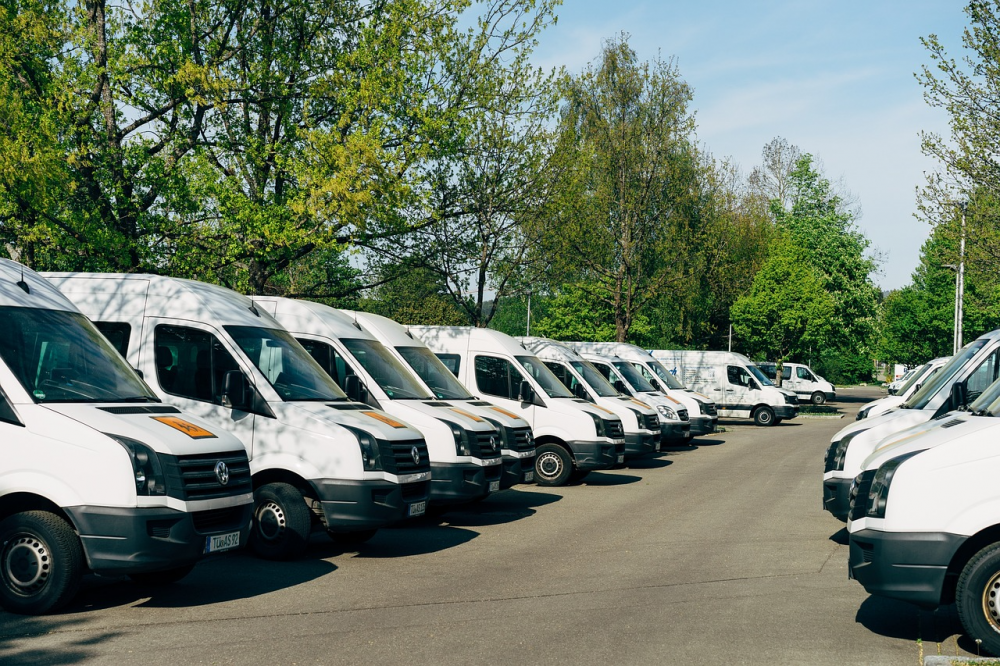
So, I was talking to a friend last week who runs a small logistics business out of Pune, and he was venting about how two of his drivers “took a detour” that somehow added 40 extra km to a delivery. Forty km! On a route that should’ve taken maybe an hour. And he had no idea until the fuel bill showed up looking way too high. That conversation kind of stuck with me, honestly, because it’s such a common problem — and it’s also exactly the kind of thing a real-time vehicle tracking system fixes without much fuss.
If you own even a couple of vehicles — cars, bikes, trucks, doesn’t matter — and you’re not using some form of GPS tracking, you’re basically flying blind. I don’t say that to scare anyone, it’s just… true. Let’s get into the actual benefits, because there are quite a few, and some of them aren’t the ones people usually talk about first.
1. You Actually Know Where Your Vehicles Are (Shocking, I Know)
This sounds obvious but bear with me. A vehicle GPS tracking device gives you live location data — not “last seen two hours ago” but right now, this second. For fleet owners in cities like Delhi, Mumbai, Bangalore, wherever, traffic is unpredictable. Knowing exactly where a vehicle is means you can reroute, give customers accurate ETAs, and just… stop worrying. There’s something weirdly calming about opening an app and seeing little dots moving on a map, all accounted for.
2. Fuel Costs Go Down (And This One Hits the Wallet Fast)
Fuel theft and wastage is a massive issue in India’s transport sector — like, massive. Drivers siphoning fuel, taking longer routes to rack up reimbursements, leaving engines idling for way too long. A GPS vehicle tracking system with fuel monitoring catches all of this. You’ll see fuel level drops that don’t match distance travelled, weird idle times, the works. One transport operator I read about cut fuel expenses by nearly 15% just by tracking idle time and confronting drivers with the data. Numbers don’t lie, and drivers know that too once they realize you’re watching.
3. Driver Behaviour Monitoring — Because Not Everyone Drives Like They Should
Harsh braking. Rash acceleration. Over-speeding on highways where the limit is, what, 80 and someone’s doing 110. A vehicle tracking system tracks all this and gives drivers a sort of “score.” Honestly this feature alone can reduce accidents significantly. And insurance companies in India are starting to offer better premiums for fleets with documented safe-driving records — which, okay, isn’t a small thing when you’re insuring 20+ vehicles.
4. Geofencing Alerts — Set Boundaries, Get Notified
This is one of my favourites, not gonna lie. You draw a virtual fence around an area — a warehouse, a delivery zone, a no-go area, whatever — and the moment a vehicle crosses that line, you get an alert. Pickup happened? Notification. Vehicle left the designated zone at 11pm for no reason? Notification. It’s useful for school bus tracking too, parents get peace of mind knowing the bus entered the school premises safely. Small thing, big relief for a lot of worried parents.
5. AIS-140 Compliance — Not Optional Anymore
Okay, this one’s specific to India and it’s important. Under AIS-140 norms (enforced by MoRTH), commercial vehicles — buses, taxis, trucks — are required to have GNSS-based tracking devices with emergency panic buttons and connectivity to state transport authorities. If you run a fleet of buses, trucks or cabs, AIS-140 compliance is non-negotiable. So really, getting an AIS-140 certified GPS tracker isn’t just a “nice feature” thing anymore — it’s the law, and the deadlines have only gotten stricter through 2025 and into 2026. RTO-approved GPS tracking devices are now basically mandatory for commercial registration in many states.
6. Theft Recovery — Because Vehicle Theft Is Still a Real Problem
I had a cousin whose scooter got stolen from outside a market in Lucknow. Gone, just like that. No tracker, no recovery, nothing the police could really do beyond filing a report. Compare that to a vehicle with a GPS car tracker — the moment it moves without authorization, you get an alert, and you (or the police) can literally watch it move in real-time and intercept it. Some trackers even let you remotely cut off the fuel supply or immobilize the engine. That’s not science fiction anymore, that’s a ₹2,000-3,000 device.
7. Route Optimization — Save Time, Save Money, Reduce Headaches
A real-time vehicle tracking system doesn’t just tell you where vehicles are — it can suggest better routes based on live traffic. For delivery businesses in places like Hyderabad or Chennai where traffic patterns shift constantly (one minute it’s clear, the next there’s a jam because of some random event), this is huge. Less time on the road means lower fuel use, happier drivers, faster deliveries. Customers notice when their package arrives on time. They really do.
8. Maintenance Scheduling — Stop Vehicles From Breaking Down Randomly
Most vehicle tracking devices log engine hours, mileage, and sometimes even basic diagnostic data. This means you get reminders for servicing before something actually breaks down on the highway at 2am (which, trust me, happens more than you’d think). Preventive maintenance is way cheaper than emergency repairs — and way less stressful for everyone involved, especially the driver stuck on the roadside.
9. Better Customer Service — Because People Want to Know “Where’s My Order?”
This is more relevant than ever with the e-commerce and logistics boom across India. Customers want live tracking links, accurate delivery windows, the whole thing. A GPS fleet tracking system feeds that data directly into customer-facing apps. It’s a small thing but it builds trust — and trust is, honestly, half the battle in retaining customers in a competitive market.
10. Data-Driven Decisions — The Long Game
Okay so all the points above are kind of immediate, day-to-day benefits. But there’s a bigger picture too. Over months, a vehicle tracking system builds up a pile of data — trip histories, fuel patterns, driver scores, idle times, route efficiency — and that data tells you things you’d never notice otherwise. Maybe one route is consistently 20 minutes slower at a certain time of day. Maybe one driver is way more efficient than the others and you should ask what they’re doing differently. The right vehicle GPS tracker or GPS satellite tracker helps minimise fuel theft, ensures operational control, improves safety, and works scalably. That scalability part matters a lot if you’re planning to grow your fleet — what works for 5 vehicles needs to also work for 50, and tracking systems give you that foundation.
So… Is It Worth It?
I’ll be honest, when people first hear “GPS tracking system” they sometimes think it’s some expensive, complicated tech thing only big companies need. That’s not really true anymore. Whether you’re running a single car for personal use, a couple of delivery bikes, or a full commercial fleet of trucks and buses, there’s a tracking solution that fits — and honestly the cost has come down a LOT in recent years.
For commercial operators, getting an AIS-140 certified, RTO-approved GPS vehicle tracking device basically pays for itself — between fuel savings, reduced theft, lower insurance premiums, and avoiding compliance penalties, it’s hard to argue against it. Adoption is growing at 16.9% CAGR globally through 2035, so clearly more and more businesses are figuring this out too.
My friend in Pune, by the way? He got a basic GPS tracker installed about three months after that 40km detour incident. Says it’s the best ₹3,500 he’s spent all year. Make of that what you will.
Anyway — if you’re on the fence (pun absolutely intended) about installing a vehicle tracking system for your car, bike, or commercial fleet, maybe just start small. One vehicle, basic real-time tracking, see how it feels. You might be surprised how quickly it becomes something you can’t imagine running your fleet without.