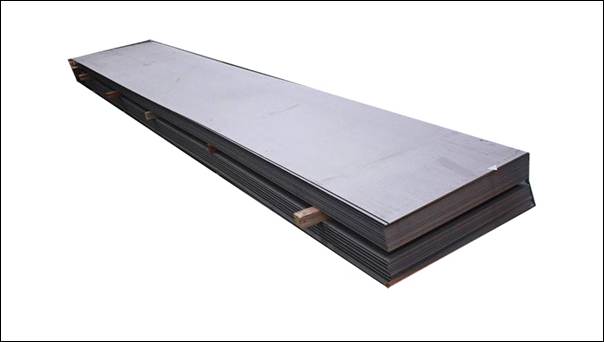
Mining and construction equipment takes a beating that most materials can’t survive for long. Rocks, minerals, aggregates, and heavy loads grind against contact surfaces continuously and every hour of that contact removes material, degrades components, and eventually forces downtime for replacement. The solution isn’t more frequent maintenance. It’s specifying the right material from the start. Abrasion resistant steel plates, particularly 400 BHN Plates, are engineered specifically for these high-wear environments. They extend equipment life, cut replacement frequency, and reduce the operational costs that come from running worn-out components past their safe working life.
What Are 400 BHN Plates?
BHN stands for Brinell Hardness Number, a standardized measurement of a material’s resistance to surface indentation under load. The higher the BHN value, the harder the surface and the greater its resistance to abrasive wear.
400 BHN steel plates are in the medium-high range of the wear plate family. They are carbon manganese alloy steel plates, annealed and then it hardened to a surface hardness of roughly 400 Brinell. This level of hardness provides a nice balance between abrasion resistance and toughness. The plate is resistant to wear on the surface and will not become brittle or break on impact.
Important material features are high hardness over the entire thickness of the plate, strong toughness to absorb impact without fracture and good weldability to enable fabrication into equipment components. “This is not the toughest wear plate on the market. Grades like 500 BHN go higher, but the 400 BHN range is where most mining and construction applications lie, because it manages both abrasive sliding wear and impact loading simultaneously without the cracking danger of harder grades.
Why Wear Resistance Matters in Mining and Construction
The operating environment in mining and construction is one of the most abrasive industrial settings that exists. Excavator buckets load and dump hard rock and ore continuously. Dump truck bodies carry thousands of tons of abrasive material per shift. Crusher liners contact hard rock at high impact forces. Conveyor chutes and hoppers see constant sliding contact from abrasive aggregates.
Standard structural steel doesn’t survive those conditions economically. The wear rate is simply too high. Components need replacement so frequently that maintenance costs and downtime become significant operational burdens. Durable steel materials at the 400 BHN hardness range change that equation the contact surface resists wear rather than sacrificing itself to it, and the gap between replacement intervals widens dramatically.
Heavy loads compound the problem. It’s not just abrasion it’s abrasion combined with impact from large rocks, high drop heights in chutes and hoppers, and the cyclic loading of vehicle bodies under repeated loading and dumping. A material that handles abrasion but cracks under impact isn’t a solution. 400 BHN plates handle both.
Top Benefits of Using 400 BHN Plates
Excellent Abrasion Resistance
The hardened surface of 400 BHN wear plate resists progressive material removal caused by sliding friction. In mining chutes and excavator buckets, it drastically drops the wear rate compared to structural steel, maintaining long-term component geometry.
Longer Equipment Service Life
Lining surfaces that experience excessive wear with 400 BHN plate greatly increases the life of the equipment underneath. That longevity translates into less maintenance shutdowns, less costly operating downtime, and longer production runs between liner changes.
High Strength and Toughness
These plates withstand extreme structural loads and severe impact stress without deforming or fracturing. This balanced combination of hardness and toughness prevents cracking, making it ideal for high-impact zones like crusher liners and bucket lips.
Cost-Effective Solution
While initially more expensive than mild steel, 400 BHN plates dramatically lower the total cost per operational hour. They reduce replacement frequency, slash labor expenses, and minimize lost production time during scheduled equipment maintenance.
Versatile Industrial Applications
This highly adaptable grade suits various equipment types, including hoppers, dump bodies, and chutes. It can be bent, welded, and cut using standard fabrication procedures, allowing workshops to form complex geometries without specialist equipment.
Better Performance in Harsh Environments
These plates perform reliably in rugged outdoor conditions, enduring temperature shifts, rough handling, and continuous high-cycle field operations. They easily withstand severe material drops and structural stress without requiring additional protective surface coatings.
Common Applications of Wear Resistant 400 BHN Plates
These plates protect critical heavy machinery from severe abrasion across various industrial sectors.
Mining Industry
Bucket liners and conveyor deflectors utilize 400 BHN plates to withstand abrasive rock contact and extend maintenance intervals.
Construction Industry
Excavator bucket lips and grader blades use this material to endure wear demands ranging from soft fill to hard rock.
Cement Plants
Kiln feed chutes and clinker handling systems utilize these plates to survive relentlessly abrasive contact surfaces throughout the plant.
Material Handling Systems
Transfer chutes and bin walls leverage 400 BHN plates to maintain steady material flow without suffering premature surface erosion.
Earthmoving Equipment
Dozer blade faces and scraper cutting edges use these plates to resist aggressive abrasion from direct contact with hard rock.
Factors to Consider When Choosing 400 BHN Plates
Choosing the right thickness selection and welding capability approach is critical for maximizing your plate’s lifespan. You need to select a thickness that directly matches your specific wear severity and target maintenance schedule; undersizing the material means it will wear through way before your planned shutdown. When it comes to fabrication, always use low-hydrogen welding procedures and apply the proper preheat on thicker sections to prevent heat-affected zone cracking.
To achieve the best performance from your wear plates, balancing fabrication requirements and expected load and abrasion conditions is absolutely essential. For instance, your fabrication team needs to know that 400 BHN plate cuts cleanly with plasma, bends under controlled press brake procedures, and machines well with standard tooling. Evaluating these processing steps before ordering ensures you choose the right material thickness. Simultaneously, analyzing the operational environment is vital; pure sliding abrasion demands maximum hardness, whereas combined impact and abrasion makes 400 BHN’s perfect balance of toughness and durability the ideal choice for your project.
Conclusion
400 BHN Plates solve a specific and expensive problem: equipment wear in abrasive, high-impact mining and construction environments. They offer a mix of surface hardness, toughness and fabrication practicality, making them the standard specification for wear liners, bucket components and material handling contact surfaces throughout the industry. The proper thickness for the application, the welding method and the source from a certified provider all affect whether the plate will deliver its entire service life. With major suppliers including Rexton Steel and Alloys and other established wear plate stockists such as SSAB, Bisalloy and Dillinger, we supply certified 400 BHN plate with comprehensive documentation. Evaluate the wear conditions, determine the proper thickness and source from a provider who can back up the material with mill certification.