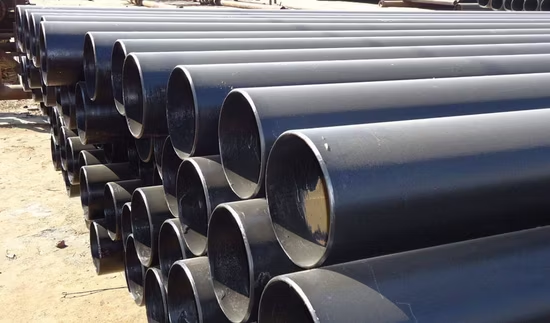
To select the right carbon steel seamless pipe one has to look at the specific demands of the project. These pipes are very well suited for high pressure systems and critical applications. Buyers count on them for their intrinsic strength and solid durability in harsh conditions. The leak free construction prevents system failures under extreme stresses. You need to know the material grades, wall thickness and pressure ratings according to the specific requirements of your plant or facility to source the right industrial carbon steel seamless pipes.
What Is a Carbon Steel Seamless Pipe?
Carbon Steel seamless pipe is produced using a solid cylindrical piece of steel known as the billet. In the production process, the billet is heated and pierced to form a hollow steel tube, and this procedure does not involve any welding or jointing at all. Without seams, these seamless carbon steel pipes have the advantage of durability.
The welded pipes are manufactured using rolled steel sheets and welding the seams of those sheets to produce pipes. Welded pipes might fail at the seams when subjected to extreme pressure. But there will be no such problems at all with these seamless carbon steel pipes because of their uniform cross section.
These pipes are manufactured according to strict technical specifications and are usually categorized using the standards of ASTM A106 or API 5L. According to these standards, the chemical composition of the pipes should conform to certain requirements, and the pipes should undergo certain tests before coming into the market. Carbon in the material affects the hardness and tensile strength of the pipes.
Why Carbon Steel Seamless Pipes Are Widely Used
Many industrial projects rely on seamless carbon steel pipes because they handle extreme conditions safely. Buyers always select them based on several distinct mechanical advantages.
High Strength
The pipes have high tensile strength to resist mechanical loads. The simple alloy composition of steel will ensure the required toughness that can operate under tough conditions.
Uniform Structure
The extrusion production process eliminates any requirement for welding joints or vulnerable spots. Physical load is distributed evenly through the metal grain across the whole pipe length.
Better Pressure Handling
Absence of a weld seam is what makes this pipe perfect for high-pressure environments. They are used by engineers to move volatile substances and gases under pressure without fear of any wall breaks.
Long Service Life
The sturdy construction allows for dependable performance when maintained correctly for years to come. The savings for the plant managers is realized by the need to replace this sturdy tubing less often than the cheaper welds.
Key Factors to Consider When Choosing Carbon Steel Seamless Pipes
Selecting the proper carbon steel pipes requires evaluating your exact project specifications. Engineers must check multiple technical variables before approving any pipe material purchase order.
Application Requirements
The type of industry determines the type of pipes that should be used. The purchasers need to ensure that the products they buy meet their requirements at oil and gas plants, construction sites, power stations, and other heavy industrial areas.
Operating Pressure and Temperature
Engineers choose appropriate material grades depending on the environment and flow dynamics. The purchaser has to make sure there is full compliance with the project specifications in terms of maximum temperature and internal system pressure.
Pipe Grade and Material Specification
Technical grades such as ASTM A106, ASTM A53, and API 5L are specified in purchasing departments. Engineers refer to other related standards to ensure the steel composition is consistent with safety standards in place at the facilities.
Pipe Size and Wall Thickness
The buyers decide on the required exact diameter for the fluid to be used. The engineering department decides on the specific schedule to be used like SCH 40 or SCH 80.
Corrosion and Environmental Conditions
Facilities need to assess the expected exposure to moisture, chemicals, and outdoor elements. Project managers will determine the precise requirement for coating either externally or internally in order to protect steel from rusting.
Quality Certifications
Compliance to the standard specifications set by ASTM, ASME, or API is an absolute requirement for the supplier. The buyer must always request the original test certificates from the mill together with the inspection reports before any material deliveries.
Common Types of Carbon Steel Pipes
The market offers several distinct grades of carbon steel pipes for specific project needs. Buyers must understand the standard classifications used by steel pipe manufacturers.
- ASTM A106 Seamless Pipes work very well for high temperature applications. Plant engineers employ this particular type to ensure that steam and hot fluid flows through the industrial process system.
- ASTM A53 Carbon Steel Pipes perform well in structures and low pressure applications. Contractors use these pipes in plumbing systems and air transportation within commercial establishments.
- API 5L Pipes are common in huge oil and gas transportation systems around the world. Energy firms depend on these pipes for transporting crude oil and gas over long distances.
Industries That Use Seamless Carbon Steel Pipes
Many heavy sectors depend on industrial carbon steel seamless pipes to keep their operations running safely. Different facilities use these solid pipes for fluid movement.
Oil and Gas Industry
Energy companies install heavy pipes across massive cross country pipelines. Operators also use them extensively inside busy refineries and large scale processing facilities to handle crude oil extraction and refinement.
Power Plants
Energy generating facilities require strong pipes for high pressure boilers. Maintenance teams install these materials in critical steam lines and complex heat exchangers to manage extreme temperatures during power generation.
Construction Industry
Builders use thick pipes as foundational supports in major structural projects. Civil engineers specify these durable steel materials for large infrastructure development, including massive bridges and heavy commercial building frameworks.
Manufacturing and Engineering
Factories integrate thick piping directly into heavy machinery and automated process systems. Plant managers rely on these strong steel materials to safely transport industrial chemicals and maintain steady production output.
Benefits of Choosing High Quality Seamless Steel Pipes
Investing in high quality seamless steel pipes directly impacts project success and facility safety. Plant managers notice distinct mechanical benefits after installing these durable materials.
- Solid construction provides enhanced safety and reliability throughout the whole pipe network.
- There is no presence of weld joints, which improves pressure tolerance in peak conditions.
- There are lower maintenance costs for plants, due to the fewer emergency fixes needed for solid pipes.
- Plant facilities get extended operational life, as compared to traditional welded pipes.
- The consistent metal grain structure provides reliable performance under difficult environmental conditions.
Common Mistakes to Avoid When Selecting Carbon Steel Pipes
Buyers tend to miss the mark due to negligence in pressure rating considerations at the time of material selection. The selection of the wrong wall thickness is directly responsible for the burst of pipelines due to the weight of fluids. Project managers also tend to make expensive mistakes by not considering corrosion aspects and get corroded pipelines in humid areas. It is also common practice to purchase material without certification checks straight away from the supplier. The choice of material based purely on cost will always incur higher costs for emergencies in the future.
Conclusion
Consumers have to take into account the grade, size, quality certification and pressure rating of the pipe before deciding. The benefits of seamless carbon steel pipe in the construction process are absolutely necessary for tough working environments. The investment in good quality seamless steel pipes is necessary for the safety of the factory each day.