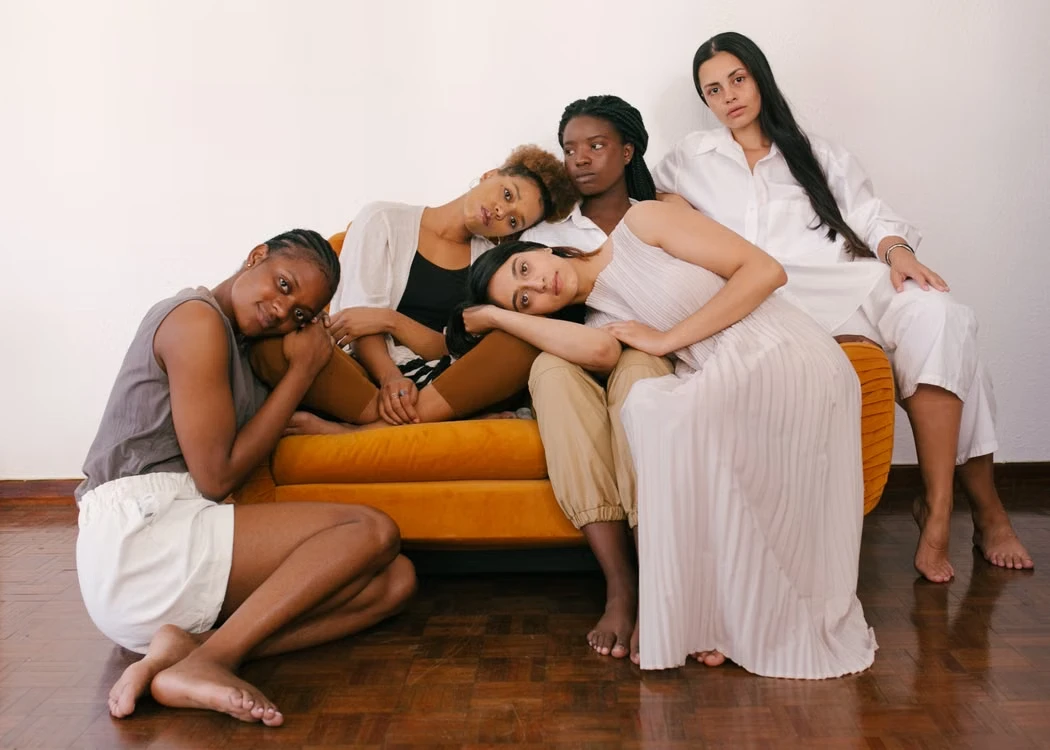
Body editing becomes more complicated when several people share the frame. One person may overlap another, arms may cross, clothing may touch, and a single adjustment can change the spacing between subjects. What looks like a local correction can therefore affect the group as a whole. In a busy group photo, even a small change to one person’s shape can influence how the surrounding subjects appear. This is why group editing often needs a little more care than editing a single portrait.
A photo body editor can be useful for group shots, but the edit has to respect shared pose, scale, and interaction rather than treating each person as if they were photographed alone. The goal is not simply to adjust individual proportions. It is also to make sure everyone still looks naturally positioned within the same scene. When these details are kept consistent, the final image can look polished without making the editing obvious.
Overlap limits what can change independently
In a solo portrait, the body outline may have open background on both sides. In a group photo, one person’s arm can sit behind another person’s waist, shoulders can overlap, or several people can stand close enough that their silhouettes almost merge. This makes the editing process more sensitive because there may be very little empty space around the body.
Changing one contour may therefore require preserving the shape and position of the neighboring person. The more overlap there is, the less freedom an edit has to move a single body without affecting the visual relationship between people. For example, making one person’s waist noticeably narrower can also change the apparent gap between two people standing next to each other. If that gap becomes too large or too small, the original pose may no longer look believable.
Clothing creates another challenge. Jackets, dresses, sleeves, and loose shirts can overlap between subjects, making it difficult to tell where one person ends and another begins. Any adjustment should account for these details instead of treating every visible edge as an independent body outline.
Relative scale matters more in a group
Viewers compare people automatically when they stand side by side. If one person is made noticeably taller, narrower, or broader, the change can alter the apparent height and build of everyone nearby. This comparison happens naturally, even when people are not consciously looking for differences.
This is especially important when subjects stand at different distances from the camera. The person closest to the lens may already appear larger because of perspective, so matching body size without considering depth can make the group look less natural rather than more balanced. Even a small shift can change how the group reads as a whole.
Position also plays a part. Someone standing slightly behind another person should not necessarily have exactly the same apparent proportions as the person in front. Camera angle, posture, footwear, and distance from the lens can all influence how bodies appear in the final photograph.
For that reason, group editing works better when proportions are considered in relation to the entire frame. A subtle adjustment that keeps the original perspective can usually blend more easily than a stronger correction that changes how one person compares with everyone else.
Interaction should remain believable
A hand on someone’s shoulder, linked arms, a shared seat, or two people leaning toward each other create physical relationships that editing has to preserve. If one body moves but the contact point stays behind, the pose can begin to look disconnected. These small inconsistencies can be surprisingly noticeable because viewers are familiar with how people naturally stand, sit, and interact.
For group photos, it helps to review the edit through the interactions:
- do hands still meet shoulders, waists, or arms naturally;
- do people who were leaning together still appear to share the same balance;
- has the spacing between bodies changed in a way the pose cannot explain;
- do relative heights still make sense with the camera perspective?
It is also worth checking areas where clothing meets. A sleeve that originally rested against another person’s arm should not suddenly appear to float in empty space. Likewise, a hand placed around someone’s waist should still appear connected to the body after the adjustment.
These questions keep the group intact as a scene rather than reducing it to several individually polished figures. Once the relationships still read correctly, small body corrections are far less likely to call attention to themselves.
Background space can reveal an edit
The area around the people can also provide clues about whether an adjustment feels natural. In a group photograph, there may be furniture, walls, scenery, or other objects close to the subjects. Moving one body too far can create an unusual gap or cause another person to appear too close to a background element.
For example, if two people were originally standing with only a small amount of space between them, widening that space may make the composition feel different even if both people still look realistic individually. The same can happen when a subject is standing beside a chair, doorway, table, or another fixed object.
Looking at the surrounding space helps keep the edit connected to the original photograph. It gives the editor another reference point beyond the body itself.
Small corrections usually work better
Group photographs do not always need dramatic changes. In many cases, small adjustments are enough to improve the overall appearance while keeping the original pose intact. A minor correction to posture, proportions, or clothing shape can be easier to blend than a major transformation.
This is particularly useful when several people are standing close together. Strong changes can affect neighbouring silhouettes and make the image look less consistent. Smaller edits leave more of the original photograph untouched, which helps preserve natural details such as folds in clothing, body position, and the spacing between subjects.
The aim is to improve the photograph without making the editing itself become the main thing viewers notice.
The best group edit protects the relationships
A successful group photo is usually remembered for the people and the moment between them, not for perfect individual proportions. Editing should preserve that priority. The expressions, poses, shared gestures, and overall atmosphere are often more important than making every body look identical or perfectly symmetrical.
When subjects still occupy believable space, touch where they are supposed to touch, and keep a consistent sense of scale, each person can be refined without making the photograph feel assembled. The group remains the subject, rather than becoming a collection of separate edits.
Taking a final look at the whole image is therefore just as important as checking each person individually. An adjustment may look good when viewed closely but feel different when the entire group is visible. Stepping back and checking the composition, spacing, perspective, and interactions can help catch those small differences before the edit is considered finished.