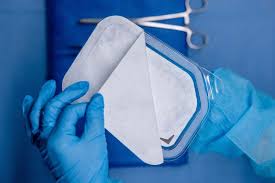
Medical device packaging helps maintain sterility of the product. It is used to protect the medical devices during transport, storage and usage. It is used to protect surgical instruments, diagnostic equipment, and other healthcare products. It consists of different layers of packaging. The primary one encloses the device and maintains sterility; the secondary one provides additional protection; the tertiary one is used to protect the produt during transport.
Developments across the healthcare industry surges the demand for advanced medical device packaging solutions. Rise in use of single-use medical devices also contributes to the demand for high-quality packaging solutions. Further, sustainability also plays an important role across the packaging industry. For example, in 2024, Klöckner Pentaplast introduced kpNext MDR1, a sustainable medical device packaging film designed to meet environmental requirements without reducing performance. Surge in usage of smart technologies in packaging also helps monitor product movement and improve supply chain transparency. These technologies also ensure that medical devices reach healthcare providers safely.
Allied Market Research released a report on the medical device packaging industry. The industry was valued at $37,725.22 million in 2024 and is anticipated to attain $73,830.16 million by 2034. The AMR report offers industry insights and trends along with market dynamics. This helps the stakeholders make strategic decisions. The medical device packaging market is segmented into material type, type, application, and region. By material type, the plastic films segment held the highest share in the year 2024; by application, the others segment held the highest share in the year 2024.
Medical device packaging must ensure that the device is sterile until it is opened. This prevents microorganisms from entering the package. Common materials used in packaging include plastic films, aluminum foil, and polymer laminates. These materials provide protection against moisture, dust, and other factors. Further, medical device packaging also enables identification of medical devices.
Regional landscape of the medical device packaging industry
North America holds the major share of the medical device packaging sector. This is attributed to the presence of advanced healthcare systems and an increase in healthcare spending across the region. North America also boasts the presence of major medical device manufacturers and packaging companies.
This contributes to the growth of the medical device packaging sector across the United States and Canada. Europe witnesses growth due to the presence of industries that adopt enhanced medical technology. The sector in Europe is also known for its strict environmental regulations, which encourage companies to develop sustainable packaging solutions.
Thus, many packaging companies in Europe are focusing on recyclable and eco-friendly materials. The Asia-Pacific region is expected to experience growth. This is due to expansion of healthcare infrastructure and the presence of medical device manufacturing industries across the region.
Many companies are establishing production facilities in this region due to lower manufacturing costs and increasing demand for healthcare products.
LAMEA is anticipated to witness moderate growth owing to improvements in healthcare infrastructure and an increase in investment in medical technologies. Rise in healthcare investments, government initiatives, and the expansion of hospitals and medical facilities support the demand for medical device packaging.
Factors accelerating growth in medical device packaging
Surge in demand for healthcare services boosts the demand for medical device packaging across the healthcare sector. Increase in healthcare spending around the world also contributes toward the growth of the medical device packaging industry.
Further, rise in usage of single-use and disposable medical devices also fuel the sector growth. Advancements in technology in medical devices also drive the demand for advanced packaging solutions. Modern devices are sensitive and complex. This also surges the demand for medical device packaging.
High cost of raw materials used in packaging deter the growth of the sector. In addition, strict regulatory requirements and supply chain disruptions and shortages of packaging materials affect production schedules and increase operational costs. This also limits the growth of the medical device packaging sector.
Despite these challenges, the development of sustainable packaging solutions provides growth opportunities in the industry. Surge in demand for home healthcare devices and diagnostic kits also creates new opportunities for packaging manufacturers. The usage of smart packaging technologies also help improve supply chain management and product monitoring, creating lucrative opportunities for the sector.
Adoption trends in advanced sterile packaging for medical devices
Medical device packaging is used in surgical instruments and equipment. Surgical tools need to maintain sterility as they are used in operating rooms. It is also applicable in pacemakers, orthopedic implants, and dental implants as they need to be kept sterile and undamaged before implantation. Increase in shift toward sustainable packaging materials is one of the major trends across the medical device packaging industry landscape.
Impact of AI
There has been an increase in adoption of artificial intelligence across the medical device packaging industry. AI helps improve efficiency of the device packaging. It also helps companies optimize packaging processes and reduce errors.
In addition, it helps improve product safety. It also helps with the inspection process of packaging materials and flag defects. In addition, artificial intelligence is adopted in the development of smart packaging solutions. This helps monitor product conditions during transport.
Key takeaways from the medical device packaging landscape
Medical device packaging plays an important role across the healthcare industry. It helps protect medical products during transport. It is also useful in storage and handling. It helps maintain the quality of the medical device. Increase in usage of disposable medical devices and technological advancements in packaging materials and systems also foster the growth of the industry. These factors are projected to be opportunistic for the growth of the medical device packaging industry landscape.
The report, published by Allied Market Research, focuses on market dynamics and key trends of the medical device packaging market analysis. The study provides competitive landscape analysis of the key players to understand the adopted strategies and competitive intensity of competitors. It also offers a study of threat of new entrants, and bargaining power of buyers, on the medical device packaging market outlook.
Short Description
Medical device packaging plays a critical role in maintaining product sterility, safety, and integrity throughout the supply chain. It is designed to protect sensitive medical equipment from contamination, physical damage, and environmental factors during storage and transportation.