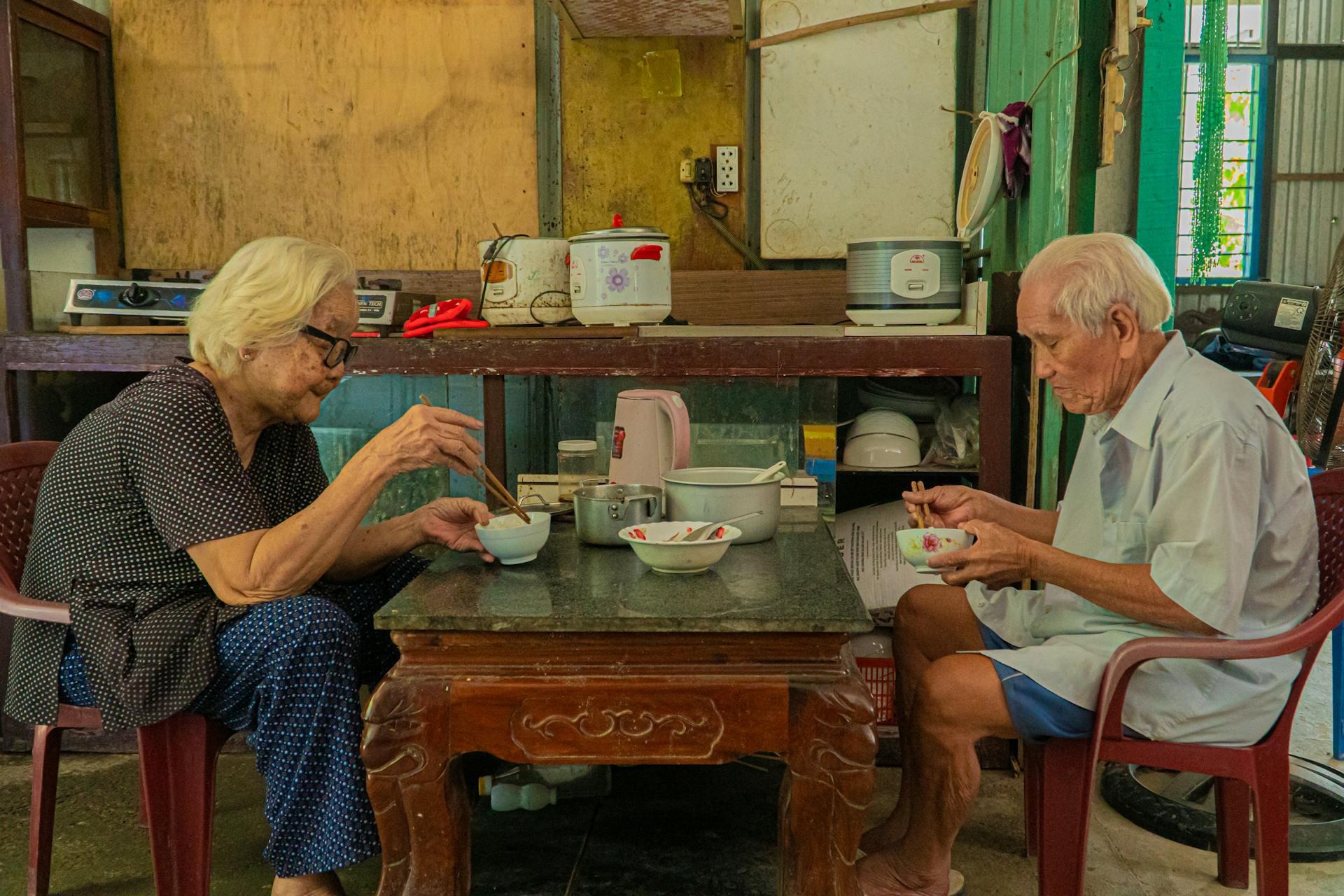
Growing older should never mean slowing down or giving up. Instead, aging challenges our routines and offers us the freedom to rethink the design of everyday life. The most satisfying later years are about making thoughtful adjustments that make daily routines feel easier, safer and more enjoyable. Comfort, safety and independence are practical priorities that can be supported today with smart design choices and intentional living.
A smoother day-to-day life means more energy for what matters most: relationships, hobbies and a sense of peace in your surroundings.
Comfort Starts with How We Move Through Our Day
The best thing about comfort is not necessarily soft blankets and furniture (though these things are also important!) but rather about how easily we navigate our routines. Things like getting dressed, cooking, or going outside should be second nature.
As one gets older, comfort is often found in eliminating needless effort. Wide, open spaces inside the house, well-lit areas, furniture that supports rather than challenges the body, all make a big difference. Chairs at the right height and with arm support, beds that are easy to get in and out of, and surfaces that are easy on the joints all help conserve energy during the day.
When the environment is working with your body, ordinary things are less obstacles, more routines you don’t notice.
Safety Without the Limitations
We sometimes confuse safety with being restrictive, but the best safety features are almost invisible. They are so seamlessly integrated into our daily lives that they reassure us without drawing attention to themselves.
Examples of safety choices that promote independence rather than limit it include non-slip flooring, grab bars that appear more like modern design elements and transitions between rooms that are free of steps. Good lighting also lowers the risk of missteps, and carefully positioning furniture prevents crowded or awkward navigation. When safety is built in, people walk freely and comfortably, without second-guessing every move.
Independence Is About Control and Choice
Feeling in control over daily life is one of the most important parts of aging well. It’s not about doing every thing yourself but about having choices and being able to participate fully in the decisions that shape your day.
Design has a strong role to play here. Flexible spaces, appliances that are easy to use and accessible storage allow people to stay active and independent for longer. Even small changes like lever-style door handles or seating at comfortable heights can support independent living.
Independence is also more than the physical environment. Walkable areas, community access and opportunities for social engagement are all part of a lifestyle that feels rich and connected.
Routines That Support Energy, Not Drain It
Daily habits may seem trivial, but they influence quality of life. A good routine honors natural energy levels and eliminates annoyances where it can.
You can make morning routines much easier with clear sightlines, clutter-free spaces and intuitive designs that don’t require extra mental work. Your afternoons will benefit from comfortable rest areas or quiet nooks, while the evenings should be calmer with an environment that encourages relaxation. The aim is to develop an environment that energizes rather than exhausts the routines.
Designing for Social Connection
Comfort and independence don’t exist in a vacuum. They thrive in connection. Meaningful social interaction is a huge component of emotional and mental wellness as we age.
Socializing should be organic, not forced, and spaces that support interaction (common areas that draw people together, comfortable seating for conversation, and spaces that are amenable to activity) should facilitate this. When spaces feel welcoming and accessible it’s easier to say yes to a visit, a shared meal or a spontaneous chat.
That’s part of the appeal of well-designed communities like TerraBella in Lake Norman, for many older adults who want to maintain their independence but have opportunities for social engagement with no fuss.
Flexibility for Changing Needs
Flexibility is one of the most intelligent design principles for aging well. Needs don’t change all at once, they change slowly. Environments that allow for adaptation prevent constant overhauls, or stressful transitions.
Open plans, flexible rooms and movable features make it easier to respond to future needs without sacrificing comfort today. A space that is functional now and in the future provides comfort and stability, both of which are incredibly important as we get older. Good design welcomes change, it does not fear it.
Technology as a Quiet Helper
You can use modern technology intentionally as a tool to help you age with dignity. From smart lighting to voice-assisted reminders, technology can make life easier.
The trick is to choose tools that make things easier and safer, not more difficult. Simple systems that make communication easier, give reminders for appointments or important events, or can provide emergency support are available to offer support when needed, increasing confidence and peace of mind in the individual and their loved ones. When technology is deliberately embedded, it fades into the background and people get on with living.
Creating a Sense of Home
It’s not just about function, but also about emotional comfort. Even the best designed daily life needs warmth, personality and joy.
Familiar routines, personal belongings and opportunities for expression are the best ways to find that joy. After all, people find comfort in being surrounded by things that remind them of who they are and what they love.
Conclusion
Designing daily life for comfort, safety and independence is about respecting experience. When the environment nurtures the body, routines respect energy, and spaces inspire connection, aging is not a matter to be managed but rather something to be lived to the fullest.
The most successful designs help people navigate every day with confidence, doing what they love, staying connected and feeling at home… in every sense of the word.