You finally decide to renovate your property. Maybe it’s an older family home with outdated flooring, cracked ceiling texture, or peeling paint hidden beneath years of touch-ups. The excitement builds quickly until someone casually asks, “Have you checked for asbestos or lead yet?” That single question changes everything.
Older homes and commercial buildings often contain hazardous materials that stay hidden until renovation work begins. Once walls are opened, tiles removed, or insulation disturbed, dangerous particles can spread into the air without warning. That’s why professional lead asbestos testing has become such an important first step before any demolition, remodeling, or restoration project begins.
Skipping testing may save time upfront, but it can create serious health risks and expensive cleanup problems later.
The Hidden Risks Inside Older Buildings
A surprising number of properties built before the late 1980s may still contain asbestos-containing materials or lead-based paint. These materials were once commonly used because they were durable, fire-resistant, and inexpensive. Now? They’re known health hazards.
Asbestos fibers can become airborne when damaged or disturbed. Once inhaled, they may lead to long-term respiratory problems and severe illnesses. Lead exposure carries its own dangers, especially for children and older adults. Even small amounts of lead dust can affect health over time.
The difficult part is that neither substance is always visible. A wall can look perfectly normal while hiding contamination underneath.
That’s exactly why professional lead asbestos testing is so important before repairs or remodeling begin.
Why DIY Guesswork Isn’t Safe
Some property owners assume they can identify hazardous materials themselves by appearance alone. Unfortunately, asbestos and lead rarely announce themselves clearly.
Old vinyl flooring, popcorn ceilings, insulation, drywall compounds, roofing materials, and paint layers may all contain hazardous substances. Without proper laboratory testing, it’s nearly impossible to know for certain.
Trying to remove suspicious materials without professional guidance can release dangerous particles into your living space. Suddenly, what started as a simple renovation turns into a contamination issue affecting your entire property.
Professional inspectors use specialized sampling methods and certified laboratory analysis to identify hazards accurately and safely.
When Should You Schedule Testing?
Many people wait until demolition begins before considering inspections. That’s usually too late.
Testing should happen before:
- Kitchen remodels
- Bathroom renovations
- Flooring replacement
- Roof repairs
- Water damage restoration
- Fire damage cleanup
- Wall demolition
- Property purchases
Even small repair jobs can disturb hidden contaminants. If your property was built decades ago, testing beforehand simply makes sense.
And honestly, it’s one of those things you never regret doing early.
Understanding the Process of Asbestos Removal and Testing
Professional asbestos removal and testing involves more than collecting samples. The process focuses on protecting both occupants and workers throughout the project.
Here’s how it typically works.
Property Inspection
Technicians inspect the structure carefully, identifying materials that may contain asbestos or lead. They often examine insulation, ceilings, flooring adhesives, drywall compounds, and painted surfaces.
Sample Collection
Small samples are safely collected and sent to certified laboratories for analysis. Proper handling is critical because disturbing materials carelessly may release hazardous particles.
Laboratory Testing
Certified labs determine whether hazardous substances are present and identify concentration levels.
Containment and Removal
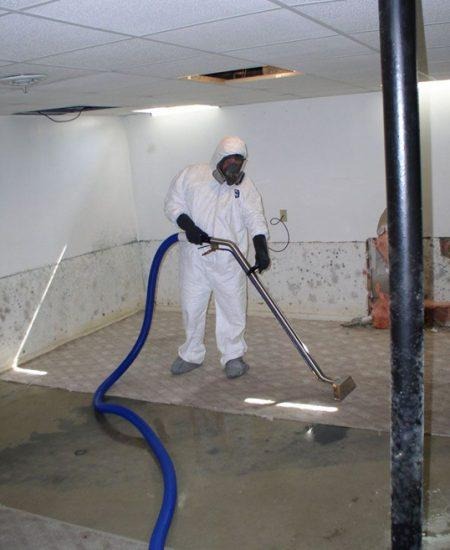
If contamination is confirmed, trained remediation professionals create controlled containment zones before removal begins. Specialized equipment and filtration systems help prevent airborne spread during cleanup.
Final Clearance
After removal, additional testing may confirm the area is safe before reconstruction or occupancy resumes.
This process protects both your property and the people inside it.
Why Professional Handling Makes a Difference
Lead and asbestos aren’t ordinary maintenance problems. Improper handling can create long-term exposure risks that affect air quality throughout the building.
Professional remediation teams follow strict safety procedures, including:
- Containment barriers
- Protective equipment
- Negative air pressure systems
- HEPA filtration
- Safe disposal methods
- Thorough decontamination practices
These steps help minimize exposure during cleanup and restoration.
Without proper containment, contaminated dust can travel through vents, settle into furniture, and remain inside the property long after work appears finished. That’s not something you want to take chances with.
How Moisture Damage Can Reveal Hidden Hazards
Water damage often exposes asbestos and lead unexpectedly. A leaking roof, burst pipe, or flood may damage older building materials and reveal contamination that previously stayed sealed behind walls or flooring.
This is especially common during restoration projects in aging homes and commercial spaces.
Professional restoration crews often recommend immediate testing before repairs continue because disturbed materials can quickly become hazardous when wet, broken, or deteriorating.
It’s one of those situations where a small hidden issue suddenly becomes a much bigger concern.
Protecting Your Family and Property Value
Health concerns are a major reason property owners invest in testing, but there’s another factor people sometimes overlook — property value.
Documented inspections and safe remediation provide reassurance for future buyers, tenants, and insurance providers. If contamination is discovered later during a sale or inspection, unresolved issues can delay transactions and increase repair costs dramatically.
Taking care of testing early shows responsibility and protects your investment long term. More importantly, it helps create a healthier environment for everyone living or working inside the space.
Conclusion
Renovation projects should bring excitement, not hidden health risks. Whether you’re remodeling an older home, repairing water damage, or preparing a property for sale, professional lead asbestos testing helps uncover dangerous materials before they become serious problems. Early inspections can prevent contamination, reduce costly surprises, and protect indoor air quality for your family or employees.
Professional asbestos removal and testing also ensures hazardous materials are handled safely, responsibly, and according to proper regulations. In the end, protecting your property starts with understanding what may already be hiding inside it.