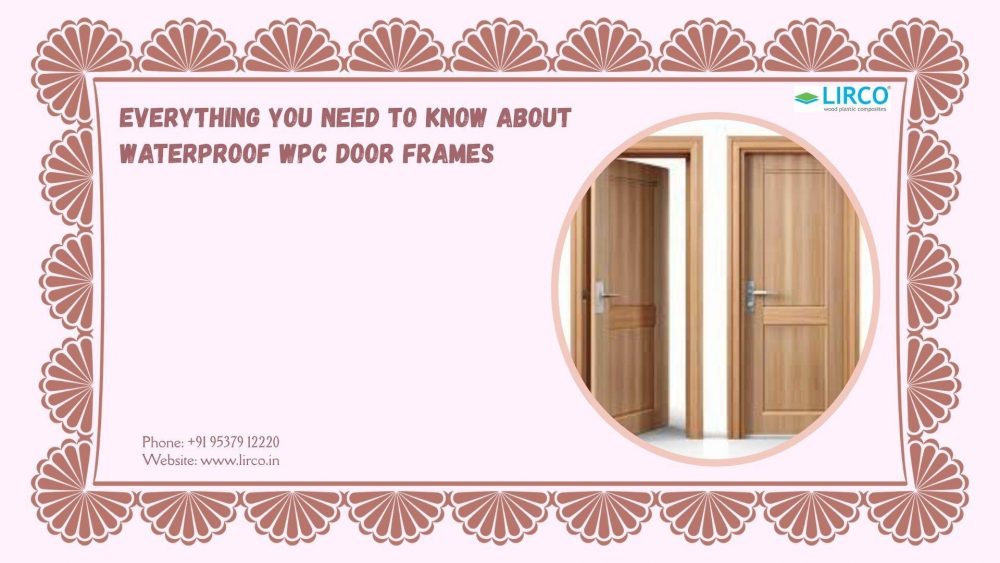
Wood-plastic composite—most people just call it WPC—is really catching on as a solid swap for timber, especially when you need something that looks good and won’t fall apart at the first sign of moisture. WPC door frames stand out because you get the nice wood look, but thanks to their unique mix of materials, they can handle water, termites, and general abuse without blinking. If you’re putting in a bathroom door, working in a beachside house, or need something tough for a busy hallway, it’s worth checking these out.
WPC door frames pretty much replaced timber in spots where looks matter but durability matters more. You get the charm of wood without the headaches — they shrug off moisture, pests, and daily abuse, all thanks to their blend of modern materials.
So, what exactly goes into a WPC door frame?
It’s pretty simple: manufacturers mix up wood fibers with thermoplastics like PVC, HDPE, or polypropylene. The result? You get a frame that looks like it should swell or warp in a damp space, but surprisingly, it won’t. Stick one in a humid bathroom or up against coastal weather—WPC handles it.
Why pick WPC over wood?
First, water isn’t an issue. WPC just doesn’t care if it gets soaked. It won’t swell, crack, or rot like normal wood. Maintenance is pretty much wipe and go—no endless sanding, painting, or sealing needed. You don’t have to worry about termites or fungus, either. They also give you lots of options for finishing—go with a realistic wood grain or a painted look, whatever fits your style. And honestly, using WPC is a little kinder to the planet since many brands use recycled material.
Where does WPC work best?
Think bathrooms, laundry rooms, or anywhere that tends to get damp. Coastal homes love it because salt and humidity are tough on wood. Busy areas—like hospitals, restaurants, or schools—also benefit from WPC’s toughness. They’re great for outside doors that get hammered by weather, too.
Picking a good WPC manufacturer
This step matters more than you think. Go for a company that’s upfront with all the numbers—water absorption, mechanical strength, and so on. Make sure they give you proper installation guides, clear warranty info, and options for different looks or sizes. If they have a track record with projects like yours, check their references.
Tips for installing WPC door frames
Get the basics right—make sure your wall is level and totally dry. Use stainless steel screws or something that won’t rust, or you’ll get ugly stains down the line. Leave a little space for the frame to expand or contract with temperature changes. Always seal any joints with the right silicone, especially in wet spaces or outdoors. Take your time with hardware placement so everything lines up—last-minute adjustments can end up damaging the frame.
Clearing up some WPC myths
- WPC looks fake or plasticky:- That was true years ago, but not now. The finishes feel and look way more like real wood.
- WPC isn’t as good as timber:- Actually, in places with lots of moisture or traffic, WPC usually lasts longer and stays looking good.
- You can’t recycle it:- Most WPC uses recycled stuff already, and many types can be recycled when you’re done with them.
Specifying WPC for your job
Lay out exactly what you need—don’t forget water resistance, finish, color, density, even what kind of screws or sealants to use. Always ask for full technical data and the install guides. And for outdoor or coastal projects, double-check you’re getting rust-proof fittings.
Conclusion:-
WPC door frames manufacturer blend the warmth of wood with the durability of modern materials. If you’re after frames that still look good after years of use—especially in problem spaces—these are worth it. Pick a reliable brand, install them by the book, and keep them clean. That’s all it takes.
In the end, WPC frames bring the warmth of wood and the muscle of modern materials. Pick a good manufacturer, nail the installation, keep them clean, and you’re set — door frames that look great and last.
Finding a solid manufacturer matters. Go with someone who shares the technical details: water absorption, durability, installation tips, warranty, and custom options. If they’ve handled similar projects, ask to see their work.