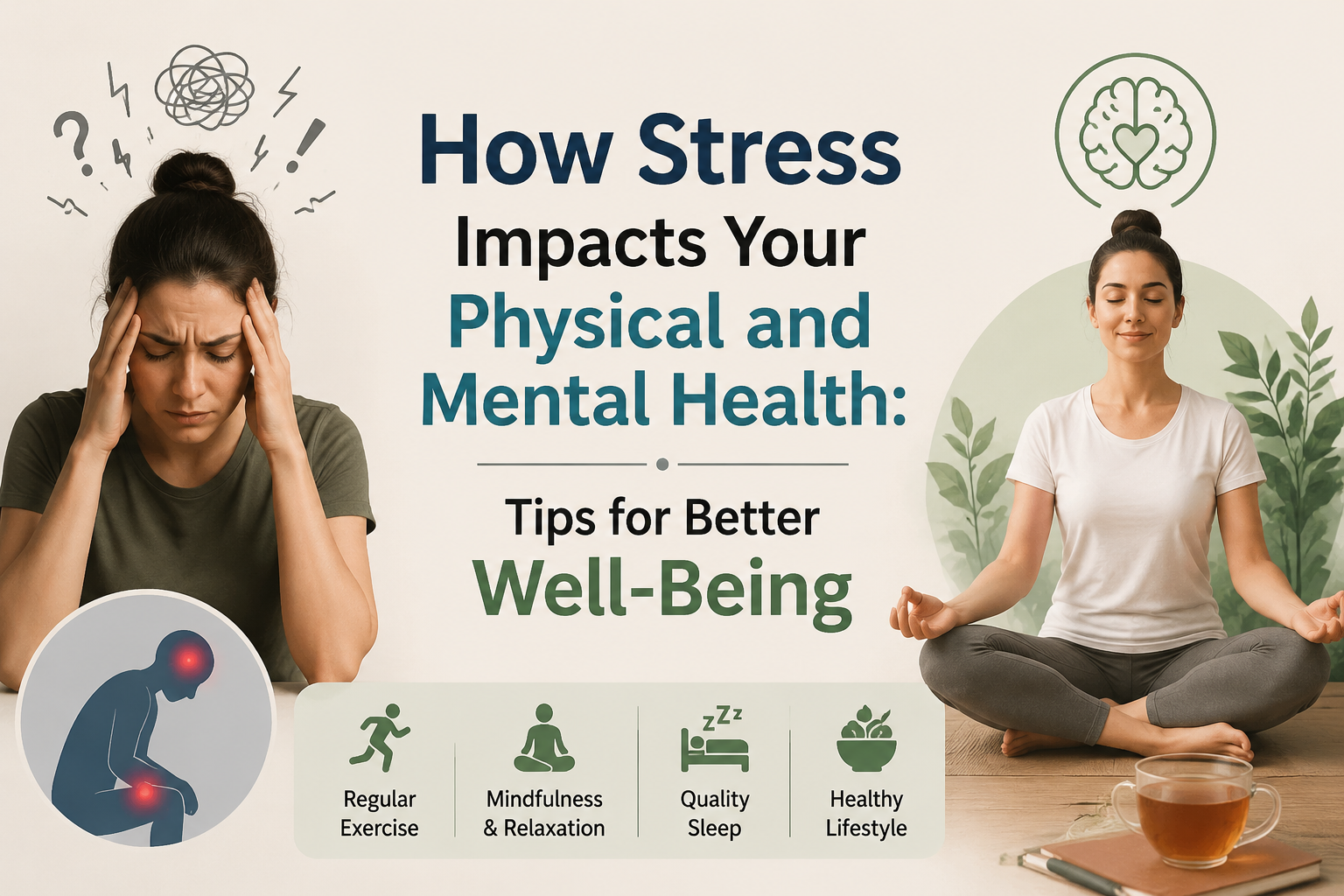
Pause and think for a second.
How many times have you said, “I’m just a little stressed” this week?
Once? Five times? Umm, so often that you’ve stopped counting?
If you’re like most people, stress has quietly become a regular guest in your life. It shows up when deadlines pile up, when your phone won’t stop buzzing, when responsibilities start stacking like unwashed dishes, and sometimes for no obvious reason at all.
The problem is that stress has become so common that many people treat it like background noise. Something that’s always there, so why pay attention to it?
But your body and mind pay attention. And over time, both start sending signals that something isn’t quite right. Are you receiving these signals? Here are some tips worth considering.
Stress Doesn’t Stay in Your Head
A lot of people think stress is purely emotional. It’s not.
- Your body reacts to stress as if something important is happening, even if you’re simply sitting at your desk staring at an email you don’t want to answer.
- Your heart beats faster.
- Your muscles tighten.
- Your breathing changes.
- Your nervous system shifts into action mode.
Now imagine this happening repeatedly. Not for an hour. Not for a day. But for weeks or months. Eventually, the body starts feeling the weight of carrying all that tension. It’s like leaving your car engine running all night. Sooner or later, something’s going to feel drained.
Your Sleep Is Usually the First Victim
Have you ever climbed into bed completely exhausted, only for your brain to suddenly become a podcast host?
- It starts replaying conversations.
- Creating imaginary scenarios.
- Reminding you of tasks you forgot.
- Planning tomorrow’s schedule.
Basically, it chooses the worst possible time to become productive. Stress often interferes with sleep because the mind struggles to switch off. And poor sleep creates even more stress, which then affects sleep again. It’s a cycle that can be surprisingly difficult to break.
Your Mood Starts Acting Differently
One overlooked effect of stress is how much it changes your emotional reactions. Normally, a slow internet connection is mildly annoying. Under stress, it can feel like a personal attack. The same thing happens with small inconveniences throughout the day.
People become more impatient. More reactive and easily frustrated. Sometimes they’re not angry at the situation itself. They’re simply carrying so much mental weight that even tiny problems feel heavier than they actually are.
The Body Keeps Score
Stress has a funny way of showing up in unexpected places. Like:
- A stiff neck
- Frequent headaches
- Jaw clenching
- Stomach issues
- Energy level at 0%
Random aches that seem to appear out of nowhere. Many people try treating the symptoms without realizing stress may be sitting quietly behind the scenes, pulling the strings. The body has its own way of saying, “Hey, we need to talk.” The trick is learning to listen before it starts shouting.
Stress Can Make You Feel Constantly “On”
One of the biggest challenges of modern life is that we’re rarely truly off-duty. Work follows us home. Notifications follow us everywhere. Even relaxation comes with a screen attached. As a result, many people stay in a state of constant alertness.
They’re always checking. Always responding. Always thinking about the next thing.
The nervous system never gets the memo that it’s safe to relax, and that’s where stress begins settling in for the long haul.
Sometimes the Solution Is Simpler Than You Think
When people hear “stress management,” they often imagine dramatic lifestyle changes.
Wake up early.
Meditate for an hour.
Move to the mountains.
Become a completely different person.
Try this: Take a walk without your phone and spend time with people who make you laugh, or listen to music you vibe on. Giving yourself permission to rest without feeling guilty about it.
Meditation can also help you. It may sound complicated to some, but it isn’t. Anchors like Karungali mala are also used while meditating due to the fact that it offers grounding energy. These things may seem small, but they help create breathing room in a life that often feels overcrowded.
Better Wellbeing Starts With Paying Attention
Most people don’t need another productivity hack. They need awareness:
- Awareness of when they’re overwhelmed.
- Awareness of how stress is affecting their habits.
- Awareness of what their mind and body have been trying to communicate all along.
Because the earlier you notice the signs, the easier it becomes to make meaningful changes.
Final Thoughts
Yes, stress can impact your mental and physical health, but dealing with it is possible too. It’s no rocket science and there’s no need to seek professional help at these early stages, just making some better lifestyle choices or incorporating wellness practices like wearing a Karungali bracelet can do the magic for you.
After all, looking after yourself isn’t a luxury. It’s one of the most important investments you can make in your overall health.