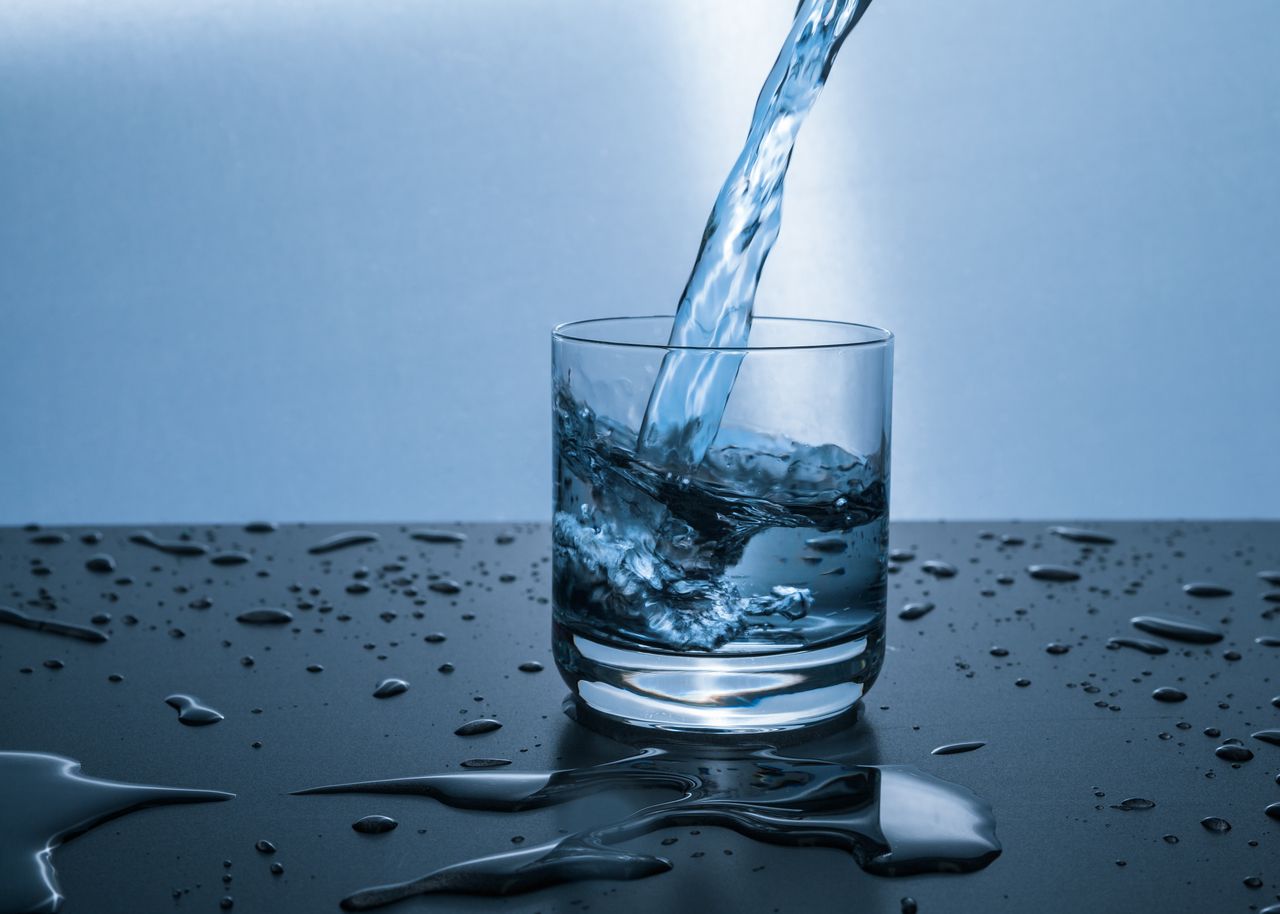
Water is essential to life, yet many homeowners find themselves hesitating before taking a sip from their tap. There’s something unsettling about water that doesn’t taste quite right, whether it’s a metallic tang, a chemical aftertaste, or something harder to pinpoint. When your water tastes strange or downright unpleasant, it’s more than just an inconvenience. It can signal underlying issues with your plumbing system or water supply that deserve attention.
Common Causes of Metallic or Bitter-Tasting Water
That distinctive metallic taste in your water usually means dissolved metals like iron, copper, zinc, or manganese have made their way into your supply. These metals often leach from corroding pipes, especially in older homes equipped with galvanized steel or copper plumbing systems. As pipes deteriorate over time, small amounts of these metals dissolve into the water flowing through them, creating that telltale metallic flavor. Iron is particularly notorious, it produces a rusty taste and leaves behind those reddish-brown stains you might notice in sinks and bathtubs.
The Chlorine Problem and Water Treatment Effects
Municipal water treatment facilities rely on chlorine as a disinfectant to kill harmful bacteria and pathogens, making your water safe to drink. However, this essential treatment process often leaves behind a distinct chemical taste and odor that many people find less than appealing. The intensity of that chlorine taste can vary significantly depending on the season, treatment plants often boost chlorine levels during warmer months when bacterial growth becomes more prevalent. While chlorine-treated water is perfectly safe to consume, the taste can be especially noticeable if you live close to a water treatment facility or if your municipality recently ramped up treatment intensity.
Bacteria, Algae, and Organic Compounds
A musty, earthy, or fishy taste in your water often points to organic compounds produced by algae, bacteria, or decaying vegetation in your water source. These biological contaminants produce chemicals with complicated names, geosmin and 2-methylisoborneol (MIB), which have incredibly low taste and odor thresholds. That means even tiny amounts can dramatically affect how your water tastes. Seasonal algae blooms in reservoirs and lakes are common culprits, particularly during warm summer months when conditions practically invite rapid algae growth.
Hard Water Minerals and Scale Deposits
Hard water contains high concentrations of dissolved minerals, primarily calcium and magnesium, which can create a chalky or slightly soapy taste on your palate. While hard water isn’t dangerous to consume, it can leave your mouth feeling oddly coated and definitely affects the flavor of beverages like coffee and tea. These minerals accumulate as scale deposits inside pipes, water heaters, and appliances, gradually reducing water flow and efficiency while potentially making taste issues even worse. The level of water hardness varies significantly by region, some areas deal with extremely hard water that causes substantial taste and plumbing problems.
Plumbing System Issues and Pipe Materials
The materials and condition of your home’s plumbing system play a crucial role in determining water taste and quality. Older homes may have galvanized steel pipes that corrode over time, steadily releasing zinc and iron into the water supply. Copper pipes, while generally more resistant to corrosion, can still impart a metallic taste if your water is acidic or if the pipes are relatively new and haven’t yet developed a protective patina. PVC and PEX plastic pipes tend to be more taste-neutral, though they can sometimes impart a plastic-like flavor, especially when new or if water sits stagnant in the lines for extended periods.
Practical Solutions to Improve Your Water Taste
Addressing water taste issues requires identifying the specific cause and implementing targeted solutions that actually work. For chlorine taste and odor, installing an activated carbon filter at your faucet or using a whole-house filtration system can effectively remove chlorine and organic compounds while improving overall taste. These filters work through a process called adsorption, essentially trapping contaminants in the porous carbon material. For metallic tastes caused by corroding pipes, you may need to consider re-piping sections of your home or installing a water softener to reduce corrosion by adjusting pH levels.
When to Seek Professional Help
While some water taste issues can be resolved with simple filtration solutions, others require professional diagnosis and intervention. If you notice sudden changes in water taste, particularly when accompanied by discoloration, cloudiness, or unusual odors, it’s definitely time to consult experts who can properly assess your situation. Professional water testing provides detailed analysis of contaminants, mineral content, pH levels, and bacterial presence, giving you concrete information about what’s actually affecting your water quality. Persistent metallic tastes may indicate serious corrosion issues in your plumbing system that could eventually lead to leaks and water damage if not addressed promptly. When diagnosing complex water quality problems, homeowners who need to identify underlying pipe corrosion or system failures often rely on plumbing services in Concord, NC to inspect pipes, water heaters, and entire plumbing systems to identify problems and recommend appropriate solutions. Qualified professionals can also properly size and install filtration systems to match your household’s specific needs and water chemistry, ensuring optimal performance and noticeable taste improvement.
Conclusion
Off-tasting water is more than just an annoyance, it’s often a signal that something in your plumbing system or water supply needs attention. By understanding the common causes, from dissolved metals and chlorine to bacteria and mineral deposits, you can take informed steps to restore your water’s quality and taste. Whether through simple filtration solutions, necessary plumbing repairs, or comprehensive system upgrades, addressing water taste issues improves not only your drinking experience but also protects your home’s plumbing infrastructure and your family’s health. Don’t ignore persistent water taste problems.