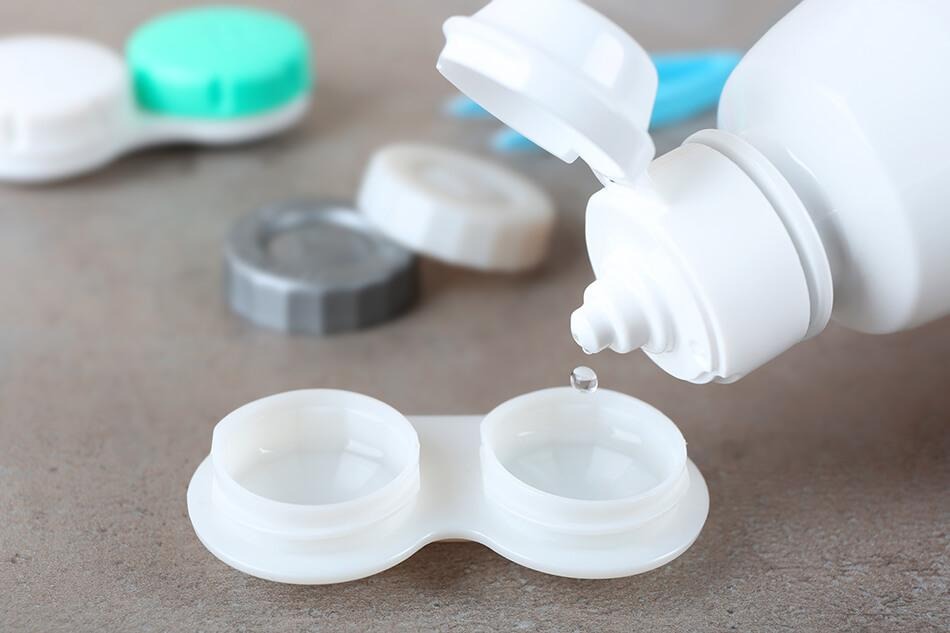
Contact lens solutions have become essential for maintaining safe and comfortable extended use of contact lenses while protecting user’s eye health. The rising demand for sophisticated lens maintenance systems results from this continuous increase in refractive disorders, together with prolonged digital device usage which results from modern lifestyle patterns.
According to industry statistics, over two billion people worldwide experience vision problems which creates an ongoing requirement for reliable lens cleaning products. The development of new contact lens solutions now enables customers to experience better product performance through improvements in formulation chemistry, packaging materials and distribution methods.
The market is shifting toward consumer preferences for convenient hygienic products that allow personalized experiences which match the current market trends of similar consumer goods industries.
Key Market Drivers:
Rising Prevalence of Vision Disorders
About 2.2 billion people worldwide experience vision problems which range from near-sightedness to distance-sightedness. The number of unrecognized and unpreventable vision problems reaches almost 1 billion. The unmet need for corrective solutions requires people to depend on those products which causes ongoing demand for contact lenses and their associated hygiene and comfort and eye health maintenance products.
Increasing Awareness of Eye Health
The proper care of lenses has become more understood by consumers because they receive educational materials and professional assistance which teaches them about disinfection and storage methods. The study examined more than 815,000 people from different countries but it showed that basic vision correction still remains inaccessible to many people who need it.
Latest Developments in Contact Lens Solutions
1. Multi-Functional Formulations
The latest cleaning systems have developed into complete systems which conduct cleaning operations and disinfect materials and perform rinsing procedures and store lenses. Multi-purpose products have become the most popular choice because they provide users with convenient and efficient solutions that especially benefit soft lens users who make up a large portion of the market.
2. Shift Toward Preservative-Free Systems
A major advancement is the rise of preservative-free and hydrogen peroxide-based solutions. The formulations achieve two goals because they decrease irritation while increasing their suitability for people with sensitive eyes and they maintain high levels of disinfecting power.
3. Bio-Inspired Hydration Technologies
The newest technological developments seek to create artificial tears which mirror the natural structure of human tears thus providing better comfort for users. The contact lens industry now uses hydrating agents together with biocompatible materials to create products that sustain moisture and prevent dryness for users who wear them throughout the day.
4. Compatibility with Advanced Lens Types
The development of specialty lenses which include orthokeratology and drug-delivery lenses has created a need for solution manufacturers to create specialized care products which enable advanced technological features.
Emerging Trends Influencing the Market
Digitalization and E-Commerce Expansion
The current distribution channel system experiences growing popularity because it delivers convenience to customers through its subscription service models. The new distribution system guarantees constant product availability which results in better customer engagement.
Sustainability and Packaging Innovation
Environmental requirements force companies to reduce their plastic packaging materials while they pursue the use of recyclable products. Manufacturers have started to modify their bottle production processes, together with their supply chain operations to reach their sustainability goals.
Personalization in Eye Care
The industry is moving toward custom eye care solutions that match specific visual needs and life patterns and different lens materials. The 94 million people who experience vision loss from cataracts create a need for specialized vision care systems which target specific conditions and drive requirements for more flexible and specialized eye health solutions.
Market Segmentation Insights
By Product Type
The present time sees multi-purpose solutions as the most common choice because of their ability to serve multiple functions.
The use of peroxide-based systems has become more common because they provide better disinfection results.
By Packaging Size
Mid-sized packaging typically suits customers based on budget and practical convenience for daily use.
By Distribution Channel
- Traditional retail channels are still influential.
- The presence of an increasing rate at which online is being adopted, especially when it comes to repeat purchases.
Challenges and Opportunities
Challenges
Improper usage leads to contamination risk.
Certain user groups face problems with their sensitivity.
The supply chain experiences limitations which affect essential ingredients.
Opportunities
The creation of advanced intelligent systems which use modern technology solutions
The company plans to expand its business operations into new markets which include emerging customer segments
The system now works together with digital health platforms so users can achieve better health outcomes through improved treatment adherence
Strategic Focus Areas for Stakeholders
- Product Innovation: Injections or implants can otherwise be ant buzzy and bio-driven.
- Consumer Education: It requires a better public understanding of proper lens cleaning methods.
- Sustainability: The organization needs to use sustainable materials through its packaging operations.
- Digital Expansion: The organization needs to improve its online business operations through better distribution methods and subscription services.
- Cross-Industry Learning: Leverage innovation patterns from adjacent markets
Future Outlook
The future of contact lens solutions will be defined by the convergence of biotechnology, digital health, and sustainability. The formulations will use bio-inspired and tear-mimicking technologies which will improve ocular compatibility and long-lasting comfort.
The smart care ecosystems which will connect to digital eye monitoring platforms, will enhance patient compliance and customized treatment. The demand for myopia treatment will grow as emerging markets expand their population base.
The industry will establish eco-friendly packaging and preservative-free systems as standard practices. The companies which combine innovative solutions with personalized services and environmentally friendly practices will guide the upcoming phase of industry development.
The contact lens solutions market has developed into an innovative market segment which operates within the larger vision care industry. The rising incidence of refractive errors together with the increasing digital eye strain and growing hygiene awareness drives the need for advanced lens care products.
As per Pristine Market Insights, the manufacturers create multi-functional products which do not use preservatives and contain hydrating components to improve user comfort and product safety.
The product delivery system and packaging methods of companies are undergoing changes because of sustainability initiatives and the growth of e-commerce. The market currently moves from traditional cleaning products to advanced eye health management systems which focus on consumer needs.
Author Bio:
Teja Kurane is a research analyst specializing in food and nutrition industry trends with a focus on emerging consumer health preferences. He provides in-depth insights into market developments and dietary innovations. With strong analytical expertise, he contributes well-researched perspectives on gluten-free bakery products and their growing global adoption in modern lifestyles.