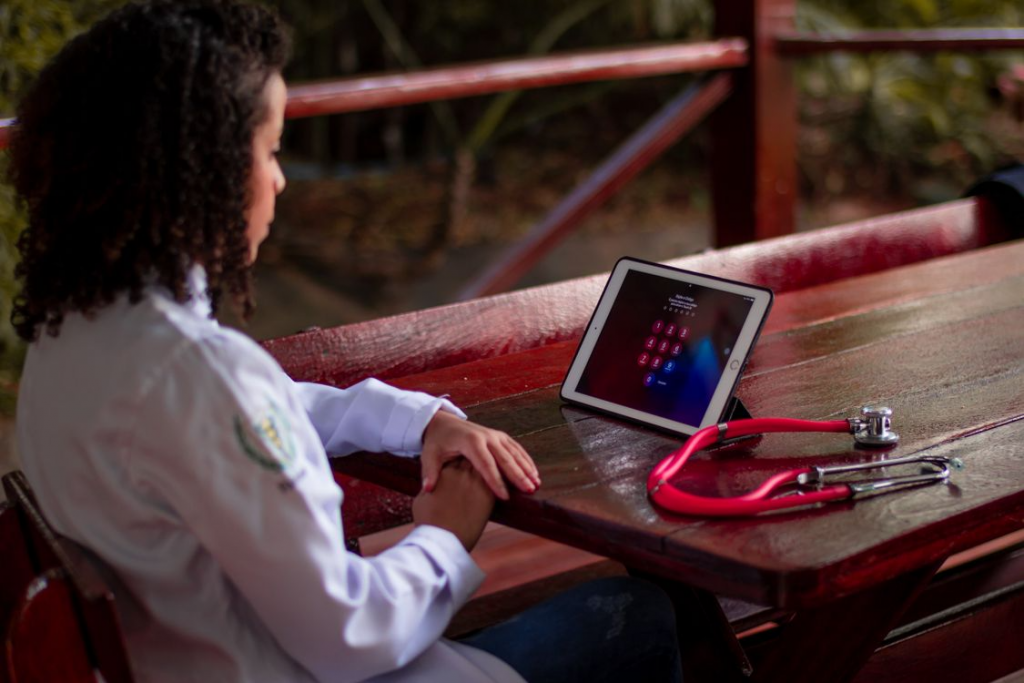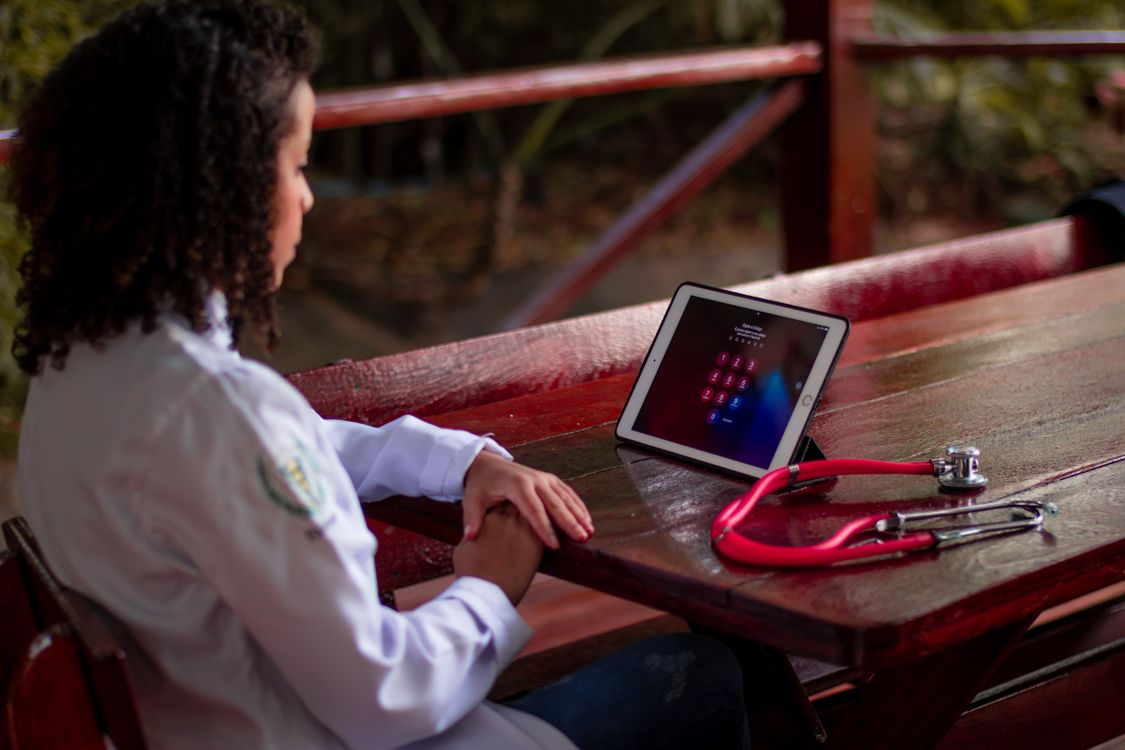
Telehealth has become a permanent part of modern healthcare delivery. What began as a convenience tool for remote consultations has evolved into a digital healthcare ecosystem that supports diagnosis, treatment, patient engagement, chronic disease management, and ongoing communication between providers and patients.
Healthcare organizations launching telehealth solutions in 2026 face a different challenge than they did just a few years ago. Patients now expect digital experiences that match the convenience of banking, e-commerce, and consumer applications. At the same time, providers must maintain strict security standards, comply with healthcare regulations, and integrate telehealth services into existing clinical workflows.
As a result, healthcare organizations often work with an experienced telehealth software development company to build platforms that combine strong user experiences with regulatory compliance and scalable infrastructure.
The success of a telehealth application depends heavily on its feature set. While every healthcare business has unique requirements, several capabilities have become essential for modern telehealth platforms.
Why feature selection matters
The majority of the healthcare facilities believe telehealth to be limited to video-based consultations. However, video consultations are actually just one aspect of the overall patient experience.
Patients anticipate having a seamless digital patient journey that will encompass appointment booking, access to/communication with their healthcare provider, prescription management, payment for services rendered, and post-procedure communication.
In addition to needing a seamless patient experience, healthcare facilities must have tools that enhance their operational effectiveness, and not create additional administrative workload.
If the correct features are selected at the outset, healthcare organizations can save themselves from expensive redesigns and ensure that their selected solution will support their clinical objectives as well as their business objectives.
Secure patient registration and profiles
All telehealth applications go through an onboarding process for each new patient so that they can continue to grow with the company.
The registration process must be fast and easy so that patients will want to register. Collecting data to provide the patient with healthcare services requires information such as demographic info, medical history, insurance information, consent forms, and how they would like to communicate with the provider.
Having a complete profile for each patient creates a foundation to deliver ongoing healthcare. In contrast, healthcare providers need to find pertinent health information quickly from a patient’s profile at the point of care, and patients need to have insight into their health records and history of care.
Furthermore, providing strong profile management for patients throughout the patient’s journey will ensure continuity of care by maintaining the availability of critical health-related data.
Appointment scheduling and calendar management
Easy online patient scheduling is one of the most important aspects of a successful telehealth platform.
Patients now expect to see available appointment times, choose their doctor, and schedule visits online. The ability for patients to do this over the internet greatly enhances patient experience while reducing the amount of administrative work undertaken by health care workers.
Scheduling software developed in recent years will typically have extensive functionality including: Calendar integration; reminders; waitlists and rescheduling.
By having these features in your organization, you will reduce missed appointments by patients and maximize the use of available resources.
High-quality video consultations
Most telehealth applications’ primary feature is video communication.
Healthcare providers require a high level of security, stability, and video quality to conduct clinical discussions. Patients want their consultations to occur as easily as they would in any other type of digital communications.
Current telehealth platforms typically include the ability to share screens, hold meetings with multiple participants, create consultation notes, and securely send and receive files at the time of appointment.
For this reason, performance is extremely important; poor video quality can lead to decreased patient satisfaction and clinical efficacy.
Secure messaging and communication
Healthcare doesn’t start and stop at the scheduled appointment times.
Many patients require communication between their appointments (eg. follow-up questions, medication concerns, or administrative requests). Messaging systems provide physicians and patients with a secure means of communicating without the need for unsecured e-mail or traditional telephone calls.
Messaging systems promote patient participation in their own care as well as help physicians manage their patient caseloads after the care has been delivered.
Secure communication enhances healthcare organizations’ ability to reduce unnecessary office visits and improve patient satisfaction with the overall visit experience.
Electronic health record access
Having access to information about patients is a necessary part of delivering healthcare in an efficient manner.
Many of the newer telehealth systems include connections to EHR’s (Electronic Health Record) and EMR’s (Electronic Medical Record) systems. As a result, providers will now be able to review the patient’s record, including previous visits, lab results, treatment plans, etc., when they are having the virtual visit with the patient.
Integration of the records also helps to reduce duplicate entries and improves overall clinical decision-making.
Patients benefit from the ability to have a transparent view of their record via the app allowing them to access certain parts of their medical records.
E-prescriptions and medication management
Since prescription management is now commonly expected in telehealth services, after the consultation is complete providers should have the ability to electronically write and send prescriptions using secure systems. The use of electronic prescriptions will minimize delays and make it easier for patient to receive their medications.
Other medication management features may include prescription history records, refill request submissions, rating reminders, and adherence tracking.
For patients with chronic medical conditions, the ability to use these features has been shown to lead to improved treatment success and an enhanced continuity of care.
Payment processing and billing
Financial transactions are a key component of the telehealth experience.
Patients are looking for transparency when it comes to pricing, convenience when paying, and ease when receiving their bills.
Most telehealth applications have incorporated payment systems and insurance verifications into the telehealth application.
Patients will now have the ability to complete their payments with their telehealth application, before or after their consult.
Providers will benefit from simplified billing processes which will reduce the amount of administrative work they do and speed up the amount of time it takes to receive payments.
Remote patient monitoring
Remote patient monitoring is rapidly growing within telehealth.
Connected devices can measure data, including blood pressure, heart rate, blood glucose, oxygen saturation, and activity level. Telehealth platforms aggregate this data for healthcare providers and allow for continual visibility into a patient’s health.
Remote patient monitoring offers significant value for providers when managing chronic diseases and monitoring patients’ health after treatment.
By monitoring patients continuously instead of just at periodic appointments, providers can determine when intervention is necessary and take appropriate action.
AI-powered support tools
Healthcare organizations are experiencing a significant shift towards the use of artificial intelligence (AI) within their telehealth systems. AI is now being utilized in a variety of ways by healthcare organizations including automating administrative tasks (including clinical documentation), providing clinical documentation support (such as for triage), and improving operational efficiencies.
AI chat assistants will assist patients with many common inquiries, assist in onboarding patients to a new facility, and supply appointment-related information.
Analytics platforms can analyze patient behavioral patterns to assist providers in prioritizing care for patients.
Although AI is continuing to advance, its focus to date has been as an enabling tool that improves the quality of clinical workflow but does not replace practitioners.
Notifications and patient engagement features
Engagement by patients is still the most difficult challenge facing healthcare.
Numerous patients miss their appointments, forget to take their medication, and/or do not complete their assigned treatment. Engagement might increase through use of telehealth applications in which patients receive personalized notification/ reminder materials.
Appointment notifications, medication reminders, follow-up instructions, and educational materials support continued engagement with patients and thus improve healthcare and increase retention of patients.
There is often improved health outcome with continued engagement with healthcare.
Analytics and reporting
Healthcare organizations rely on data more than ever before in order to improve quality of service and operational performance.
Analytics dashboards provide visibility to appointment volume, satisfaction of patients, use of platforms, adherence to treatment, and productivity of providers.
These insights allow for improvement, and the ability to make more informed business decisions.
As telehealth continues to grow, analytics are not only opportunities for improving health care, but will also be a necessity in most instances.
Security and compliance functionality
Telehealth platforms cannot be successful if they do not possess adequate levels of security controls.
Healthcare applications deal with very private patient details, which must also adhere to a number of laws such as HIPAA (in the United States) and GDPR (in Europe).
General security features may include end-to-end encryption, multi-factor authentication, audit logs, role-based access control and secure storage of data.
Compliance requirements affect nearly all areas of the architecture of telehealth, making security one of the key factors to consider when developing these applications.
Interoperability with healthcare systems
Very few Health care Organizations will typically use just one software platform to operate their business. Most new Tele health solutions will interface with EHR, Laboratory, Pharmacy, Insurance and Hospital Management systems to provide seamless services and improve internal administrative friction through report generation and tracking ability. Interoperability also facilitates greater Information exchange, reduces administrative friction. The need for established Standards (HL7, FHIR, etc.) has become more valuable as they help facilitate communication between differing types of Health care systems and ensure improved data integrity across disparate systems. Organizations that focus on Interoperability earlier typically see a stronger scalability over the longer term.
Final thoughts
To create an effective telehealth application by the end of 2026, there is more to consider than just providing video consultations. A new healthcare solution includes secure communications, patient engagement, clinical workflows, remote monitoring, payment processing, and compatibility with existing healthcare services. In addition to offering robust features; however, organizations must build systems that adhere to required compliance, security, and scalable requirements before they can launch their products.
Telehealth solutions are most successful when they implement a combination of both technology and a patient-centric design. This ultimately results in a more streamlined approach to delivering care (i.e., simplified delivery of care), more efficient operations (i.e., improved operational efficiencies), and increased satisfaction for both patients and their providers.