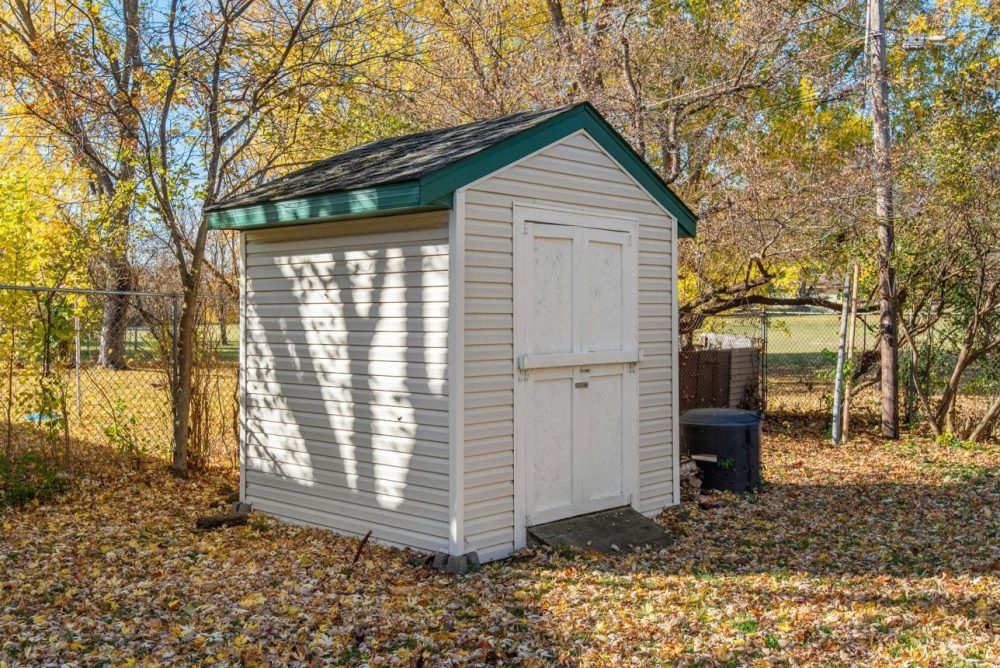
Outdoor areas can turn into storage rooms for nobody if not planned correctly. Near fences, garden tools, bicycles on the patio, and lawn equipment filling up valuable driveway space. This mess creates disorganization over time and can make daily functions more difficult.
With the right outdoor storage ideas, you can maximize the space you have and keep your belongings safe from the elements and harm. It’s not always necessary to have a large shed or a significant renovation. A good metal storage shed combined with wall-mounted racks and storage benches and cabinets can make a huge difference.
Whether you have a small garden or a sprawling backyard, or a hectic outdoor workspace, here are some practical backyard storage solutions to help keep your property organized.
Outdoor Storage Plan to Determine What You Need to Store
Decide the items you want to store before selecting storage units. It can be a waste of space and investment to purchase a large building without knowing what you need.
Start by categorizing items into groups:
- Garden equipment: Shovels, rakes, pruning shears, watering cans and hoses.
- Lawn tools: Lawn mowers, leaf blowers, trimmers and pressure washers.
- Outdoor furniture: Cushions, folding chairs, umbrellas and removable furniture covers.
- Sporty products: Bicycles, sport equipment, accessories for pools and children’s games.
- Seasonal supplies: Holiday decorations, empty planters and seasonal gardening equipment.
Be sure to measure large items before choosing a storage unit. Provide their handles and attachments, and space to move them in and out. Think about future storage requirements, but don’t pick a building to store more than is needed.
The University of Florida’s IFAS Extension suggests that one make a list of what they plan to keep in their shed and then determine a shed size and location to suit the purpose and use of the shed. The accompanying booklet, Storing Your Tools, provides further information on why clean and dry is important for garden tools.
Select a Metal Storage Shed for Larger Equipment
If you have large items that need to be stored in a secure location, a metal storage shed can be a good choice. It can be used to help organize lawn equipment, garden products, bicycles, and outdoor tools in a single place.
A shed is a larger storage unit, which means you can add shelves, racks, and other storage areas. You can also pick a size and format according to the equipment you have on hand.
Designate & Create Separate Zones Within the Interior
Partition the shed by the way you use your items. For instance, store equipment for mowing the lawn near the door so you can easily reach it. Avoid using hand ties, as these will become loose over time. Avoid using hand ties for large items; use wall hooks instead, and use shelves for small items. Store seasonal items in labelled boxes on top shelves.
Allow ample open floor space for larger equipment to be moved without having to move multiple items each time you need something.
Take Into Account Ventilation & Moisture Protection
While a shed should keep belongings dry and out of the rain, it should not contain moisture. Condensation, mildew, and corrosion can be caused by poor airflow.
Before storing items, search for appropriate ventilation openings and ensure that stored items remain dry. A flat, raised subfloor can also be used to stop water from seeping in through the floor.
A metal shed needs to be built on a solid surface that is appropriate for the weather, soil, and dimensions of the shed. Install according to the manufacturer’s instructions and use proper anchoring to prevent movement.
Save Ground Space with Vertical Storage
If you need more space, consider your walls and fences. One of the easiest outdoor storage solutions is vertical storage, as it utilizes space that you might not be using.
Frequently used items can be stored on wall-mounted racks, hooks, and shelves to keep them organized and out of the way.
Consider these options:
- Mount shovel, rake, and broom racks
- Keep garden hoses from getting tangled by using hose reels
- Provide sturdy hooks for folding chairs and light equipment
- Install shelves in a shed to store gloves, small gardening tools, and other items
- Mount bicycles on the wall with wall-mounting racks that will bear the weight of the bicycle
Heavier objects should be stored at the bottom and lighter objects at the top. Use materials that are rated for outdoor use and tighten all fixings. When hanging racks on a fence, make sure the fence can hold the weight.
4. Add Storage Benches and Deck Boxes to Patios
In the patio, decks, and other places that require frequent access but not a full shed may be found items that need this space. Small items like cushions, outdoor toys, gardening gloves, and accessories can fill in space easily. Storage benches and deck boxes are a great option. They offer seating and help to store smaller items out of view.
Select Appropriate Materials for Outdoor Use:
There are plenty of common uses for resin and weatherproof plastic boxes. Wooden benches fit into natural garden designs and powder-coated metal benches fit into modern outdoor designs.
Look for drainage capabilities, weather resistance, interior space, and lid design before purchase. Just because a box is water resistant, it doesn’t mean it is completely waterproof. Keep delicate fabrics and electrical goods in an appropriate protective container.
The best use of these backyard storage solutions is near the items they will be storing. For instance, place furniture cushions by the seating area and pool accessories by the pool.
5. Design an Outdoor Equipment Room
Outdoor equipment placed in various locations around the property is difficult to locate and maintain. A provision of its own outdoor equipment storage space can resolve the problem.
It will be dependent on the size and type of equipment.
Properly Store Lawn Mowers and Power Tools:
Space is needed to safely access lawn mowers, trimmers, and leaf blowers. Store on a stable, dry surface and do not stack items on top of them.
Frequently clean the tools and, as per the manufacturer’s guidelines, follow maintenance procedures before long-term storage. Determine if fuel must be drained or treated, and if batteries should be removed and stored out of the fuel system.
The University of Florida’s IFAS Extension also suggests preplanning power equipment for extended storage, such as assessing the condition and taking necessary maintenance and fuel preparation measures.
Be Sure to Organize Bicycles & Sporting Goods:
Items such as bicycles, scooters, balls, and more can take up more room than you would think. Keep them together on wall racks, floor stands, or special racks. If you have valuable bicycles or power tools, a lockable storage area may be more appropriate than an open-sided structure. An Outdoor equipment storage plan makes it easy to get to and from the equipment and decreases the risk of damage.
6. Utilize Small and Unused Areas
Not all properties will have space for a standard-size shed. Useful storage can be achieved on side yards, back yards, behind garages, and in narrow spaces along the fence. A narrow outdoor cabinet can be used to store gardening equipment, cleaning supplies, and small accessories.
A narrow rack can be used to line up long-handled tools, and a lean-to storage can be built up against an appropriate wall. Also, deeded spaces are available for storage if dry, accessible, and pest-free. Install appropriate enclosures or weather-proof containers, as necessary.
Never obstruct drainage, air-conditioning units, utility access, or walkways. Be sure to confirm the local rules and property regulations prior to installation of a permanent structure. They are ideal for those without a spacious backyard who want to store things in their yard while still leaving the lawn and patio open.
7. Label Containers for Small Items
It is very easy to get the most obvious clutter from the smallest of the items. It can be hard to find gloves, labels, screws, watering tools and hand tools when they are grouped together.
Shelving and labeled containers make for a simple organization system. Label or separate items by purpose in clear or labeled bins. For instance, store pruning tools in one bag, and irrigation tools in another. Store frequently used items at an easy-to-reach height.
Transparent containers can also be used to determine what’s inside without opening them. Just be sure that the containers are formulated to suit the conditions in which they will be kept.
Store potting soil and fertilizer bags out of the reach of moisture. Keep garden chemicals out of the way and use them according to the instructions on the label.
8. Enable Enhanced Security Through Improved Features
Belongings should be kept out of the weather and more. Storage outdoors should be protected from the elements and beyond. Other items that can be stolen are tools, bicycles, and power equipment.
Select storage units that have well-fitting doors, appropriate locks, and sturdy construction. If the equipment is of high value, it may be worthwhile to install another lock box or storage cage within the main shed.
The Garden Security Guide provided by The Royal Horticultural Society suggests strong locks on all shed doors, window security, and secure storage of valuable garden items in sturdy outbuildings. Also, it recommends tagging important items to distinguish them in the event of theft.
Motion-activated lighting around storage areas and keeping access gates closed for greater security. Check your home insurance policy too. Items in gardens and outbuildings may be covered differently to items inside the home.
9. Follow Safe Storage Practices for Garden Supplies
Fertilizers, pesticides, fuel-related products, and other items that require special care are often stored in garden sheds. These should not be kept at random with household belongings.
The U.S. Environmental Protection Agency (EPA) suggests that pesticides be stored in their labeled containers and locked up in a well-ventilated storage area away from children and pets. It also recommends that they be separated from food, animal feed, and medicine. Follow label directions and local safety instructions.
Store chemicals in an area away from toys, pet supplies, and gardening equipment. Keep flammable liquids away from any equipment that generates heat, such as grills, and move them away from any ignition source. The aim of good outdoor equipment storage should be to make it easy to access without creating any safety concerns.
10. Maintain Your Outdoor Storage Area Throughout the Year
Even well-planned storage can become cluttered without regular maintenance. Set aside time every few months to check the condition of your storage units and the belongings inside them.
- Use this easy routine.
- Remove anything broken, damaged, or unused.
- Check doors, locks, hinges, and roof panels for wear.
- Remove leaves and debris from around the structure.
- Look for water pooling or running at the bottom.
- Clean tools before storing.
- Check containers for leaks, damage, or expired supplies.
- Reorganize your seasonal belongings as your needs change.
- For a metal storage shed, inspect the protective coating for corrosion, especially at joints, fasteners, and areas where water pools. Quickly deal with small problems to help preserve structure.
For a metal storage shed, inspect the protective finish and look for signs of corrosion, especially around joints, fasteners, and areas where water may collect. Address minor issues early to help maintain the structure.
The Final Takeaway
So, a clean property starts with a storage plan that matches your belongings. It should also match your belongings and available space so that the structure can fit your routine. Add wall-mounted racks if you want to make more space, as you can store many items there. Install a dedicated metal storage shed to protect equipment. This is how, with thoughtful planning and regular maintenance, you can enjoy the outdoor storage area effectively.