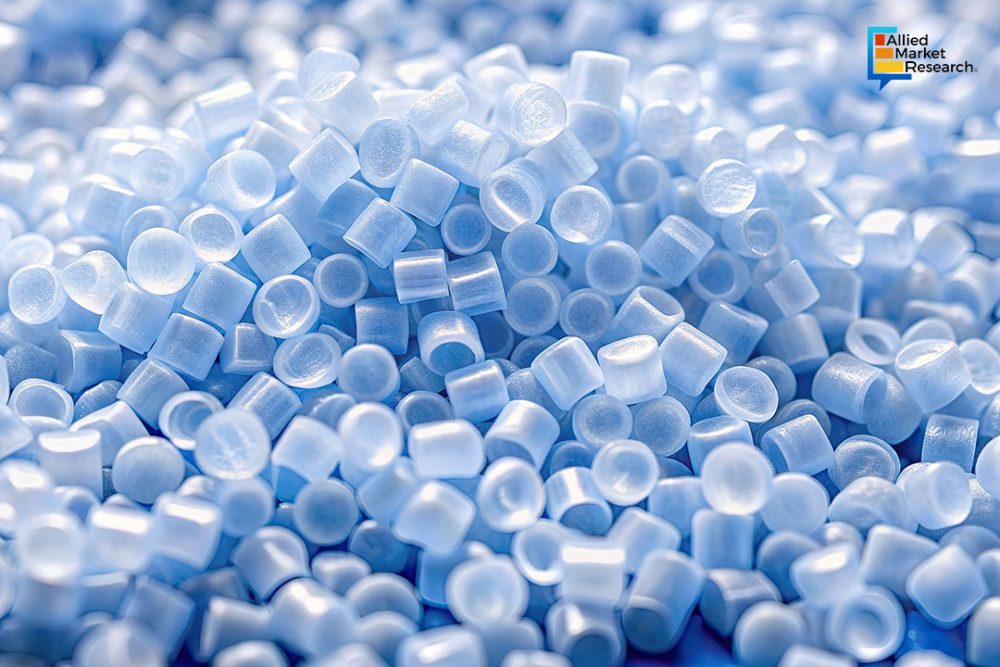
Polyamide is a type of polymer linked by amide bonds. It is available in both synthetic and natural forms. It is popular among users as it can withstand heavy loads without breaking. This makes it suitable for different applications across the engineering sector. In addition, it is resistant to oil, fuel, and chemicals, which increases its usage in harsh environments.
Polyamide exhibits excellent thermal stability, hence it is also used across the automotive and electronics sectors. Nylon is a commonly used synthetic polyamide by end users. Wool and silk are natural polyamides, which are popular among end users. Further, polyamide is flexible in processing, and hence is used to make films, fibers, and molded parts. It is also lightweight when compared to metals. This increases its potential for usage across different industries.
Regional insights
Asia-Pacific holds a major share of the polyamide sector. This is attributed to demand from the automotive, textile, and electronics industries across the region. Europe witnesses growth due to focus on environmental regulations and sustainability. The North America region is expected to experience growth. This is due to presence of advanced manufacturing industries and strong demand from the automotive and aerospace sectors across the region. LAMEA is anticipated to witness moderate growth owing to surge in demand from the textile and packaging industries.
Factors impacting the demand for polyamides
Polyamide is used for engine cover, fuel systems, and other applications across the automotive sector. This is owing to its strength and lightweight. Thus, increase in demand from the automotive industry drives the growth of the polyamide sector. Further, developments across the textile industry also fuel the growth of the sector. Polyamide fibers are used in clothing, sportswear, and carpets because of their durability and comfort. This increases the demand for polyamides.
However, fluctuation in raw material prices limits the growth of the sector. Also, polyamides tend to absorb water. This limits their use in applications where moisture resistance is important. Moreover, polyamides are not biodegradable. This leads to concerns about plastic waste and environmental pollution. This also deters the growth of the polyamide industry.
Development of bio-based polyamides is one of the major lucrative opportunities for the sector. Bio-based polyamides are produced from renewable resources and thus offer a sustainable alternative to conventional polyamides. Further, polyamides are used in electric vehicle components such as battery housings and electrical systems. Therefore, the increase in adoption of electric vehicles leads to a surge in demand for polyamides across industries. This is projected to be opportunistic for the growth of the polyamide industry landscape in the upcoming years.
Impact of Artificial intelligence
Artificial intelligence helps improve efficiency of the processes involved in the production of polyamides. It also helps reduce costs and enhance product quality. AI is used in material design. This helps improve strength and heat resistance. It is also used to identify defects. It is used to optimize processing conditions. It also helps reduce waste. This helps increase the efficiency of the production of polyamides. Moreover, artificial intelligence helps analyze alternative raw materials to develop eco-friendly polyamides, which helps reduce energy consumption and decrease emissions.
Role of polyamide in modern industrial sectors
Polyamides are used to manufacture engine components, fuel lines, and structural parts in the automotive industry. This is attributed to their lightweight nature, which helps improve fuel efficiency and reduce emissions. They are also used to manufacture clothing, carpets, and others across the textile industry. For instance, Radici Group launched Radifloor Solid in November 2018. This is a polyamide in 112 color shades for carpet tiles and fitted carpet. In addition, they are used as insulating materials in wires, cables, connectors, and circuit boards in the electrical and electronics sector. Further, polyamides are also used in food packaging films, kitchen utensils, and surgical instruments. This boosts the growth of the polyamide sector across industries.
Current shifts in the polyamide landscape
Shift towards sustainability has seen a major change in the polyamide industry. Companies are focusing on developing bio-based and recyclable polyamides to reduce environmental impact. This trend is driven by increasing regulations and consumer awareness. In addition, the development of high-performance polyamides is also gaining attention. These materials offer improved heat resistance, strength, and chemical stability. This makes them suitable for advanced engineering applications. Moreover, usage of advanced processing techniques enable the production of complex and precise polyamide components. This fosters the growth of the polyamide industry landscape.
Summary
Polyamide is a versatile material used across different industry verticals. It exhibits high strength and is durable and flexible, which increases its usage across different industries. Continuous research and development in polyamides is anticipated to improve its performance and expand its applications in the upcoming years. Thus, the industry landscape is poised to experience growth in the future.
Short Description
Polyamide is an important material widely used in various industries due to its strength, durability, and versatility. Its applications range from automotive and textiles to electronics and packaging. The material continues to play a key role in modern manufacturing and product development. The polyamide market is driven by strong demand from major industries such as automotive, textiles, and electronics. However, challenges such as raw material price fluctuations, moisture absorption, and environmental concerns need to be addressed.