In today’s business world, speed, accuracy, and customer experience are key factors in success and are increasingly competitive. Even if you are operating a business online, in-store or on several outlets, order management is an important process that needs to be streamlined in order to satisfy your customers. Inaccuracies, backordering, and manual data entry can all result in missed sales, frustrated customers, and wasted resources.
It’s difficult to deal with orders when businesses grow. Companies require solutions that boost workflow efficiency, cut down on the errors and give instant visibility of the entire order process. This is where digital order management solutions come in handy. Businesses can enhance productivity while providing a more streamlined purchasing experience for their customers by automating repetitive tasks and consolidating information.
What is an Order Management System?
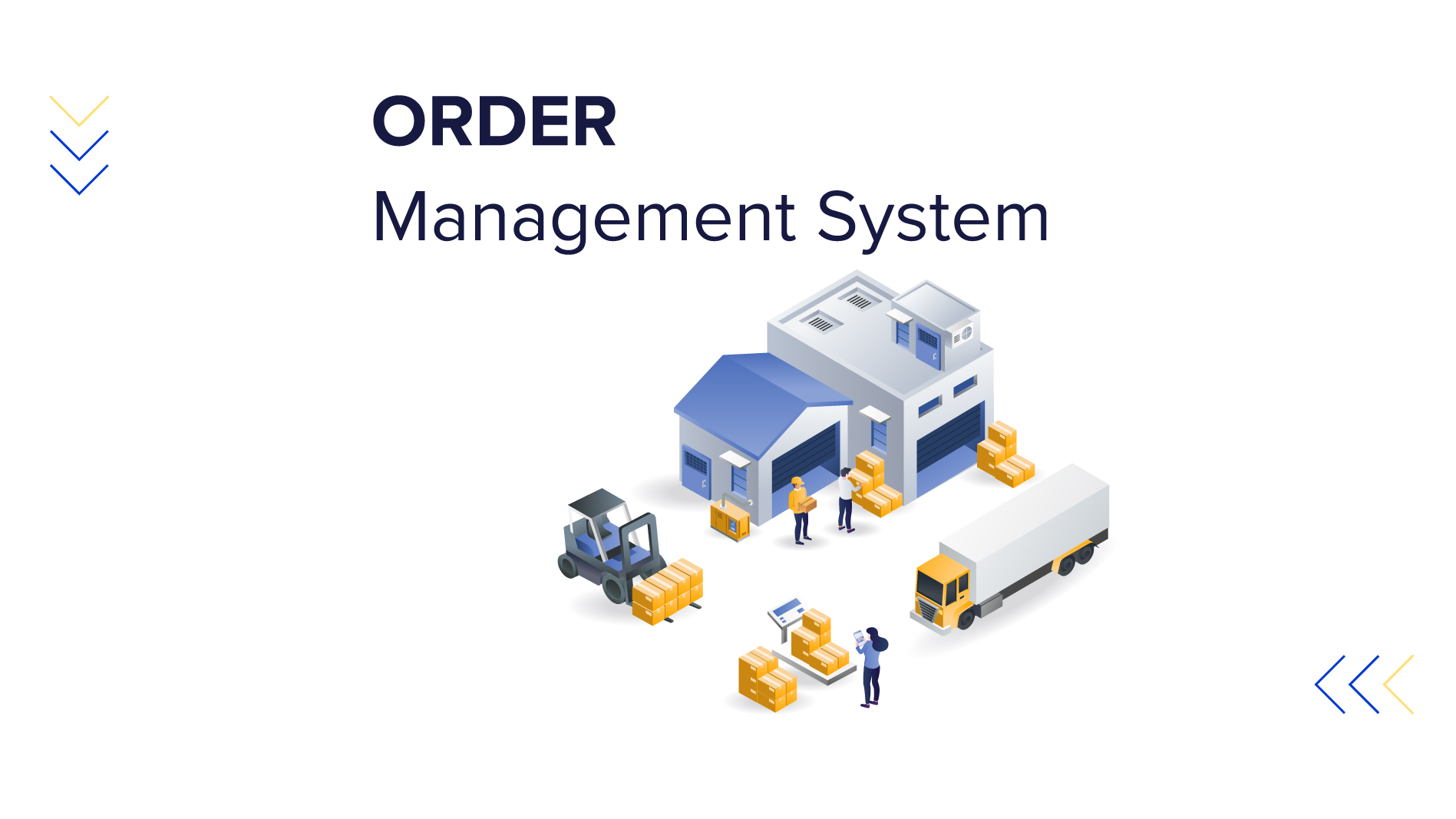
An order management system (OMS) is a system that enables a business to monitor and handle customer orders from the time they are recorded until they are delivered. It links various steps of the sales cycle, such as inventory management, payment processing, shipping, and customer communications.
Rather than using spreadsheets, or fragmentary software, businesses can maintain all order-related activities in one resource. This will make it more accurate and ensure everyone is up to date.
Today, these order management systems are also compatible with eCommerce systems, point-of-sale systems, warehouses, and shipping companies. This makes it easy for companies to accept orders more quickly and minimizes the chances of human error.
Why Businesses Need Order Management Software
Many companies sell goods across various outlets, including website, online marketplaces, stores, and social media. It can be a daunting task to handle orders through all these channels manually.
Order management software provides businesses with the automation of repetitive tasks, inventory synchronization, and the ability to process orders efficiently, no matter where they come from.
Automation minimizes the amount of time staff members need to take to input data, update inventory, and arrange logistics. This not only increases the efficiency of operations, but also enables employees to devote their time to serving customers and enhancing the business.
Order tracking also increases transparency because it is real time. Companies can track each part of the fulfillment procedure, determine bottlenecks, and also fix issues prior to they impact the client.
A few key benefits of an Order Management System include the following:
Improved Order Accuracy
Manual order processing is prone to human error like wrong quantities, duplicate orders, and shipping errors. Automated systems help to mitigate these risks by automating data entry and validating data as it is entered.
An accurate order fulfillment improves customer satisfaction and return and correction expenses.
Better Inventory Management
A good order management system ensures that stock is always kept in check on all sales channels. By providing real-time stock visibility, businesses can prevent over-sales, stockouts, and waste of inventory.
Having the right inventory info also helps with sound purchasing choices, and helps improve the entire supply chain efficiency.
Faster Order Processing
Every step of the order lifecycle is automated and quick. Orders are received, verified, processed and sent for order fulfillment without much manual effort.
The quick turnaround can result in better customer satisfaction, their faster purchasing and hence increased loyalty.
Enhanced Customer Experience
Customers want “up-to-date” information regarding orders. Order Management Systems send automated notifications about orders, delivery status and delivery progress.
Good communication increases trust and decreases customer enquiries, enabling support staff to resolve more complicated issues.
Support Multi Channel Retail Operations
Nowadays consumers purchase their items from various platforms. They can check out products on a company’s website, buy from an online marketplace or opt for home delivery or in-store pickup.
These interactions have to be controlled and there has to be a centralized inventory and order fulfillment control. Order management systems bring together data from all the sales channels so that it is more efficient and consistent.
Customers’ behavior is now better understood by businesses, and they ensure that the inventory matches customers’ needs in all channels. This helps to minimize delivery times and enhance the overall shopping journey.
Multi-channel integration is also the ability to access new markets without significantly increasing administration.
This automation can help boost business productivity.This automation can help to increase the productivity of the business.
One of the best features of modern order management solutions is automation. You can automate your everyday tasks like invoice generation, shipping label creation, updating inventory and notifying customers.
This helps to minimise repetitive tasks and the risk of man error. Staff members will have more time to focus on strategic projects, customer engagement and business development.
Automated workflows enhance consistency as well. All orders are processed in a consistent manner, and no matter how large the order or the sales channel, it will be processed in a reliable manner.
The more a business expands, the greater the value in automation becomes to keep the business running efficiently and without having to hire a lot more people.
Data & Analytics: In support of better decision making
An order management system produces important information that can assist companies learn about their business and pinpoint areas for improvement.
Managers can track order quantity, sales history, inventory turnover, delivery times and customer buying habits. This information aids in decision-making and can assist in making optimizations to business performance.
With analytics, businesses can also better predict demand, avoiding overstocking while keeping customers’ preferred goods in their inventory.
Performance report data can reveal issues in the fulfillment process, helping businesses streamline their operations and boost customer satisfaction.
When organisations use the data effectively, they can make decisions in advance that will contribute to long-term growth and profitability.
Selecting an Order Management Solution to provide for the right order
Choosing a system is a process of consideration of business needs and future plans. Some of the considerations companies should make include ease of use, integration options, scalability, reporting capabilities, and customer support.
The solution needs to be flexible enough to be integrated into the existing software, such as accounting systems, eCommerce platforms, warehouse management software, and shipping providers. Seamless integration minimizes implementation issues and optimizes operational efficiency.
This is also critical for scalability. When a business grows, then its order management system should be able to manage more orders without affecting performance.
Long-term success also depends on the availability of technical support and regular software updates, which ensure the system is secure and adaptable to changing business needs.
The future of order management is here.Order management is in the future
Artificial Intelligence (AI), automation, and predictive analytics are driving the continuous evolution of order management. These systems can predict demand, optimize inventory distribution, and detect potential fulfillment challenges before they arise, thanks to AI.
Advanced machine learning algorithms optimize order routing, identifying the most cost-effective fulfillment centers for stock availability, shipping expenses, and customer location.
Cloud-based platforms offer businesses more flexibility, allowing them to access them remotely, collaborate in real-time, and be automatically updated. These solutions can help in increasingly complex retail operations and lower infrastructure costs.
With consumer expectations constantly rising, companies that adopt intelligent order management solutions can better provide personalized, faster and more reliable customer experiences.
Conclusion
Order management plays a crucial role in a business’s performance and consumer service, so they need to be efficient. Modern order management systems not only streamline inventory management and enhance data accuracy but also offer real-time insights into the fulfillment process, minimizing errors and optimizing operations.
The future of commerce is rapidly shifting and those who invest in streamlined order management will be able to better serve their customers’ needs, ensure sustainable growth and stay competitive in a rapidly changing environment.