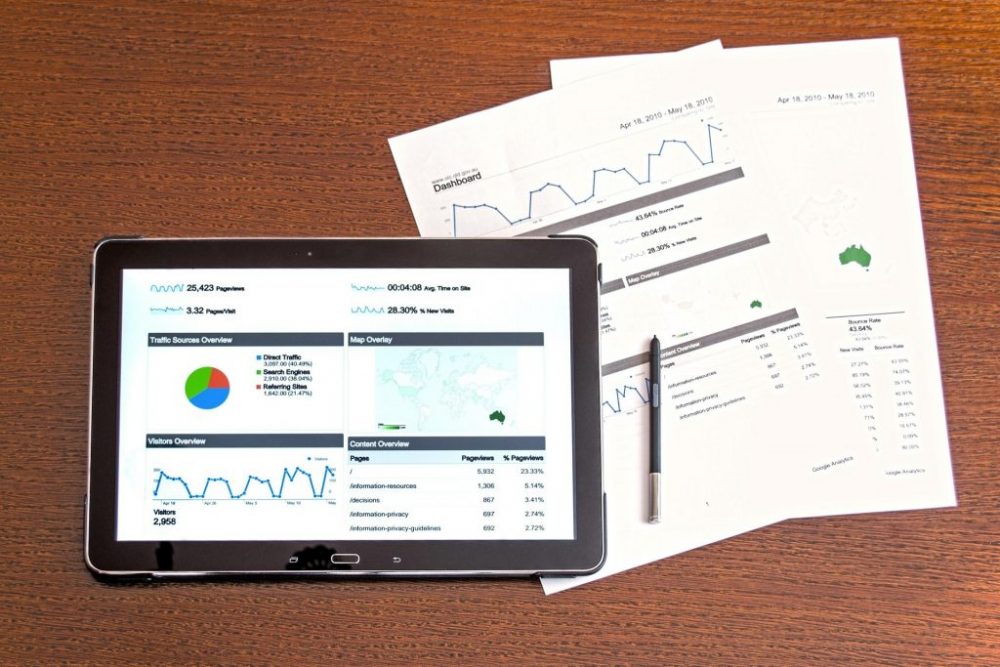
Marketers receive a never-ending flow of data every second from websites, social media, email campaigns, paid advertising, customers and online sales. This data is useful and valuable for understanding target audiences, but it can also be overwhelming when everything is scattered across platforms. A unified marketing dashboard provides marketing teams with a single view to assess performance, spot trends, and analyze insights.
Odoo business intelligence dashboard Bringing critical business and marketing data together in one visual reporting environment in the form of an Odoo business intelligence dashboard can be useful to any sized company. Secondly, Odoo dashboards pricing should be considered as you start to look at how the dashboards’ functionality can meet reporting needs at a price your business is willing to pay.
Understanding Odoo Business Intelligence Dashboards
Odoo Business Intelligence Dashboard helps your business visualize business information and performance metrics. Instead of looking at thousands of rows of data and emphasizing the figures, marketing teams can create dashboards to see highlights in percentages, numbers, and sales. The data visualizations such as pie charts, gauges, and bar charts make it easier for teams to understand data at a glance.
Dashboards can be used for web activity, customer acquisition, sales, campaigns, leads and conversions in digital marketing. When you combine that information with other Odoo business apps, the marketer will have insight into what the marketing efforts do to the rest of the company, not just the campaign data.
Why Digital Marketing Needs Centralized Reporting
Various sources of data in digital marketing The various digital marketing channels are search engines, social media, email, paid ads, websites and content marketing. Each of the digital marketing channels produces different types of data which can make it difficult to get a clear overall picture of marketing metrics. A reported tool can help make this process easier.
A dashboard within Odoo enables a business to link marketing data to sales and customer data. For instance, marketers would be able to compare the number of leads that marketing campaigns attracted versus the number of opportunities that resulted. This would offer more context on marketing efforts while telling the business whether the extra traffic or exposure is resulting in real activity.
Odoo Dashboards Pricing & How Businesses Need to Think About It
Other Factors that influence Odoo dashboards pricing In addition to the dashboards feature, other aspects need to be considered when estimating the total budget. Those can include the number of users, use cases, implementation, customization, hosting, applications being used, etc. It is, however, difficult to provide a fixed number of pricing for each company and each reporting demand.
Know what you want from the dashboard. You should have clear results to achieve from this before proceeding. A small business may simply require access to sales and marketing reporting, whereas a much bigger eCommerce portal might require extensive reporting, dashboards and customisable metrics, along with integrations and an ability to scale. This knowledge can help you more easily assess the value of the investment.
Using Dashboards to Monitor Marketing Performance
Improved visibility in dashboards One of the benefits of marketing dashboards is that teams can view data on campaign performance across time without the need to aggregate information from various locations.
Odoo Business Intelligence dashboard For marketers, Business Intelligence (BI) allows easy access to information like leads, sales activity, revenue metrics, customer acquisition, and campaign statistics. By providing this type of data in one location, it enables marketing teams to see the overall performance of the business and take a more comprehensive view of the return on investment.
Connecting Marketing Data With Sales Results
A business shouldn’t measure marketing performance just based on clicks, impressions, or even visits to your website. You need to see what happens after a prospect interacts with the campaign. Linking marketing information with sales data makes the entire customer journey easier to see.
Odoo’s business application suite can help your business link customer, sales, and marketing data, and a dashboard may help paint a clearer picture of how leads translate into sales. Marketing teams can see what activities align with new sales and profit, and sales teams can have a better picture of the opportunities coming in.
Improving Customer Insights Through Business Intelligence
Customer data is another such key resource for digital marketing teams. By analyzing customer preferences and behaviors, organizations can target campaigns more effectively and engage better with their customers at each stage of the buying cycle. Business intelligence dashboards can help to visualise this information on a single platform.
Odoo Business Intelligence Dashboard A BI dashboard can analyze customer activity, purchasing behavior, interactions, and sales history if the required data resides inside of the Odoo environment. This can inform a business about customer trends and tell what needs to be changed in marketing, ultimately leading to a more data-driven customer approach.
Customizing Odoo Dashboards for Marketing Teams
Different groups need different data. A traffic-generating content marketing team will be concerned with traffic and engagement; an eCommerce marketing team may be concerned with conversions, revenue, new customers, and product performance. Custom dashboards can show whatever data is relevant to the individual and their role.
Dashboards can also be more user-friendly since teams won’t have to sort through irrelevant reports. Managers can build views with high-level reporting in mind, and marketing experts can build views that contain more detail. This flexibility helps dashboard reporting become more feasible when business needs evolve.
How Dashboards Support Data-Driven Marketing Decisions
Enhanced visibility – Better presentation of marketing data allows marketers to spend more time analyzing the results and less time asking for information. A report in a dashboard format can show the difference between performance over time more easily than looking at individual spreadsheets and reports.
Such as: A marketer can then compare campaign performance across various time frames, analyze sales performance or research changes in lead generation. These insights become input for future planning. The dashboard is not a substitute for a marketing plan, but it does represent a more data-driven approach to planning.
Evaluating Odoo Dashboards for Your Business
Prior to using a dashboard tool, your business needs to assess reports difficulties, marketing objectivities, available data sources, usage users, and customization needs. Check the costs of Odoo dashboards as well as functionality to make an appropriate investment plan.
Another thing for companies to think about is if the information they need for their report is already in their Odoo app or if their software needs to be integrated with others and customized to give them the information they need. Deciding the setup of the dashboard is another important step.
Business Intelligence and its Role in Future Digital Marketing
As a result, the data created through digital marketing is sure to keep on piling up, and effective reporting will become more crucial to companies regardless of their size. With an Odoo BI dashboard, you can have a single space to see all the data of your marketing, customers, sales, and operations.
With this analysis combined with a thorough check of Odoo dashboards prices, you can evaluate how your organization should use dashboard features within your wider reporting and technological solutions. By bringing all data together, instead of working with fragmented sources, organizations will be able to enhance transparency and gain insight into customer behaviour.