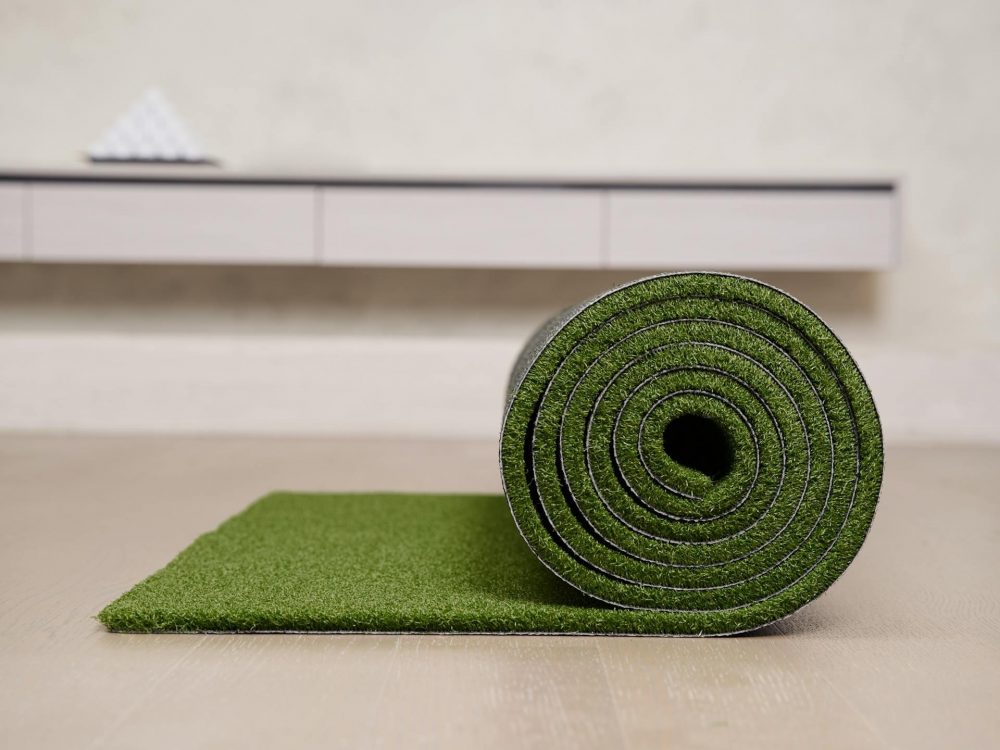
Artificial turf has evolved a great deal since the stiff, bright green carpets that used to dominate sports fields and outdoor venues. Today’s modern turf systems are sophisticated, highly engineered solutions that mimic the look, feel and performance of natural grass—while solving many of its long-standing limitations. Artificial turf is no longer a convenience for homeowners, businesses and recreational facilities. It’s a technological innovation that continues to advance in impressive ways.
A Brief Evolution: From Basic to Brilliant
The initial artificial turf was extremely primitive in design and operation. They were not normally soft, not draining, not durable and not fit for anything but the most primitive use. Fast forward to today and the change is remarkable. Contemporary turf systems are the result of decades of progress in materials science, environmental engineering and user-centered design.
Now manufacturers study everything from the structure of grass blades to soil composition to create turf that behaves like the real thing. It’s not just about looks. It’s about performance. Whether you’re looking for a backyard putting green, a pet-friendly lawn or a high-traffic commercial installation, today’s turf is designed with a specific use case in mind. This level of customization is one of the biggest leaps forward in the industry.
The Science of Turf Fibers
One of the most impressive features of modern artificial turf is fiber technology. The blades you see are made from advanced polymers, which are selected for their durability, resistance to UV and their softness. Some fibers are formed in specific shapes (like C-shaped or diamond-shaped strands) to improve the turf’s resilience and to prevent it from flattening over time, even after heavy use.
Color blending also adds another touch of realism. Modern turf has several shades and layers of thatch that look like the brown, dried grass of real lawns. With this attention to detail, it is getting harder and harder to distinguish artificial turf from natural grass.
Infill Systems: The Hidden Workhorse
The infill, which is underneath, is one of the most important parts of artificial turf. This layer lies between the fibers and is important for performance, comfort and durability. The infill material can be very variable, from silica sand and rubber granules to more advanced organic blends of cork or coconut fibers. Each type has its own purpose. For example, rubber infill provides cushion and shock absorption and is suitable for sports applications. Organic infills are often selected for residential application however because they are eco friendly and retain less heat.
Infill also helps keep the turf blades standing up, stops shifting and improves drainage. It’s a key element that turns synthetic fibers into a working, high-performance surface.
Advanced Drainage and Base Engineering
One of the biggest issues with natural grass is water management. Mud, pooling and erosion are common problems that require constant attention. This problem has been overcome by modern artificial turf with sophisticated drainage systems integrated into the design. The turf backing is perforated to allow water to pass through quickly, while the base layer is made from materials such as crushed stone or gravel to allow for quick drainage. In fact, in many circumstances artificial turf can be better at moving water than natural soil.
This technology is especially useful in areas of heavy rainfall or frequent irrigation. It reduces downtime, prevents damage and allows the surface to be used under a wide range of conditions.
Heat Management and Environmental Innovation
One of the biggest complaints about artificial turf is that it holds heat, but there are some smart solutions being worked on to combat that. Modern turf products are engineered with cooling technology, including reflective pigments that reduce heat absorption. Some systems also include moisture-activated cooling infill to mitigate surface temperature.
Turf development is focusing more and more on sustainability in addition to controlling temperatures. Many manufacturers are now incorporating recycled materials into their products. They’re developing systems that use less water and don’t need chemical fertilizers or pesticides.
These innovations are making artificial turf an appealing option for property owners looking to reduce their carbon footprint while still maintaining a pleasing aesthetic.
Tailored Solutions for Different Applications
Not all artificial turf is made equal… and that’s by design. Today’s systems are highly specialized and different configurations are designed for different uses.
For example, sports fields require turf that can withstand a lot of physical activity while also providing shock absorption and traction. Pet turf is designed to stand up to wear and tear, control odors and be easy to clean. Home lawns are supposed to be soft and look nice. Golf greens are supposed to be precise and have a good ball roll. This sort of customization is exemplified by companies such as Celebrity Greens which provides installations customized to consider everything from local climate conditions to the way the space will actually be used. This custom approach ensures that every installation delivers the best performance and lifespan possible.
Installation Techniques That Make a Difference
Artificial turf technology involves not only the materials but also how they are installed. Proper installation is important for the system to work as it should and last for years.
This typically includes site preparation, base building, laying turf, applying infill and finishing off with seam sealing and edge fixing. Every step requires precision and skill.
Modern installation techniques also aim for stability and durability. Special adhesives and fasteners keep the turf in place even under the most demanding conditions, and advanced seaming techniques produce seams that are almost invisible.
The Future of Artificial Turf Technology
With improving technology, the potential for artificial turf also improves. Researchers and manufacturers are looking into new materials and sustainable options to lower the environmental impact even more.
The improvement of turf systems is also gaining momentum. Consider surfaces that can record their use, know when they need maintenance, or even change their properties with the weather. These innovations are in their infancy but they do show an exciting future for the industry.
Conclusion
Modern artificial turf is a highly engineered system that is a superior outdoor surface. Every detail is intentionally designed, from the hi-tech fiber construction, to the adjustable infill, to efficient drainage and green components.
These innovations offer an attractive combination of aesthetics, durability and convenience to both home and business owners. And the best part is that artificial turf will only become even more sustainable and versatile.