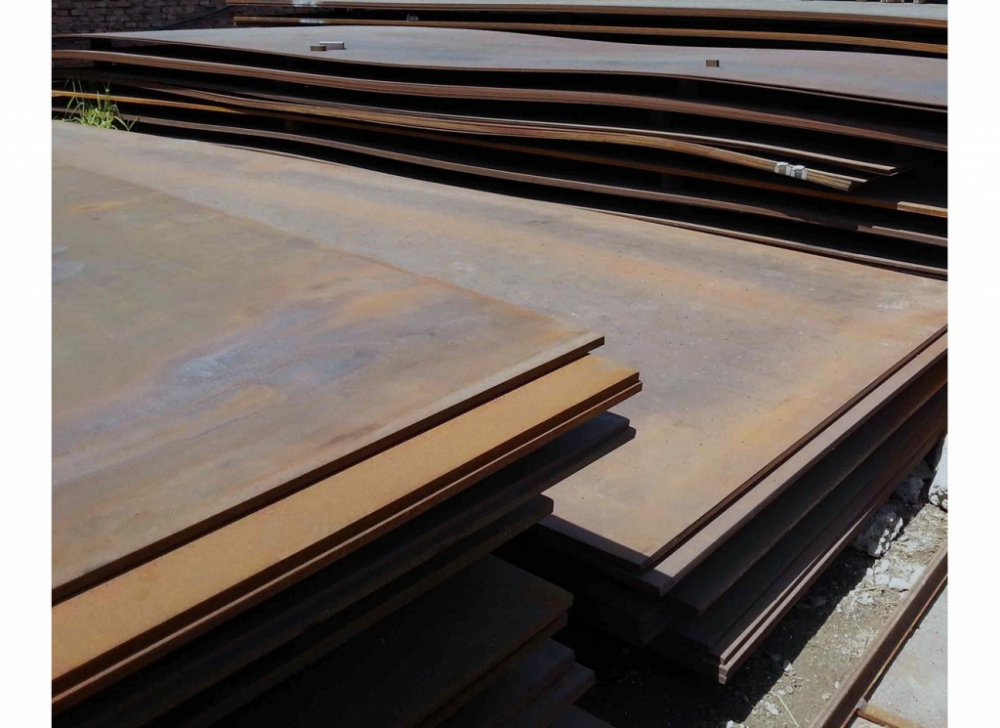
Mining machinery grinds through rock, ore and material that wears away normal steel in weeks of constant operation. Manganese steel plates withstand that wear by hardening under the very impact that erodes other materials. That’s why wear resistant manganese plates are used to line the parts that get the most abuse during digging and breaking. In this post we’ll discuss what manganese steel plates are, their qualities, where they’re used in mining equipment, and what to look for when selecting plates for a wear application.
What Are Manganese Steel Plates?
Manganese steel plates, also known as Hadfield steel after the metallurgist who invented this alloy in 1882, it contain 11 to 14% manganese and 1.0 to 1.4% carbon, resulting in an austenitic structure that resists fracture from impact. Unlike most of the steels, this alloy work-hardens as repeated impact increases the surface hardness from around 200 HB as-cast to 500-600 HB in service, while the core remains tough. Manganese steel is ideally adapted to mining circumstances, including abrasion and impact, due to its self-hardening surface and shock-absorbing core.
Key Properties of Manganese Steel Plates
Major properties define where manganese steel plates perform best and are defined briefly in the following points.
Exceptional Wear Resistance
As manganese steel plates take repeated impact from rock and ore, the surface work-hardens from around 200 HB as-cast to 500-600 HB in service, building a wear-resistant layer exactly where abrasion concentrates. The plate gets tougher in the zones that need it most, without any additional heat treatment after installation.
High Impact Strength
Hadfield steel’s austenitic structure absorbs shock loads that would crack martensitic wear plates, with impact toughness staying high even after the surface work-hardens. In crusher applications, where boulders strike liner plates directly, this toughness stops the plate from fracturing under loads that would chip harder, more brittle alternatives.
Work-Hardening Capability
The work-hardening response isn’t a one-time surface treatment it continues through the plate’s service life, with the hardened layer deepening as wear progresses and exposes fresh material to impact. This extends usable plate life well beyond what a fixed-hardness plate would achieve under the same conditions.
Excellent Toughness
Manganese steel plates hold elongation values around 35-40% even as surface hardness climbs into the 500-600 HB range, a combination hardened tool steels and white iron can’t match. That toughness lets the plate flex slightly under impact rather than cracking, which matters where shock loading is constant.
Long Service Life
Manganese steel plates extend replacement schedules by combining a work-hardened surface with a tough core that resists through-cracking. Fewer liner change-outs mean less downtime per shift and lower labour cost per tonne processed.
Role of Manganese Steel Plates in Mining Equipment
Four equipment categories account for most manganese steel plate use in mining operations.
Crusher Systems
Jaw crusher cheek plates and swing jaws, cone crusher mantles and concave liners, and impact crusher blow bars and breaker plates all see direct contact with feed material at the point of size reduction. These plates work-harden under the crushing action itself, building wear resistance fastest where impact frequency is highest.
Excavation Equipment
Bucket liners on excavators and loaders, digging tooth adapters, and earthmoving components that contact abrasive ground face constant scraping and impact from rock and soil. Manganese steel plates bolted or welded onto these wear zones absorb that contact, protecting the structural steel underneath.
Material Handling Systems
Conveyor wear plates under loading points, chute linings that redirect material flow, and transfer point plates where material drops between conveyors all face concentrated impact and abrasion at one location. Manganese steel in these spots outlasts mild steel by a wide margin under the same tonnage.
Screening Equipment
Screen plates and high-impact screening components separate material by size while taking repeated impact from oversized particles bouncing across the surface. Manganese steel’s impact resistance keeps these plates intact through vibration and particle strikes that would fatigue-crack a more brittle plate within months.
Advantages of Using High Manganese Steel Plates in Mining
High manganese steel plates combine abrasion resistance with impact resistance in one material, avoiding the trade-off where harder plates crack and tougher plates wear faster. Reduced wear means fewer shutdowns for liner replacement, and the labour and downtime saved across a mine’s crushers, chutes, and screens adds up over a year of operation. Plates that work-harden in service regenerate their wear-resistant layer as the surface wears.
Hadfield Steel Plates in Mining Applications
ASTM requirements such as ASTM A128 and Hadfield steel cover all mining wear applications. The standard composition for combined impact and abrasion is Grade A austenitic manganese. While softer than the quenched and tempered abrasion-resistant steels rated around 400-500 HB from the mill, Hadfield steel work-hardens to comparable or higher hardness yet retains far higher impact toughness. It is the standard for crusher liners, jaw plates, and bucket liners.
Factors to Consider When Selecting Manganese Steel Plates
The type of wear matters first, pure abrasion from fine, flowing material calls for a different plate thickness and hardness profile than impact wear from large rock striking the surface directly. Equipment operating conditions, feed size, tonnage per hour, and impact frequency determine how fast the work-hardened layer develops. Thickness selection runs from 10mm for chute linings to 50mm or more for primary crusher jaw plates, following ASTM A128 grades. Eckhardt Steel & Alloys, Wearcast Alloys, Tristar Steel Plates, and Hadcast Industries appear among the suppliers covering this thickness and grade range for crusher, excavation, and screening applications.
Conclusion
Manganese steel plates hold their position in mining equipment because they solve a problem other materials can’t surfaces that resist both impact and abrasion for years of continuous operation. High manganese steel plates and Hadfield steel plates extend service life in crushers, excavation equipment, material handling systems, and screens by work-hardening exactly where wear occurs. For operations measuring uptime in tonnes processed per shift, that combination keeps equipment running longer between liner changes.