Is Shopify still the future of eCommerce? Is Shopify still the future of eCommerce? Or are we just holding onto something that worked yesterday, not tomorrow? It’s a fair question. Because things change fast. Really fast. One minute you’re setting up a store, next minute you’re competing with AI-driven brands and viral TikTok shops.
A few years ago, I remember a small business owner launching her first store. Simple products. Handmade. She didn’t know coding, didn’t care. Shopify made it easy. But today? That same person has to think about automation, video, mobile, and even strategies like WooCommerce Product Video to stay competitive.
The landscape is shifting. Customers want more. Faster. Better. And Shopify? It’s evolving too, trying to keep up, maybe even lead. This article dives into what’s coming next. Not just trends. But real shifts that will define success.
Rise of AI and Automation in Shopify
AI is everywhere now. You can’t ignore it. And honestly, you shouldn’t. Imagine running a store where:
- Emails send themselves
- Products recommend themselves
- Customer questions answered instantly
Sounds unreal. But it’s already happening. Shopify is leaning heavily into AI tools, and it’s changing how stores operate. There was this one store owner selling fitness gear. He used to reply to every message manually. Took hours. Then he added automation. Chatbots. Smart replies. Suddenly, he had time again. Sales went up, too. Funny how that works.
But here’s the thing. AI isn’t perfect. Sometimes it feels robotic. Cold. That’s where balance matters. Future Shopify stores will:
- Blend automation with human touch
- Use predictive analytics for smarter decisions
- Reduce manual work, but do not eliminate personality
It’s not about replacing humans. It’s about helping them. Though, yes, sometimes it feels like machines are taking over a little.
Mobile Commerce Will Dominate
People don’t shop on desktops like before. They scroll. Tap. Swipe. Done. Think about your own habits. When was the last time you bought something on a laptop? Exactly.
Shopify knows this. That’s why mobile optimization is becoming everything. Not just important. Everything. A customer once abandoned a cart because the checkout took too long on mobile. Just a few seconds’ delay. Gone. That’s how fragile attention is now.
So, what’s changing?
- Faster loading pages
- Simpler navigation
- One-tap checkouts
And honestly, if your store isn’t mobile-first, you’re already behind. Short sessions. Quick decisions. That’s mobile commerce.
Video Content: The Game-Changer in Product Marketing
Let’s be real. People don’t like reading long descriptions anymore. They want to see. A product video does something text never can. It shows. It convinces. It builds trust in seconds.
I once saw a skincare brand struggle for months. No traction. Then they added short demo videos. Boom. Sales doubled. Maybe a coincidence. Maybe not.
Even tools like WooCommerce Product Video are becoming relevant across platforms. Doesn’t matter if you’re on Shopify or not. The idea is simple:
- Show the product in action
- Keep it real, not overly polished
- Focus on benefits, not just features
And customers respond to that. Why video works:
- It feels authentic
- It answers questions quickly
- It reduces hesitation
Honestly, in the future, not using video might feel outdated. Like using dial-up internet.
Growth of Headless Commerce
Okay, this sounds technical. And yes, it kind of is. But stay with me. Headless commerce basically means separating how your store looks from how it works. Sounds odd, right? But it gives freedom.
A developer I talked to once described it like this: “Think of it as building your storefront without being locked into a template.” Shopify is pushing this with tools like Hydrogen. Fancy name. Powerful idea. What it allows:
- Custom experiences
- Faster performance
- Flexibility across platforms
But here’s the catch. It’s not for everyone. Small businesses might find it overwhelming. Still, it’s the future—or at least, part of it.
Social Commerce Integration
Scrolling Instagram. Watching TikTok. Suddenly, you buy something. Didn’t even plan to. That’s social commerce. And it’s huge. Shopify is integrating deeper with platforms where people already spend time.
Why bring customers to your store when your store can go to them? A friend of mine started selling through TikTok. No website at first. Just videos. Sales came in fast. Unexpectedly fast. What’s driving this:
- Influencer marketing
- Live shopping
- Instant checkout within apps
It’s impulsive. Emotional. And very effective. Future stores won’t just exist on websites. They’ll live everywhere.
Subscription-Based Business Models
Subscriptions are everywhere now. Coffee. Skincare. Even socks. Why? Because they work. I once subscribed to a monthly snack box. Didn’t think much of it. But every month, I looked forward to it. That’s the power of subscriptions. Shopify supports this model well. And more businesses are adopting it. Benefits include:
- Predictable income
- Stronger customer relationships
- Higher lifetime value
But it’s not always easy. You need consistency. Quality. If customers lose interest, they cancel. Still, subscription models are growing. Fast.
Sustainability and Ethical Commerce
Customers care now. More than before. About where products come from. How they’re made. A brand once lost customers because of poor sourcing practices. It spread quickly online. Damage done. Shopify is responding by offering tools for sustainable practices. Things like:
- Carbon-neutral shipping
- Transparent supply chains
- Eco-friendly labels
But it’s not just about tools. It’s about mindset. Brands that ignore sustainability risk losing trust. Trust is hard to rebuild.
Enhanced Checkout Experiences
Checkout is where everything happens. Or doesn’t. You can have the best product. The best design. But if checkout fails, nothing matters. I once tried buying something online. Too many steps. Too confusing. I gave up. That’s common. Shopify is improving checkout experiences to fix this. Expect:
- One-click payments
- Multiple payment options
- Faster processing
Small improvements. Big impact. Sometimes, shaving off just a few seconds can increase conversions. Strange but true.
Omnichannel Selling Will Be Essential
Selling on one platform isn’t enough anymore. It’s limiting. Customers move between platforms. So, should your business. A retailer I know started on Shopify. Then expanded to marketplaces. Then social media. Sales grew steadily. Not overnight. But consistently. Omnichannel means:
- Selling everywhere
- Managing everything in one place
- Keeping experiences consistent
It’s complex. But necessary. Future success depends on presence. Wide presence.
Role of Augmented Reality (AR)
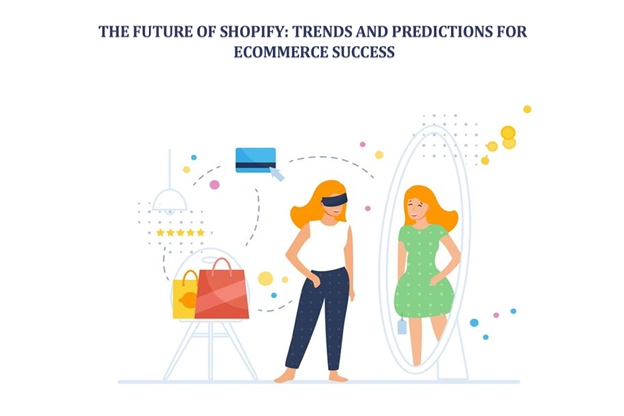
AR feels futuristic. But it’s already here. Imagine placing furniture in your room before buying it. Or trying on glasses virtually. That’s AR. Shopify is integrating these features more. And customers love it. Why?
- It reduces uncertainty
- Makes shopping interactive
- Feels fun
But adoption is still growing. Not everyone uses it yet. Still, it’s coming. Slowly. Then suddenly.
Cross-Platform Strategies: Learning from WooCommerce
No platform has all the answers. Not even Shopify. Smart businesses learn from everywhere. Take WooCommerce Product Video strategies, for example. They focus heavily on visual engagement. And it works. A Shopify store owner once borrowed this idea. Added simple product videos. Nothing fancy. Sales improved. Lesson?
- Don’t limit yourself
- Learn from competitors
- Adapt what works
Cross-platform thinking isn’t optional anymore. It’s necessary.
Data-Driven Decision Making
Data can feel overwhelming. Numbers everywhere. Charts. Reports. But ignoring data is worse. A store owner once relied on gut feeling. It worked until it didn’t. Then he started using analytics. Things changed.
Shopify provides tools to track performance. But tools alone aren’t enough. You need to use them. Key things to watch:
- Conversion rates
- Customer behavior
- Sales trends
Data tells a story. You just have to read it. Sometimes it’s clear. Sometimes confusing. But always useful.
Conclusion
So, what does the future of Shopify really look like? It’s not simple. Not predictable either. It’s a mix of:
- Technology
- Creativity
- Adaptability
Some trends will grow. Others might fade. That’s normal. But one thing is certain. Businesses that stay flexible will survive. Maybe even thrive. Using tools like video content, adopting strategies such as WooCommerce Product Video, and embracing change, these aren’t optional anymore. They’re part of the game.
The future isn’t waiting. It’s already here, in small ways. Quiet changes. Subtle shifts. And Shopify? It’s still in the race. Still evolving. The real question is—are you?