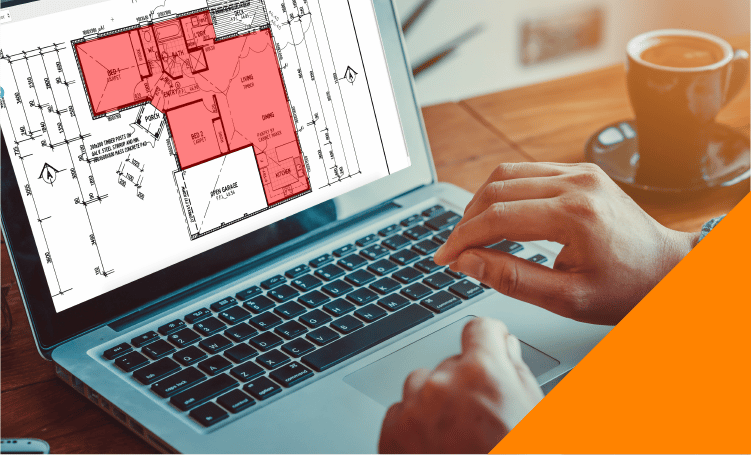
When a contractor picks up a set of construction drawings, two things can analyze them: a software program or a trained human estimator. At first glance, both seem to do the same job. They measure, they calculate, and they produce numbers. But anyone who has spent years in the construction industry knows that the gap between the two is enormous. Experienced estimators bring something to the table that no algorithm has truly replicated, and understanding that gap matters for every project owner, contractor, and subcontractor who depends on accurate cost projections.
Reading Between the Lines of Drawings
Construction drawings are not just a set of measurements. They are a communication tool between designers and builders, and like all communication, they carry context, implication, and intent that goes beyond the literal marks on paper.
A seasoned estimator looks at a structural detail and immediately recognizes a condition that will require special forming, extra labor, or a specific sequence of work. They notice when a dimension string does not add up, when a specification reference is outdated, or when two drawings from different disciplines contradict each other. Software reads what is on the page. An experienced estimator reads what the page means.
This distinction becomes especially visible in complex commercial or industrial projects where drawing sets span hundreds of sheets. Automated tools can process volume efficiently, but they cannot reconcile intent. A human estimator can.
Recognizing Constructability Challenges
One of the most valuable things an experienced estimator brings to any project is field knowledge. They have watched buildings go up. They have seen where crews lose time, where materials get wasted, and where site conditions create unexpected costs.
When reviewing drawings, a skilled estimator will flag a mechanical room layout that looks fine on paper but will be nearly impossible to coordinate in the field. They will catch a structural beam elevation that conflicts with a plumbing run, even if neither drawing explicitly shows the conflict. They can spot a wall section that will require a scaffold configuration nobody has priced yet.
Software can identify what is drawn. It cannot predict what building it will be difficult to build.
Understanding Local Conditions and Trade Practices
Every region has its own construction culture, labor agreements, and material availability. An experienced estimator in a specific market knows which subcontractors are reliable, which material suppliers carry standard stock, and how local labor productivity compares to national benchmarks.
This local intelligence shapes every number in a bid. A software tool pulling from a national cost database may generate a price that is accurate in theory but disconnected from the reality of a specific jobsite in a specific city. Experienced professional estimating services apply this regional context automatically, adjusting for conditions that no database fully captures.
Catching Drawing Errors Before They Become Change Orders
One of the most costly problems in construction is the change order that could have been avoided. Many change orders trace back to drawing errors or omissions that were never caught during the estimating phase.
An experienced estimator acts as an informal quality control layer. They notice when a detail is missing, when a specification is incomplete, or when the scope described in the drawings does not match what the contract documents say. Flagging these issues before bid day allows the project team to seek clarification, reducing surprises during construction.
Automated software, by contrast, estimates what it is given. If the drawing has a gap, the software either ignores it or fills it with an assumption. The estimator asks a question.
Interpreting Scope That Is Implied but Not Drawn
Construction drawings never show everything. There is always a layer of implied scope that experienced estimators understand through industry convention and project type knowledge.
A drawing set for a healthcare facility implies certain infection control requirements during construction, even if they are not explicitly detailed. A high-rise project implies logistics planning for vertical transportation of materials. A renovation project in an occupied building implies noise and dust management protocols that carry real cost.
These implied items rarely appear in software takeoffs because they cannot be measured from a drawing. They live in the knowledge base of someone who has priced similar work before.
Why Human Judgment Still Leads
The construction estimating industry has embraced technology, and rightfully so. Takeoff software has made quantity measurement faster and more consistent. Cost databases have improved access to pricing information. Digital plan rooms have simplified drawing distribution.
But technology is a tool, not a replacement for judgment. The most effective estimating process combines software efficiency with human expertise. The software handles volume; the estimator handles nuance.
For project owners and contractors who want bids they can trust, the presence of experienced human estimators in the process is not optional. It is where accuracy actually comes from.