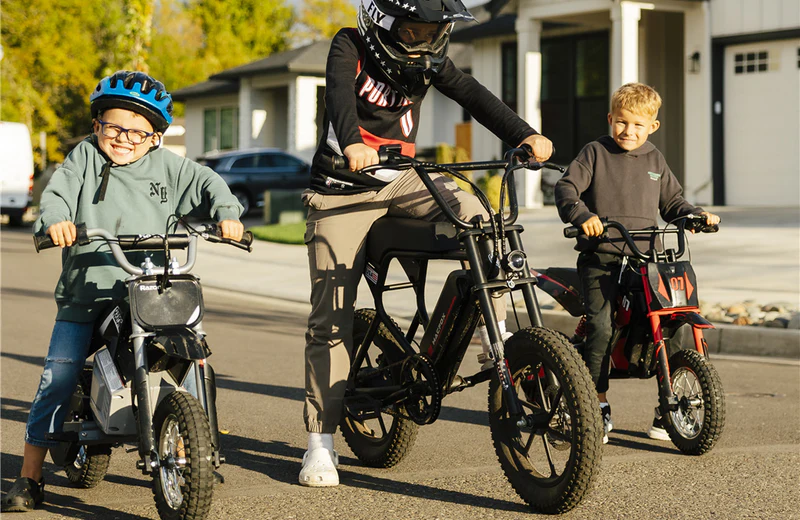
Electric bikes for teens are becoming increasingly popular with teenagers. Riding electric bikes is now a popular choice for teens to get to school, go for weekends outings, and social activities. With proper supervision, electric bikes can be a safe, practical and fun mode of transport for teens, providing a taste of freedom.
What Are Electric Bikes?
Electric bikes (also known as e-bikes) are bikes that have an electric motor powered by a battery. The e-bike allows you to pedal as you would a normal bicycle, but the motor makes it easier, particularly hill climbing and longer trips. It’s common for e-bikes to have adjustable levels of assistance.
Why Teens Love Electric Bikes
A key factor in teens’ interest in e-bikes is their convenience. E-bikes help teens go further without getting tired, making them great for commuting to school or for activities. For teens that may not have a driver’s license, e-bikes give them an alternative to driving.
E-bikes are also fun. The electric motor provides a more effortless ride, and can even make teens want to get out and ride more often, rather than sitting at home in front of a computer.
The other key consideration is cost. E-bikes are cheaper to purchase and run than cars and scooters. They don’t need gas and electricity costs to charge the battery are low.
Safety Considerations
E-bikes can be great fun but safety is paramount. It’s important for parents to teach their teens safe riding habits.
A helmet is a must. Falls can occur even at low speeds with the right head protection can save lives. And wearing reflective gear and lights is a good idea, particularly if riding in the dark.
It’s important for teenagers to know the traffic laws. Some jurisdictions have restrictions on e-bike riding, such as speed zones and riding areas. Knowing these laws decreases the risk of injury and legal problems.
And it’s important to select the right type of e-bike. Some e-bikes have high speeds, which can be dangerous for children. It’s generally recommended to choose a bike that has a speed limit of around 20km/h.
Finding the Right Electric Bike
There are a number of factors to consider when choosing an e-bike. Size and fit are important. It should be the right size for the teen and comfortable. An ill-fitted bike can cause discomfort and difficulty in controlling.
The battery is also an important factor. For commuters, it’s important to have a bike that has a long range. Parents should also inquire about how long it takes to charge the battery.
Weight matters too. Bigger bikes may be more difficult for young teens to control. Lighter bikes are typically easier to handle.
Build quality and sturdiness is important. A robust frame and components contribute to the bike’s longevity and durability.
Benefits Beyond Transportation
E-bikes are more than just a mode of transportation. They can help teens develop a sense of responsibility. Having an e-bike teaches responsibility as teens learn to maintain the bike, such as recharging the battery and checking tire pressure.
They also promote physical activity. It has a motor, but you still have to pedal, so you’re still exercising. This “active asistance” can be a more pleasant way to exercise.
E-bikes are a great tool for teens to connect with others. Riding with others can strengthen friendships and promote spending time outdoors.
Environmental Impact
E-bikes are more environmentally friendly than other forms of transport. They don’t emit pollutants and are more energy efficient. Introducing e-bike riding to adolescents can promote green behaviour in their early years.
Challenges to Consider
However, there are some drawbacks to e-bikes. Upfront costs may be more than a normal bike, but less than an alternative motor vehicle.
Another consideration is maintenance of the battery. The batteries may need replacing in future, which can add to the overall cost. With good maintenance, this can be reduced, but it’s an issue.
And there’s the possibility of theft. E-bikes are valuable and so should have good locks and storage.
Tips for Parents
Parents can ensure a good experience for their children with e-bikes. Consider establishing rules around where to ride and what to do. Talk about safe riding and model good behaviours.
It’s a good idea for parents to ride with their teens at first. This will help parents ensure their teen is safe and give them feedback on how to ride.
Regular maintenance checks are important. Proper maintenance of brakes, tires and lights will avoid mishaps.
Conclusion
Teens’ e-bikes provide a combination of freedom, practicality and enjoyment. They offer a means of travel, promote exercise and instill responsibility. When used safely and carefully chosen, e-bikes can be a great asset to teens.
It’s all about guidance for parents. Selecting a suitable e-bike, establishing guidelines and promoting safe practices will ensure their teen can safely enjoy the benefits of e-biking. With advancements in technology, e-bikes are likely to become an increasingly accepted mode of transportation for teens.
FAQs
1. Is it safe for teens to ride an electric bike?
They can be safe if they are ridden carefully. Helmet use, obeying traffic laws and the right bike are important.
2. What age can you ride an e-bike?
This varies by jurisdiction and the teens’ maturity level, but many e-bikes can be used by those 13 years old and up.
3. Should teens be licensed to operate an e-bike?
Generally, a license is not necessary, but this can differ, so check your local laws.
4. What is the speed of an electric bike?
Typically, e-bikes for teens range from 15-20 mph, which is safe for everyday use.
5. What is the range of the battery?
This varies, but typically e-bikes have a range of 20 to 50 miles.