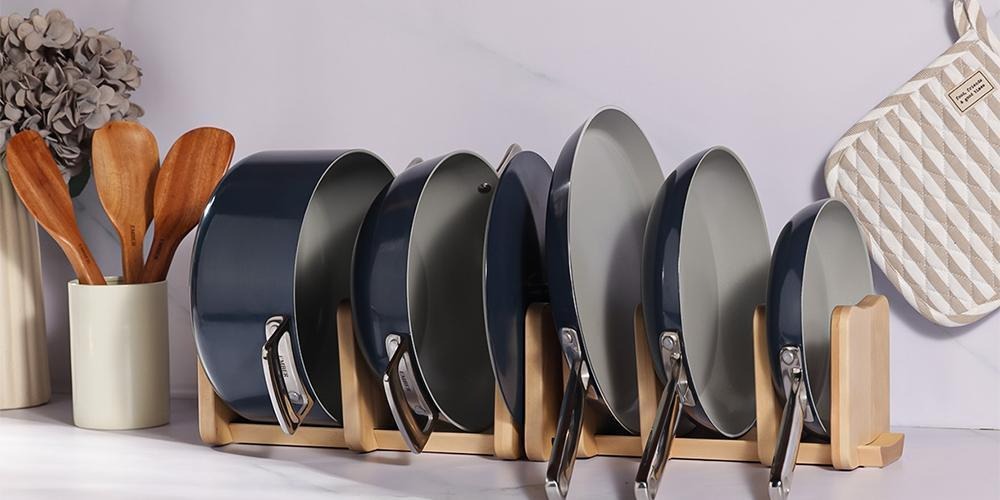
The Indian kitchen is a place of high heat and higher stakes, where your cookware is as much an ingredient as the spices themselves. In a world where we increasingly prioritise organic produce and filtered water, the surface we cook on is the final piece of the health puzzle. Every meal we prepare is a reflection of our commitment to clean living, and choosing the right vessel is the first step in ensuring that our food remains as pure as our intentions. Whether you are searing, tempering, or slow-cooking, your cookware should complement your lifestyle without compromising your well-being.
Understanding Teflon-Coated Cookware
For decades, PTFE, commonly known as Teflon, was the default choice for the non-stick kitchen. It provided an accessible, lightweight solution for a generation that prioritised speed and ease of cleaning. However, as our understanding of material chemistry has evolved, the limitations of this legacy technology have become clear.
Teflon relies on a synthetic polymer coating to create its signature slick surface. While effective at low temperatures, this material has a thermal ceiling. In a typical Indian kitchen, where dry-roasting spices or searing cheese is common, temperatures can quickly climb. When PTFE-coated pans are heated beyond a certain point, the coating can begin to degrade. This degradation releases invisible fumes that compromise indoor air quality and signal the breakdown of the pan’s structural integrity.
Furthermore, while the industry has moved away from older chemicals like PFOA, the broader family of forever chemicals known as PFAS remains a point of concern for the conscious consumer. For a home built on the principles of clean living, Teflon is a compromise that no longer feels necessary.
Understanding Ceramic-Coated Cookware
The shift toward ceramic is not just an alternative; it is an upgrade in every sense of the word. Unlike synthetic polymers, ceramic coatings are derived from inorganic, mineral-based materials. A quality ceramic pan represents a breakthrough in both safety and performance. These surfaces are naturally free from PTFE, PFOA, and lead. They do not emit harmful gases, even when exposed to the high heat of a traditional Indian stove. They offer the food release we love without the chemical baggage we fear.
The market offers various grades of ceramic, yet the most reliable options prioritise thickness and density. Brands like Ember Cookware have taken this further with proprietary ceramic coatings that are independently certified by SGS and carry ISI certification. This offers a combination of verified safety and performance designed specifically for the rigours of Indian cooking. Their teflon-free-non-stick cookware range includes everything from frying pans to dutch ovens, often backed by extended warranties that reflect a belief that a great pan should be a long-term companion.
Key Factors for Indian Kitchens
The demands of Indian cuisine are unique and require surfaces that can withstand more than just basic heat.
- Heat Tolerance: Indian techniques like browning and tempering require a surface that handles high temperatures without chemical degradation.
- Ingredient Interaction: Surfaces must be non-reactive to handle acidic ingredients like tomatoes and tamarind without altering the flavour profile of the dish.
- Structural Integrity: Cookware must be robust enough to handle the abrasive textures of stone-ground spices and heavy daily use.
- Oil Efficiency: High-quality mineral surfaces allow for effective food release with minimal oil, supporting a lighter and more mindful approach to daily meals.
Choosing the Right Surface
Selecting the right kitchenware set involves balancing immediate performance with long-term health and durability.
- Prioritise Material Safety: Opt for a teflon-free-non-stick cookware solution to ensure your kitchen remains free from synthetic fumes and forever chemicals.
- Evaluate Coating Density: Look for proprietary coatings that offer greater thickness than the industry average to ensure the non-stick properties last for years rather than months.
- Assess Design and Function: Choose the set that bridges the gap between traditional heat efficiency and modern, easy-to-maintain aesthetics.
- Value Over Cost: Consider the longevity and warranty of the product, as a durable ceramic pan prevents the waste and expense associated with frequently replacing worn-out Teflon.
Maintaining a Healthy Kitchen
Investing in a durable, thoughtfully made kitchenware set is a practical step toward an environment that values both flavour and health. A kitchen is more than just a place to prepare meals; it is the heart of the home where traditions are preserved, and health is nurtured. By choosing materials that align with modern safety standards, you are creating a space that inspires confidence and creativity.
Choosing quality materials ensures that daily meals are prepared in a way that supports long-term well-being and culinary excellence. Over time, the move toward non-toxic alternatives becomes more than just a purchase; it becomes a commitment to a healthier, more beautiful way of living. Your kitchen deserves a surface that looks as good as it performs, ensuring that every dish you serve is a true expression of care.