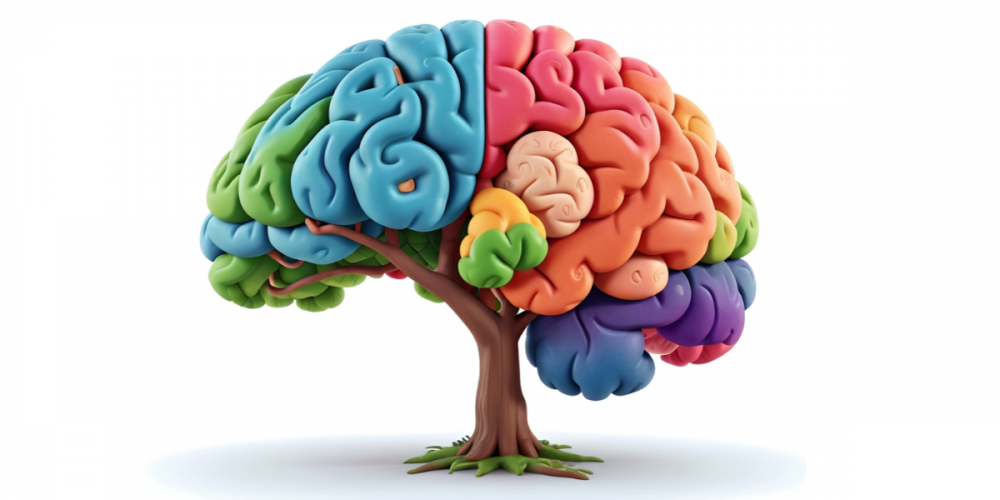
It is 2 a.m. The room is quiet. But your mind is not. It is rehearsing tomorrow’s meeting, replaying a conversation from three days ago, and running worst-case scenarios on a problem that may never actually happen. You are exhausted — but your brain simply will not stop.
If this sounds familiar, you are not broken. You are experiencing what neuroscientists call chronic dysregulation of the default mode network — the brain’s internal narrative system that, when overactive, produces the relentless mental chatter, hypervigilance, and ‘switched-on’ feeling that anxiety sufferers know so well.
In this guide, we explain why an overactive mind happens at a neurological level, the most effective evidence-based techniques to calm it, and — for those who have tried everything without lasting relief — what brain-based approaches like neurofeedback can do when willpower alone isn’t enough.
Important:This article is for educational purposes. If anxiety is significantly impacting your daily life, please consult a qualified mental health professional. TNNFB practitioners are available for consultation across Knoxville, Chattanooga, and Brentwood, TN.\
What Is an Overactive Mind? The Neuroscience Explained
Understanding why your brain won’t stop is the first step to changing it.
The term ‘overactive mind’ describes a state where the brain’s default mode network (DMN) — a set of interconnected regions including the medial prefrontal cortex, posterior cingulate cortex, and hippocampus — remains chronically activated even when external demands are low. In a well-regulated brain, the DMN quiets when you focus on a task or prepare for rest. In an anxious brain, it stays loud.
Research published in the Journal of Neuroscience shows that individuals with generalized anxiety disorder show significantly higher DMN connectivity at rest — meaning their brains are effectively ‘idling in overdrive.’ At the same time, the prefrontal cortex (your brain’s rational regulator) shows reduced activity, leaving the amygdala — the threat-detection alarm — with less oversight and more influence over your moment-to-moment experience.
The result is a brain that is scanning for threat even when none exists, replaying past events for ‘lessons learned’, and running hypothetical future scenarios as a form of preparation. It is not a weakness. It is a nervous system that has learned — through genetics, early experience, trauma, or chronic stress — that staying alert keeps you safe.
The Three Brain Regions Behind Your Overactive Mind
- Amygdala: The brain’s threat alarm. In chronic anxiety, it fires more easily and recovers more slowly, keeping you in low-level fight-or-flight even at rest.
- Default Mode Network (DMN): Responsible for self-referential thinking and mind-wandering. Overactivation = rumination, worry loops, and mental chatter.
- Prefrontal Cortex (PFC): Your rational regulator. In anxious brains, reduced PFC activity means the amygdala has less braking — and your mind stays stuck in overdrive.
How to Calm an Overactive Mind: Immediate Techniques That Work
These are physiological interventions, not just ‘relaxation tips’ — they work by directly altering your nervous system state.
1. Box Breathing (4-4-4-4 Method)
Box breathing is one of the most reliably evidence-backed methods for interrupting acute anxiety. It works by activating the vagus nerve — the primary pathway of the parasympathetic nervous system — which directly counteracts the fight-or-flight state driving your racing thoughts.
- Inhale through your nose for 4 counts
- Hold for 4 counts
- Exhale slowly through your mouth for 4 counts
- Hold for 4 counts
- Repeat 4–6 cycles
Research in Frontiers in Human Neuroscience (Zaccaro et al., 2018) confirms that slow, controlled breathing significantly reduces heart rate variability, cortisol, and subjective anxiety within minutes. This is not placebo — it is a direct intervention on the autonomic nervous system.
2. The 5-4-3-2-1 Grounding Technique
When the mind is racing, it is almost always running into the past or the future. Grounding brings it back to the present moment — where, in most cases, you are physically safe. The 5-4-3-2-1 technique works by recruiting sensory processing regions of the brain that compete with the default mode network.
- 5 things you can see right now
- 4 things you can physically touch
- 3 things you can hear
- 2 things you can smell
- 1 thing you can taste
This is not just a distraction technique. Activating sensory cortices through deliberate attention genuinely competes with DMN overactivity, reducing rumination within 3–5 minutes in most individuals.
3. The Mammalian Dive Reflex (Cold Water Reset)
This is the fastest known intervention for acute anxiety — faster even than breathing techniques. Submerging your face in cold water (or holding a bag of ice to your face) for 30 seconds activates the mammalian dive reflex, which forces the heart rate to slow via direct vagal stimulation. This is used in clinical settings as part of DBT’s TIPP skills for emotion dysregulation and is supported by decades of psychophysiology research.
4. Progressive Muscle Relaxation (PMR)
Anxiety lives in the body as much as the mind. PMR systematically tenses and releases muscle groups from feet to forehead, breaking the body-mind tension loop that keeps the nervous system activated. A 2019 meta-analysis in the Journal of Behavioral Medicine found PMR significantly reduces both trait and state anxiety with consistent practice.
5. Brain Dump Journaling
Writing racing thoughts onto paper literally transfers cognitive load out of working memory. More importantly, the act of labeling emotions in writing activates the prefrontal cortex and reduces amygdala reactivity — a process called affect labeling, demonstrated in fMRI research by Lieberman et al. at UCLA. Writing ‘I feel overwhelmed and scared’ reduces the subjective and neural intensity of those emotions measurably.
Set a timer for 10 minutes. Write everything in your head without editing. Then close the notebook. The goal is not solutions — it is neural unloading.
Comparison: Anxiety Calming Techniques Side by Side
Not all techniques are equal — this table helps you match the right tool to the right moment.
| Technique | What It Targets | Speed of Relief | Long-Term Impact | Best For |
| Box Breathing (4-4-4-4) | Vagus nerve / parasympathetic | Immediate (2–5 min) | Builds regulation habit | Panic, acute anxiety |
| 5-4-3-2-1 Grounding | Sensory cortex / prefrontal | Immediate (3–5 min) | Interrupts rumination loops | Racing thoughts, dissociation |
| Progressive Muscle Relaxation | Somatic tension / body-mind loop | Moderate (10–20 min) | Reduces baseline tension | Physical anxiety, insomnia |
| Cold Water / Dive Reflex | Vagus nerve / heart rate | Fastest (<60 sec) | Resets acute arousal | Panic attacks, overwhelm |
| Mindfulness Meditation | Prefrontal cortex / amygdala | Moderate (10–20 min) | Structural brain change (8+ wks) | Chronic worry, rumination |
| Journaling (brain dump) | Prefrontal labeling / limbic | Moderate (15–20 min) | Reduces cognitive load | Overthinking, sleep issues |
| Neurofeedback (TNNFB) | Brainwave dysregulation directly | Progressive (weeks) | Durable neural re-regulation | Chronic anxiety, ADHD overlap |
| Anxiety Therapy (Chattanooga) | Learned patterns / cognition | Progressive (weeks) | Reprocesses root causes | PTSD, complex anxiety |
TNNFB Note: Neurofeedback is not a replacement for the techniques above — it is what we recommend when those techniques have become crutches rather than corrections. If you need breathing exercises to get through every day, your baseline regulation needs deeper support.
Long-Term Strategies: Rewiring an Anxious Brain
Short-term tools manage the fire. These build a brain that is harder to set alight.
Consistent Mindfulness Practice (Not Casual Relaxation)
The distinction matters: scrolling through a calming playlist is not mindfulness. Formal mindfulness practice — sustained, directed attention on present-moment experience, typically 15–30 minutes daily — produces measurable structural brain changes. Landmark research from Harvard and MGH (Lazar et al., 2005; Hölzel et al., 2011) shows 8 weeks of consistent practice increases prefrontal cortical thickness and reduces amygdala grey matter volume — meaning a smaller, less reactive threat alarm and a stronger regulatory brake.
Aerobic Exercise (The Brain’s Most Powerful Natural Regulator)
Exercise is not optional for chronic anxiety — it is one of the most potent neuroplastic interventions available without a prescription. Aerobic exercise increases BDNF (brain-derived neurotrophic factor), which promotes neurogenesis and synaptic plasticity. A 2017 meta-analysis in Neuroscience & Biobehavioral Reviews confirms regular aerobic exercise produces anxiety reductions comparable to medication in some populations, with zero side effects and lasting structural benefits.
30 minutes of moderate aerobic activity, 4–5 times per week, is the evidence-supported target. Walking counts. The key is regularity, not intensity.
Sleep Architecture Restoration
Chronic anxiety and poor sleep form one of the most vicious cycles in mental health. Sleep deprivation increases amygdala reactivity by up to 60% (Walker, 2017 — Why We Sleep) while reducing prefrontal regulation — creating the exact neural conditions that make anxiety worse. Addressing sleep is not separate from addressing anxiety. It is central to it.
Reducing Caffeine and Stimulant Load
Caffeine is an adenosine receptor antagonist that keeps the brain in a state of heightened arousal by blocking the chemical signal that induces drowsiness and calm. For individuals with an already overactive amygdala, caffeine meaningfully worsens anxiety symptoms. The research is clear: reducing caffeine consumption (especially after noon) reduces trait anxiety scores within 2–4 weeks.
Managing Anxiety Without Medication
Many adults prefer to manage anxiety without medication — whether due to side effects, personal preference, or wanting a root-cause approach rather than symptom suppression. The techniques in this guide, combined with structured brain-based support like neurofeedback, represent an evidence-informed pathway toward durable anxiety reduction that does not depend on pharmaceutical management. This is not anti-medication — it is a recognition that medication is not the only valid option, and for many people, it is not the most effective long-term solution.
When Nothing Seems to Work: What Your Brain May Actually Need
If you’ve tried everything and your mind still won’t quiet, the problem may not be effort — it may be neural.
There is a point for many chronic anxiety sufferers where the advice to ‘breathe more, journal more, meditate more’ becomes genuinely demoralizing. Not because the advice is wrong — but because it assumes the brain’s regulatory systems are fundamentally intact and just need activation. For some people, that assumption is wrong.
Chronic anxiety, especially when long-standing or rooted in early stress exposure or trauma, can produce measurable dysregulation in brainwave patterns that self-directed techniques alone may not address. This is not a character failing. It is neurology.
What qEEG Brain Mapping Can Reveal in Anxiety
- Excess high-beta (21–35 Hz) activity in frontal regions — associated with rumination, hypervigilance, and the ‘switched-on’ feeling of chronic anxiety.
- Reduced alpha (8–12 Hz) — the brain’s natural ‘relaxed awareness’ frequency. Low alpha makes it genuinely harder to shift into calm, regardless of technique.
- Elevated frontal theta (4–8 Hz) — often seen alongside ADHD overlap, contributing to mental restlessness and inability to sustain focus.
- Interhemispheric asymmetry — differences in left/right frontal activation patterns associated with negative mood bias and persistent worry.
- DMN hyperconnectivity — abnormally high resting-state network activity confirming the neural basis of an overactive mind.
A qEEG brain map does not label you or diagnose you. It gives both you and your practitioner a precise, objective picture of what your brain is actually doing — so that training can target the specific patterns driving your symptoms, rather than applying a generic protocol.
This is why anxiety treatment at TNNFB begins with qEEG assessment for most clients. The brain map removes the guesswork and allows neurofeedback protocols to be designed specifically for your brain’s unique dysregulation pattern.
How Neurofeedback Trains an Overactive Mind to Regulate Itself
Neurofeedback is a non-invasive brain training approach based on operant conditioning of brainwave activity. During a session, EEG sensors on the scalp measure your brain’s electrical activity in real time. This activity is translated into feedback — typically a visual display or audio tone — that the brain perceives. When the brain produces a more regulated pattern, the feedback rewards it. When it drifts back toward dysregulation, the feedback pauses.
Over repeated sessions — typically 30–40 for complex anxiety presentations — the brain learns, through accumulated conditioning, to sustain more regulated states more easily. The mechanism is identical to the way the brain learns any other skill: repetition, feedback, and gradual consolidation into automatic behavior.
What Neurofeedback Can Help With at TNNFB
- Chronic anxiety that hasn’t responded fully to therapy or medication
- Anxiety with ADHD overlap (common co-presentation with distinct brainwave signatures)
- Burnout-related nervous system dysregulation
- Sleep-disrupting anxiety (racing thoughts at night)
- Performance anxiety in professionals, students, and athletes
- Post-traumatic nervous system hyperarousal (not a replacement for trauma therapy — works alongside it)
TNNFB Local Specialty: Anxiety Support Across Tennessee
Brain-based care, where you are.
Chattanooga, TN—Anxiety Therapy Chattanooga TN
Our Chattanooga practitioners specialize in adult chronic anxiety, including anxiety that has persisted despite prior therapy or medication. We use qEEG-guided neurofeedback alongside evidence-based lifestyle guidance to address the underlying brainwave dysregulation patterns driving persistent anxiety symptoms. For clients seeking anxiety therapy in Chattanooga TN, TNNFB offers a non-invasive, brain-focused complement or alternative to traditional treatment.
Knoxville, TN—Anxiety Treatment Knoxville
In Knoxville, our team sees many adults whose anxiety overlaps with attention difficulties, executive dysfunction, or burnout — presentations where the boundary between anxiety and ADHD is often blurred. qEEG mapping helps differentiate these patterns precisely, allowing for targeted neurofeedback protocols that address the specific neural signature of each individual’s experience.
Brentwood, TN—Anxiety & Nervous System Regulation
Our Brentwood location serves clients including professionals, parents, and individuals recovering from high-stress periods, burnout, or neurological events that have left the nervous system in a chronically activated state. We combine qEEG assessment with personalized neurofeedback and practical regulation strategies to support a genuine return to baseline calm.
Frequently Asked Questions
Common questions from adults searching for real answers about an overactive mind.
Q: What causes an overactive mind even when nothing is ‘wrong’?
An overactive mind is often the result of a nervous system that has learned, through repeated stress exposure, trauma, or genetics, to default to high-alert states. Even when your life is objectively fine, your brain may be running threat-detection patterns that were set in earlier, harder circumstances. This is not irrational — it is a survival adaptation that has outlasted its usefulness.
Q: Why is my anxiety worse at night?
At night, external distractions are removed, leaving the default mode network’s internal narrative with nothing to compete against. Additionally, sleep deprivation from previous nights increases amygdala reactivity, creating a worsening cycle. Blue light from screens suppresses melatonin and maintains cortical arousal, further delaying the brain’s ability to transition into rest states.
Q: Can I manage anxiety without medication?
Yes — many people do, very effectively. Evidence-based approaches including mindfulness, exercise, CBT, and neurofeedback have all demonstrated meaningful anxiety reduction in research settings. The key is understanding what is driving your specific pattern. A qEEG assessment can reveal whether your anxiety has a measurable neural component that responds better to direct brain training than to cognitive approaches alone.
Q: How is anxiety therapy in Chattanooga TN different at TNNFB vs traditional therapy?
Traditional talk therapy addresses the cognitive and behavioral patterns associated with anxiety — and it is valuable. TNNFB’s approach addresses the underlying brainwave dysregulation that maintains those patterns even after the cognitive work has been done. They are complementary: many clients come to us after years of therapy that helped them understand their anxiety but did not fully resolve it. Neurofeedback targets the neural infrastructure.
Q: How many neurofeedback sessions does it take to help with anxiety?
This varies significantly by individual, severity, and the complexity of the presentation. Many clients notice subjective improvements (better sleep, less reactivity, quieter mental baseline) within 10–15 sessions. Deeper, more durable change for chronic or complex anxiety typically requires 30–40+ sessions. qEEG reassessment at intervals tracks objective progress.
Q: Is neurofeedback safe for anxiety? Are there side effects?
Neurofeedback is non-invasive — no electricity enters the brain; it only reads electrical activity. It has a strong safety profile with decades of clinical use. Occasional transient effects (mild fatigue, vivid dreams, or temporary heightened emotion as the brain adjusts) are reported, particularly in early sessions. These typically resolve quickly. TNNFB practitioners are BCIA-certified, ensuring training is conducted to the highest clinical standards.
Q: How does anxiety relate to depression, and can the same approaches help both?
Anxiety and depression share significant neural overlap — both involve prefrontal-limbic dysregulation, and roughly 50% of people with chronic anxiety also meet criteria for depression. Neurofeedback protocols can be adapted to address the distinct brainwave signatures of each presentation simultaneously.
Key Takeaways: How to Calm an Overactive Mind
An overactive mind is a neurological pattern, not a personal failing — it involves measurable dysregulation in the default mode network, amygdala, and prefrontal cortex.
- Immediate techniques (box breathing, grounding, cold water) work by directly altering your autonomic nervous system state — not just distracting you.
- Long-term relief requires consistent practice that drives neuroplastic change: mindfulness, exercise, sleep restoration, and structured brain training.
- If techniques alone aren’t providing lasting relief, a qEEG brain map can reveal the specific neural patterns driving your anxiety — and neurofeedback can address them directly.
- TNNFB offers anxiety therapy in Chattanooga TN, anxiety treatment in Knoxville, and nervous system support in Brentwood — all guided by qEEG and BCIA-certified practitioners.
Your Mind Can Learn to Be Quieter. We Can Help.
If your anxiety won’t switch off despite everything you’ve tried, the issue may not be a coping strategy you’re missing — it may be a brainwave pattern that needs direct attention. Tennessee Neurofeedback offers qEEG-guided neurofeedback for chronic anxiety, ADHD overlap, burnout, and nervous system dysregulation across Tennessee.
Contact TNNFB to Schedule Your qEEG Assessment