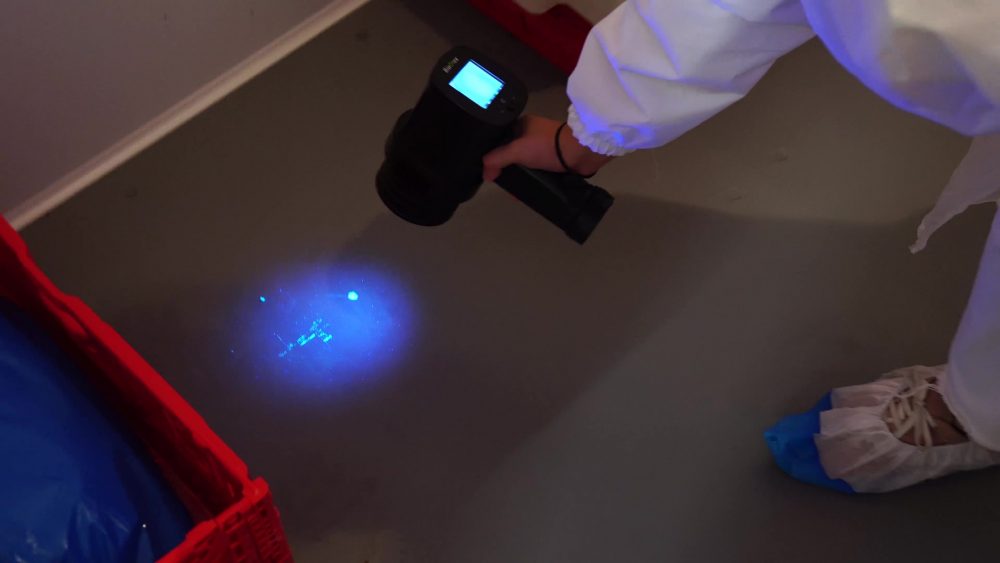
Biofilms are not visible to the naked eye. But this community of microorganisms sticks to surfaces and creates a protective layer that is difficult to remove by disinfectants or normal cleaning. If these biofilms are not treated on time, they can cause contamination, equipment damage, and various other harms in industries like healthcare, food processing, and plant operations.
To tackle this, industries carry out control measurements, which are known as biofilm monitoring. It helps them focus on hygiene and contamination prevention. As the biofilm’s protective layer forms on damp surfaces like pipelines, medical devices, or drains, this monitoring becomes important. What is it and how does it work? This blog explains all of that.
Why is Biofilm Monitoring Important?
Biofilms are not common contaminants. These microorganisms can contaminate systems and may cause serious problems in industries like food processing, manufacturing, and healthcare. This can result in industrialists bearing a lot of cost, including equipment corrosion, pipeline clogging, chronic infections, and more.
The biggest concern is that biofilms are very difficult to nearly impossible to clean with antimicrobial agents. Hence, there needs to be continuous monitoring, surveillance, and regular detection practices. Therefore, biofilm monitoring becomes extremely important. This helps organizations to avoid contamination issues, reduce maintenance costs, and be peaceful about the safer and more efficient operations.
How Biofilms Develop
Biofilms develop in a number of steps.
- The microorganisms first attach themselves to a surface.
- After this, they begin to produce EPS, which is a sticky protective layer that keeps the community of micrororganisms together to make biofilm.
- With time, the biofilm grows into a complex structure that begins to slowly release microorganisms into the surrounding environment.
There are a lot of factors leading to the growth of biofilm. These may include moisture, nutrients, surface texture, temperature, and fluid flow. Stagnant water and hard-to-clean surfaces also have high chances of giving birth to biofilms.
Hence, the need for continuous biofilm monitoring becomes important.
Common Methods for Monitoring Biofilms
Modern biofilm monitoring is a combination of microbiological testing, surface analysis, and advanced detection technologies. Each method has its own set of advantages depending on the application and risk of contamination.
1. Visual Inspection
The simplest method of monitoring is visual inspection. Slime formation, discoloration, or residue buildup is checked on surfaces by operators. Visual methods are easy and cheap, but they can be unreliable, as the biofilms may not be visible in the early stages.
Visual checks are usually employed in conjunction with more sophisticated monitoring methods.
2. ATP Bioluminescence Testing
One of the most commonly used rapid monitoring techniques is ATP testing. ATP bioluminescence systems measure microbial activity on surfaces within seconds, and adenosine triphosphate (ATP) is found in all living cells.
It is particularly effective in food processing, medical, and pharmaceutical plants for rapid sanitation verification. ATP testing, however, is a measure of overall biological material and not specifically biofilms.
3. Microbial Culture Testing
Culture-based methods include sampling surfaces and culturing the sample to detect microbial growth. These tests can be used to identify the type and quantity of microorganisms.
Culture testing is very informative, but takes several days to get results. This delay renders it less useful for real-time monitoring, but useful for establishing contamination trends and for root cause analysis.
4. Microscopic Analysis
Direct visualization of biofilm structures is done using microscopy. Methods for the detailed investigation of the microbial community include scanning electron microscopy (SEM) and confocal laser scanning microscopy (CLSM).
Microscopic techniques are commonly used in laboratories and research settings to gain insight into the biofilm structure and the behavior of microorganisms in it.
5. Sensor-Based Monitoring Systems
Advanced facilities are increasingly using sensor-based technologies to achieve continuous monitoring. These monitors track biofilm-related changes in surface conditions, microbial activity, or fluid properties.
Real-time monitoring systems can assist in reducing detection delays and limiting the potential presence of undetected contamination. Many automated systems also exist that can be plugged into facility management software to enable predictive maintenance and sanitation tracking.
Growing Technologies in Biofilm Control
Technologies to manage biofilms and microbial contamination in industries are changing. Protease Control is faster and more effective due to smart detection systems, automated monitoring devices and antimicrobial devices.
Due to the lack of poisonous chemicals used for disinfection, UV systems have gained in popularity. BioDTex’s solution, in particular, the BioDTex lamp is widely employed as part of the modern sanitation programmes in controlled environments where air and surface hygiene is a key issue.
Meanwhile, automated imaging and analyses technologies driven by artificial intelligence are also enabling facilities to identify microbial growth at an earlier stage and help with the accuracy of biofilm monitoring.
Industries Most Affected by Biofilms
While monitoring of biofilms is important in many sectors, there are some industries that are particularly at risk.
Healthcare
Hospitals and medical facilities must prevent the development of a biofilm on water systems, medical devices and implants, in order to protect the risk of infection.
Food and Beverage Processing
Biofilms in processing lines can cause product contamination, shelf life problems and do pose regulatory concerns.
Other industries include pharmaceutical and industrial manufacturing. In such industries, cutting-edge microbial control technologies and integrated sanitation systems are now more popular, to improve the process of contamination prevention.
Conclusion
Biofilm monitoring is one of the important parts of the modern microbial control routine. Biofilms are extremely tough, and they can instantly spread contamination in their surroundings. Early detection and continuous monitoring can make sure the environment is clean and safe.
Organisations can use a lot of ways to monitor and control the development of biofilms. Methods like ATP testing, microscopy, automated sensors, and UV disinfection technologies are some of the efficient techniques.