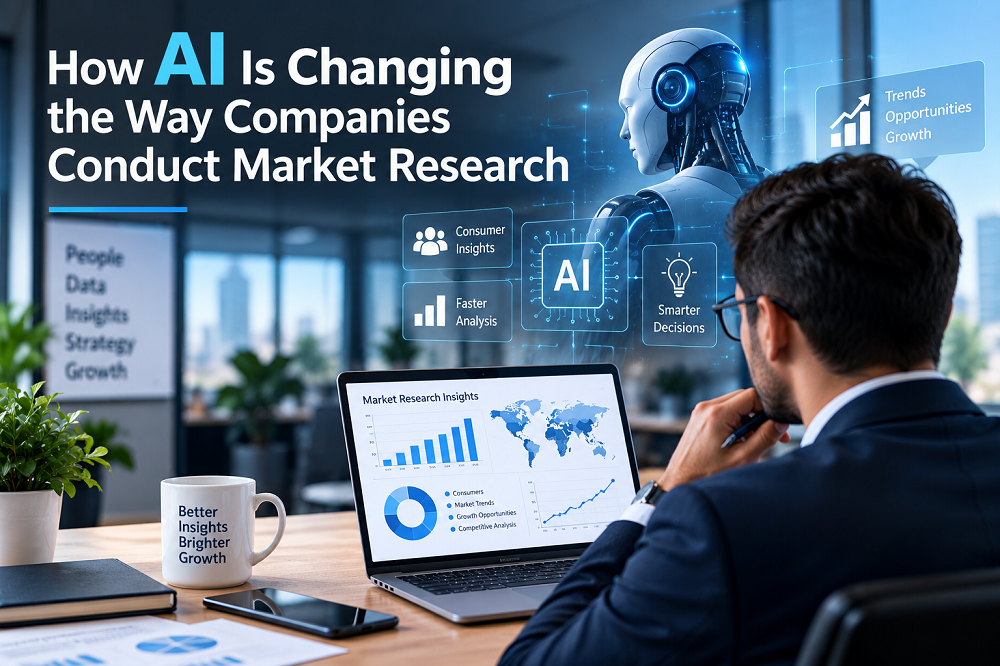
A traditional market research process requires designers to generate surveys‚ find respondents‚ collect answers and manually analyze large amounts of data․ Traditional market research processes can be labor-intensive‚ slow and/or repetitive․ AI-based solutions fully or partially automate and speed up some of these tasks and help to identify patterns in the data․
AI technology is best used in combination with an accurate primary research sample‚ which is sample collected directly from the market respondents to answer research objectives․ AI technology is not intended to replace market research methodologies‚ but to help researchers make better use of their collected data․ Its effectiveness‚ however‚ is still dependent on factors like research design‚ respondent quality‚ data‚ and interpretation․
How AI Is Changing Market Research
One of the most immediate effects of AI is that it can process and analyze data efficiently‚ such as sorting through survey responses‚ transcripts‚ and free text․
Other potential uses for AI in this field include speeding up the response processing time‚ automating the analysis by categorizing and summarizing similar themes‚ and detecting trends and outliers in large datasets․ AI can also be used to provide customer insights by automatically identifying the themes in customer feedback‚ and can process the data and analysis that would have otherwise taken a considerable amount of human time․
According to McKinsey’s 2025 Global Survey of AI‚ 88% of respondents said their organizations had adopted AI in at least one area of their business‚ compared to 78% in the previous year․ Speed increases efficiency‚ but speed alone does not guarantee better research․ AI can remove bottlenecks‚ but good research design continues to be the most important factor in producing good final insights․
AI Is Making Primary Research More Efficient
Primary research is the process of gathering new information from primary respondents through the means of surveys‚ interviews‚ and focus groups‚ providing organizations custom-tailored intelligence about customers or markets․
AI can help in survey design by structuring question flows‚ signaling questions that may confuse participants‚ and human researchers validate the design and results against the original study objectives․ AI can also assist in respondent selection by flagging respondents with response outliers or contradictions while human researchers verify․ AI can transcribe interview audio and video into searchable text‚ group similar open-ended texts into initial themes via topic modeling‚ and synthesize surveys/reviews/custmer support interactions into themes or frameworks․
Research design is still important because AI cannot compensate for problems like unqualified audiences‚ poorly constructed questionnaires or biased respondents‚ even if it speeds up these tasks․
AI Is Improving Market Research Data Analysis
AI has been used in both quantitative and qualitative research‚ with the specific use of AI tools being different for various tasks‚ such as spotting patterns‚ respondent segmentation‚ trend analysis and contradiction detection․ In qualitative work‚ they can help you pull themes and conduct preliminary analysis of sentiment to surface common concerns by topic․
Despite this time-saving organization‚ automated analysis lacks the ability to fully understand sarcasm‚ cultural differences‚ and subtleties in wording․ Sentiment analysis can mistakenly mark a subtle response as positive or negative when it is mixed․ Human intervention is still needed to validate the themes generated by machine learning based on what respondents said․
AI Helps Companies Understand Customers More Efficiently
The company could look at the feedback of several hundred users in an early test of a mobile app‚ on aspects like pricing‚ features‚ and usability․ But this may take time for the researchers․ Instead‚ an AI-assisted tool could group the comments into larger categories‚ such as pricing problems‚ feature suggestions‚ and technical bugs‚ to be reviewed by the researchers․ Instead of interpreting meaning from an unfiltered stack of responses‚ researchers have organized information from the start‚ spending more time discerning what it means for the business․ The best AI tools act as analytical assistants‚ rather than taking decision-making roles themselves․
How AI Can Support the Primary Research Process
AI is better seen as just one link in the chain: Business Question‚ Research Design‚ Respondent Recruitment‚ Data Collection‚ AI-Assisted Analysis‚ Human Validation‚ Business Insight․ Each link in the chain can adversely impact the quality of the next link․ An intelligent analysis by AI in itself doesn’t solve the problem if the wrong sample was chosen and if the automated analysis is not questioned‚ an incorrect conclusion can never be corrected․ AI is best placed here as an extension of sound methodology‚ with researchers choosing who participants are‚ how questions are asked‚ and how the answers are interpreted․
Where Human Expertise Still Matters
Despite automation‚ there remains a need for human expertise in: defining and building appropriate research plans; selecting target audiences; recruiting and screening research participants; detecting fraud; finalizing questionnaires; optimizing sample; cleaning datasets; contextualizing findings; and substantiating results against business realities․
In a company‚ the survey could have been for the wrong population and AI might be able to analyze it and summarize it nicely‚ but it wouldn’t be as meaningful if the sample was not representative of those the company cares about․ Speed doesn’t solve a bad study design․ It just gives you an answer quickly that is wrong․
Risks of Using AI in Market Research
Most risks in best practice are about AI growing into the research process․ These include: data privacy (how AI systems process data and what happens to sensitive respondent information)‚ bias (analyzing AI classification processes rather than assuming neutrality)‚ hallucinations (counter-checking important messages against the source since generative AI can state unproven facts)‚ confidentiality (adding controls for sharing B2B‚ healthcare or proprietary audience research with external generative AI systems)‚ and losing context (AI can replicate what respondents say most‚ but qualitative research is about why and how that matters)․
These do not mean AI should not be used in research‚ but that AI-assisted workflows should be controlled‚ validated and quality controlled․
The Future of AI-Powered Market Research
Research cycles seem likely to shorten‚ with further automation of low-level analysis‚ more real-time analysis of feedback‚ greater understanding of trends in complex data as AI can break down categories‚ and greater agility in research – letting our questions emerge as we start to cycle rather than determining our questions through pre-set templates․ As research activities become increasingly automated‚ we need to expand our knowledge of research governance to ensure clarity about where human researchers are needed as AI approaches reach further into analysis․ Collaboration between AI and highly skilled researchers is the most sustainable․
Conclusion
AI drives faster and larger-scale market research‚ automating repetitive processes and recognizing patterns from large data sets․ However‚ increased analysis speed does not mean improved perception is produced․ Good design‚ a suitable sample of respondents‚ accurate measurement of data‚ and informed interpretation form the elements of good research․
The future of market research is not AI versus humans doing primary research․ AI will make sense of all that data faster‚ and researchers will design the research and quality control respondents to speed up and automate the process of turning raw data into understanding for companies․