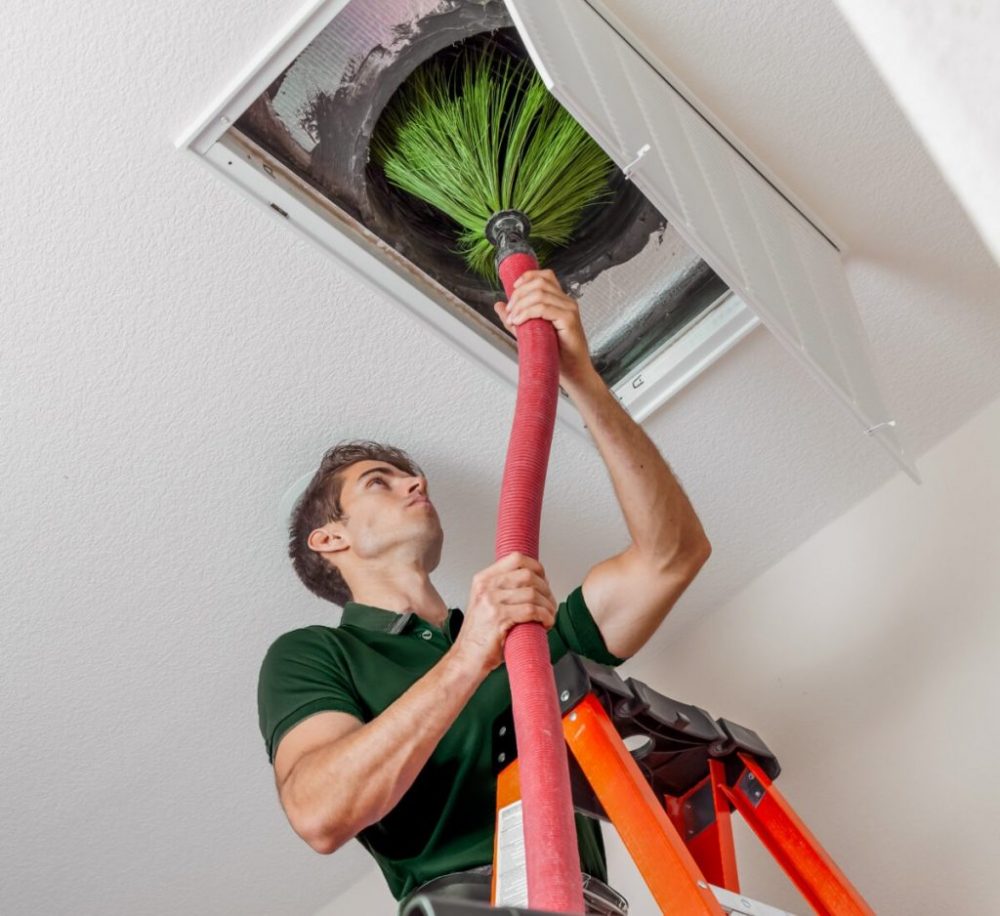
Most people spend the vast majority of their lives indoors. We carefully choose our furniture, obsess over paint colors, and keep our floors clean, yet we rarely stop to think about what is actually floating in the air we breathe at home. It is easy to assume that if a room looks clean, it is safe. But air is invisible, and sometimes the things we cannot see have the biggest impact on how we feel when we wake up or try to relax after a long day. An indoor air quality test is the best way to get actual answers
The Hidden Reality of Modern Homes
Decades ago, homes were naturally drafty. While that was a nightmare for your heating bill, those constant small leaks meant fresh air was always cycling through. Modern homes are built differently. We use thick insulation, tight windows, and advanced sealing techniques to keep our energy costs down. It is a fantastic way to save money, but it also traps everything inside.
When you cook, clean with harsh chemicals, or just live your life, you are adding particles and gases to a space that has nowhere to vent them. Dust, pet dander, mold spores, and chemical vapors from household items get stuck in this loop. Over time, these levels can build up. You might feel a bit sluggish, get a nagging headache, or notice your allergies acting up, and you just assume it is the season or a bad week. Often, the real culprit is just the air stuck inside your house.
Getting the Full Picture with a Test
If you are tired of guessing why you feel off, an indoor air quality test is the best way to get actual answers. Many people try to manage this by buying basic air monitors or running multiple purifiers, but that is often just a shot in the dark.
A professional test is different because it gives you specific data. A technician uses equipment to measure exactly what is in your air, from particulate matter to chemical compounds that might be off-gassing from new flooring or furniture. Instead of buying gadgets you might not need, a test shows you exactly where the problem is. Maybe it is just a humidity issue that needs a dehumidifier, or maybe a small leak behind a wall is feeding mold. Once you see the data, the fix is usually much simpler than you expect.
Taking Simple Control
You do not need to turn your home into a laboratory to stay safe. Once you know what is going on, the steps to fix it are usually just habit changes. You might start using the exhaust fan in the kitchen more effectively, switch to natural cleaning products, or keep a closer eye on humidity levels during humid months.
It is really about creating a space where your body can actually rest. By checking your air, you are being proactive. You are deciding that your health and the comfort of your family are worth more than a quick guess. It is a small step that brings a lot of peace of mind.
Common Questions
How do I know if I need a test?
Pay attention to how your body reacts. If you or your family members often deal with unexplained headaches, fatigue, or irritated eyes that seem to fade when you step outside, that is a huge signal. A musty smell or a room that always feels stuffy can also be a sign.
Can I just use a store-bought monitor?
Those devices can give you a rough idea, but they lack the depth of a professional inspection. They often miss subtle chemical pollutants or deep-seated mold issues that a professional technician can identify. A test provides a diagnostic report that guides you to a real solution.
What kind of things does the test look for?
The most common tests track particulate matter, mold spores, volatile organic compounds, and humidity levels. It gives you a complete view of your environment so you know exactly what you are dealing with.
Does this take a long time or disrupt my day?
Not at all. A professional can usually set up the sampling equipment in a couple of hours. You can go about your day as normal, and the technician will come back to collect the results. It is very hands-off for you.
Will I have to pay for a bunch of extra services after the test?
Not unless you want to. The test is there to provide information. Once you have the report, you get to decide how to handle it. Often, the findings point to simple DIY fixes like improving ventilation or cleaning a specific area.
Can plants help clean the air?
While indoor plants are great for decoration, they cannot handle heavy-duty air cleaning. If you have a real source of pollution, like mold or high chemical levels, plants won’t fix it. Testing helps you decide if you need a real solution or if just a little extra ventilation is enough.