Fashion ecommerce trends move fast. Faster than just about any other part of online retail. Live shopping blows up one season. AI stylists the next. And somehow a brand-new label is supposed to keep pace with all of it, while running on a small budget and a small team.
You don’t need every trend, though. Just the few that actually move sales and bring people back for another order. So here are the fashion ecommerce trends a startup should pay attention to right now, plus the ones that can wait a while.
AI and Try-On Tech Lead Today’s eCommerce Trends
AI and virtual try-on sit at the top of most fashion ecommerce trends right now, and for good reason. They each fix a problem that costs startups real money.
It powers the product picks that show shoppers what they’re likely to want, based on what they’ve clicked and bought before. Some brands go further with AI stylists that pull together full outfits, or chat assistants that answer sizing questions at midnight when nobody’s staffing support. For a small team, that’s a lot of help you don’t have to hire for.
AR lets people try clothes on with their phone camera. They see how something fits before it ships, not after. That matters because fit is the top reason fashion gets sent back. From what we’ve seen, brands that add even simple size guidance get fewer “didn’t fit” refunds, which keeps more of each sale. Good photos and real measurements cover most of it. A short, honest fit note handles the rest.
Shoppers Now Reward Brands That Mean It on Sustainability
Of all the fashion ecommerce trends, sustainability is the one that’s quietly become an expectation instead of a bonus. A big share of shoppers now weigh it before they buy, and plenty will pay a little more for a brand that clearly backs it up.
For startups, this shows up in a few ways. Recycled and organic fabrics. Resale and repair are big now. Buying used isn’t unusual anymore, thanks to ThredUp and Poshmark. Rental platforms like Rent the Runway are also catching on. These models also bring steady, repeat revenue, which a young brand needs.
Packaging counts here too, and it’s an easy place to start. Ecommerce packaging solutions made from recycled material are a visible way to show you mean it. Just don’t fake it. Shoppers spot empty green claims fast, and the backlash costs more than saying nothing would have.
Social Feeds Have Turned Into Storefronts
Social apps aren’t just for browsing anymore. People see something in a video and buy it right there. TikTok Shop and Instagram let a shopper check out in a couple of taps.
For a startup, this is one of the cheaper fashion ecommerce trends to test. You don’t need a big ad budget to make it work. What helps is content that feels real, usually made with creators your buyers already follow. Reviews and photos from actual customers pull a lot of weight here, since shoppers trust each other more than they trust a brand’s own pitch.
A lot of this plays out on phones, too. Fashion shopping mostly starts on a small screen now, so a slow or clunky mobile site quietly bleeds orders. Get the load times quick and the checkout down to a tap or two. That’s where you really notice the difference.
Fast, Flexible Delivery Is the New Baseline
Fast shipping used to be a nice perk. Now people just expect it. It’s one of those fashion ecommerce trends that crept in slowly until everyone took it for granted, mostly because the big players got shoppers hooked on two-day delivery.
You’re not going to out-ship Amazon, and that’s fine. Just be honest with people instead. Give them a real delivery window. Tracking that actually updates. An order that shows up when you said it would. What builds trust is keeping that promise, even when the shipping itself runs slower.
A shirt that shows up creased or damp tends to come straight back, and there goes your money. Sturdy corrugated packaging boxes take the knocks of shipping, so orders arrive in one piece and your returns stay low. Shaving a few cents off with a flimsy mailer doesn’t help much if the customer sends it back anyway.
The Unboxing Moment Turns Buyers into Regulars
Unboxing doesn’t get as much attention as AI or social media, but it’s still one of the fashion ecommerce trends people remember. For a direct-to-consumer brand, the second a customer opens that package says a lot about whether they’ll order again.
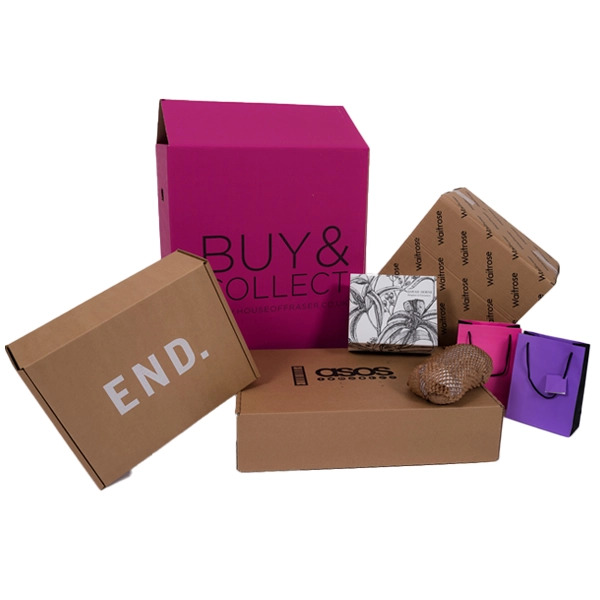
Small brands can win big here. A nice reveal gets filmed and posted to TikTok or Instagram, and that’s free reach you don’t have to pay for. It doesn’t take much, either. A handwritten note on top. An insert that actually suits the brand. Good ecommerce packaging can take a plain delivery and turn it into something people want to show off.
Which ecommerce Trends a Startup Should Chase First
Here’s the honest part. You can’t chase every trend on this list, and trying to burn your budget fast. The smarter move is to pick the few fashion ecommerce trends that fix a real problem for your brand right now.
When returns are eating your profit, start with better fit info and try-on. For brands nobody knows yet, social and creators are the place to lean in. If shipping complaints keep piling up, fix your delivery and your boxes first. Custom packaging for small businesses is one of those low-cost upgrades that pays back quickly, in fewer damaged orders and in customers who remember the experience.
Trends will keep changing. They always do. But the brands that win aren’t the ones chasing all of them. They’re the ones that solve real customer problems, one fix at a time.
FAQs
How often do fashion ecommerce trends actually change?
It depends on the layer. Some trends are quick. A viral look or a trending app can fade in a few months. But AI and sustainability aren’t like that. They build slowly, and they stick. A startup is fine watching those instead of reacting to every new thing.
Is social commerce worth it with a small following?
Yeah, sometimes more than running ads. What works at a small scale is real content and creator’s people already trust. A spend, polished campaign usually does worse than one honest review. So you don’t need a big budget to get going.
How much should a new brand spend on trend tech like AI or AR?
Probably less than you’d guess. You really don’t need custom AI or a 3D try-on setup on day one. Good photos, honest sizing, and clear product details cover most of what those tools fix anyway. And that stuff costs next to nothing.
What’s the easiest trend for a fashion startup to start with?
Start with reliable shipping and clear product info. It’s cheap to get right, and it cuts your returns. Customers pick up on it fast too. Once that’s working, you can layer in social selling and fit tools later.