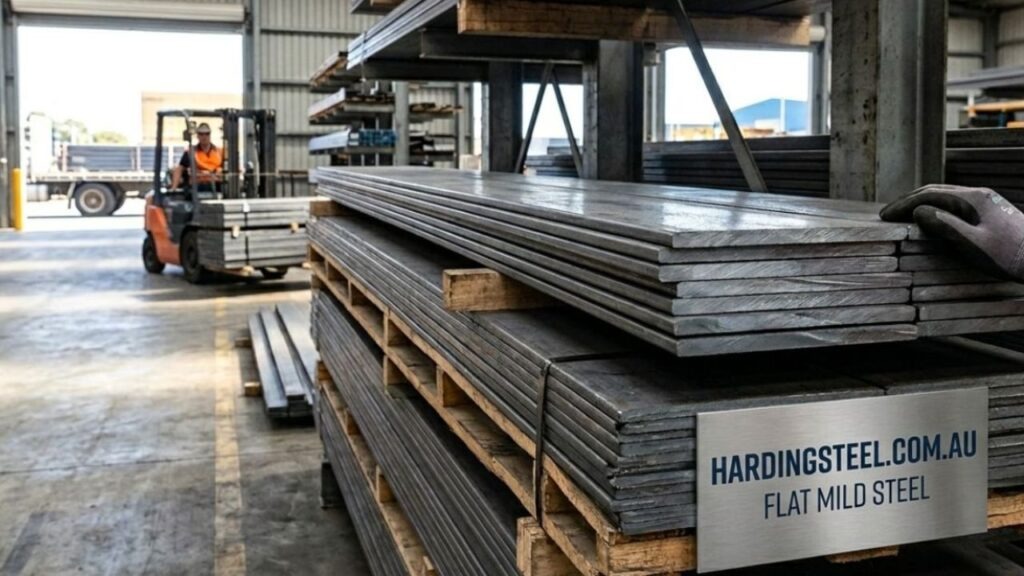
Flat mild steel is widely used in construction, manufacturing, fabrication, and DIY projects because it is strong, affordable, and easy to work with. However, one major drawback of mild steel is its tendency to rust when exposed to moisture and air. Rust not only affects the appearance of steel but can also weaken its structural integrity over time.
The good news is that rust can be prevented with proper surface treatment. By preparing and protecting the steel correctly, you can significantly extend its lifespan and maintain its performance. This guide explains why flat mild steel rusts and outlines practical methods to prevent corrosion before it starts.
Why Flat Mild Steel Rusts So Easily
Understanding the cause of rust is the first step toward preventing it. Mild steel is primarily made of iron and carbon. Unlike stainless steel, it does not contain enough chromium to form a protective layer that resists corrosion.
Iron Reacts with Oxygen and Moisture
Rust forms when iron comes into contact with oxygen and water. This chemical reaction creates iron oxide, the reddish-brown substance commonly known as rust. The process accelerates in humid environments, rainy conditions, and coastal areas where salt is present. Once rust develops, it can spread quickly because rust itself traps moisture against the metal surface.
Flat Surfaces Hold Water and Debris
Flat mild steel is particularly vulnerable because its surface can collect water, dirt, and debris. Unlike sloped or curved surfaces that allow water to run off, flat sections often retain moisture for longer periods. Dirt and dust can also trap water against the steel, creating ideal conditions for corrosion.
Surface Treatment Methods That Prevent Rust
The key to rust prevention is creating a protective barrier between the steel and the surrounding environment. This process involves two essential steps: preparing the surface and applying a protective coating.
Clean and Degrease the Surface
Surface preparation is one of the most important stages. New steel often arrives with a thin layer of oil or grease applied during manufacturing and transportation. If coatings are applied over this residue, they may fail to bond properly and peel away prematurely.
Use a suitable degreaser to thoroughly clean the steel and remove all contaminants before proceeding.
Apply a Rust-Inhibiting Primer
Once the surface is clean, it should be protected immediately. Bare steel can begin developing surface rust within hours of exposure to air and moisture. Applying a rust-inhibiting primer or metal primer creates a protective layer that helps prevent corrosion and improves paint adhesion.
Applying paint directly to bare steel without a primer often leads to coating failure and early rust formation.
Step-by-Step Surface Preparation for Flat Mild Steel
Following a proper preparation process can greatly improve the effectiveness of any anti-rust treatment.
1. Prioritize Safety
Wear gloves and safety glasses while working. Ensure the area is well ventilated, especially when using solvents and cleaning products.
2. Remove Oil and Grease
Use a clean, lint-free cloth with acetone or a commercial degreaser. Wipe the entire surface thoroughly to remove oils, grease, and fingerprints. Allow the solvent to evaporate completely before moving to the next step.
3. Create a Surface Profile
Coatings adhere better to a slightly roughened surface. Use 120-grit sandpaper or a Scotch-Brite pad to lightly abrade the steel. This process removes remaining mill scale and creates a texture that helps primers bond effectively.
4. Perform a Final Clean
After sanding, remove all dust and debris using a clean cloth dampened with denatured alcohol or a tack cloth. Avoid using water, as it can introduce moisture to the surface.
5. Prime Immediately
Do not leave cleaned steel exposed for extended periods. Apply a self-etching primer or epoxy primer as soon as the surface is dry. Follow the manufacturer’s instructions regarding drying and recoating times.
Best Protective Coatings for Long-Term Rust Prevention
The final coating plays a major role in determining how long the steel remains protected.
Paint Systems
A high-quality primer combined with two coats of industrial enamel or polyurethane paint provides reliable protection for many applications. This system works well for indoor environments and areas with moderate outdoor exposure.
Powder Coating
Powder coating creates a tough, even finish that is highly resistant to scratches, chips, and wear. During the process, dry powder is electrostatically applied and then cured at high temperatures.
This option is ideal for flat mild steel used in furniture, panels, automotive components, and decorative applications.
Galvanizing
For maximum durability, galvanizing is one of the most effective protection methods available. The steel is immersed in molten zinc, which forms a strong protective bond with the metal.
A major advantage of galvanizing is that zinc provides sacrificial protection. Even if the coating becomes scratched, the surrounding zinc continues protecting the exposed steel. This makes galvanizing an excellent choice for structural and outdoor applications.
Common Mistakes That Cause Rust
Even the best coatings can fail if common mistakes are made during preparation or application.
Skipping the Primer
Applying paint directly to bare steel often results in rust bleeding through the coating within a relatively short time.
Leaving the Back Side Unprotected
This is a frequent issue with flat mild steel. Many people coat only the visible surface while leaving the underside exposed. Moisture can attack the steel from underneath and eventually spread to the visible side. Both sides and all exposed edges should always be sealed.
Allowing Moisture Into Seams
When welding steel, ensure joints are fully sealed where necessary. Water trapped within gaps and crevices can cause corrosion from the inside out.
Using Rust Converters on Clean Steel
Rust converters are intended for surfaces that already have rust. Applying them to new or clean steel can reduce coating adhesion and compromise the final finish.
Inspecting and Maintaining Treated Steel
No protective system lasts forever. Regular inspection and maintenance help maximize the lifespan of treated steel.
Conduct Routine Inspections
Check the steel every few months for bubbling paint, blistering, discoloration, or rust spots. Early detection can prevent larger problems later.
Focus on Edges and Corners
Coatings are often thinner around sharp edges and corners, making these areas more susceptible to damage and corrosion.
Repair Damage Promptly
If a scratch exposes bare metal, lightly sand the area, clean it thoroughly, and apply touch-up primer and paint as soon as possible.
Keep Surfaces Clean
Dirt and debris can trap moisture against steel surfaces. Regular cleaning with mild soap and water, followed by proper drying, helps maintain the effectiveness of protective coatings.
Conclusion
Preventing rust on flat mild steel requires proper preparation, quality protective coatings, and ongoing maintenance. Because flat surfaces tend to retain water and debris, they require special attention during treatment.
By thoroughly cleaning the steel, applying the right primer, and using suitable protective coatings such as paint, powder coating, or galvanizing, you can create a durable barrier against moisture and oxygen. Avoiding common mistakes and performing regular inspections will help ensure your flat mild steel remains strong, reliable, and rust-free for many years.
Contact Supplier
Hi, I’m Richard, and I own and operate Harding Steel Supplies, Brisbane Northside. We’re open 5 days a week for your convenience.
- 07-3865-5778
- [email protected]
- Mon-Thu: 7am-4:30pm, Fri: 7am-3:30pm, Closed Weekends