Starting a new commercial project, opening a retail space, or managing a major manufacturing plant comes with a long list of responsibilities. While business owners usually focus on budgets, layouts, and launch dates, there is an invisible factor that can quietly ruin your plans: indoor air quality.
When you install new carpets, paint walls, or run industrial machinery, these materials release invisible, harmful chemicals into the air. To keep your workplace safe, healthy, and fully compliant with local laws, investing in professional VOC testing is an absolute necessity.
VOCs, or Volatile Organic Compounds, are carbon-based chemicals that easily evaporate into the air at room temperature. Without proper testing, these invisible gases can build up inside your building, leading to unexpected health issues for your team, costly government fines, and massive disruptions to your daily business operations.
1. Collecting Air Samples to Follow Indoor Air Laws
Every municipality and occupational health agency enforces strict rules regarding indoor air quality and chemical exposure limits. If an inspector visits your commercial site and detects unsafe levels of chemical vapors, your business can face immediate stop-work orders and heavy financial penalties.
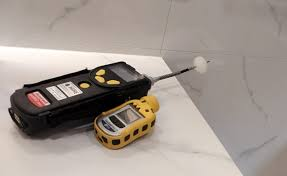
Professional VOC testing removes all the guesswork. Environmental specialists use calibrated air sampling pumps and sorbent tubes to collect real-time air samples across your facility. This testing gives you official, certified documentation proving that your business meets all local environmental and safety standards, keeping your corporate budget safe from sudden fines.
2. Monitoring Airborne Chemicals to Prevent Employee Sickness
When employees spend hours inside a sealed building with poor ventilation and high chemical vapors, they often begin experiencing a cluster of health issues known as Sick Building Syndrome. This causes constant headaches, dizziness, throat irritation, and severe fatigue among your workforce.
Regular air testing helps you catch these chemical buildups before they impact your team. Identifying the problem early allows you to fix your ventilation systems or swap out toxic materials, which dramatically cuts down on employee sick days, lowers your insurance liabilities, and keeps your daily productivity high.
3. Testing New Building Materials for Chemical Off-Gassing
Many business owners do not realize that brand-new commercial spaces are often the most polluted. New office furniture, industrial adhesives, vinyl flooring, and fresh coats of paint all go through a process called “off-gassing,” where they release high concentrations of chemical vapors into the air for months.
By conducting air quality checks before your grand opening, you can pinpoint exactly which materials or fabrics are causing the highest chemical spikes. This allows your project managers to implement heavy flush-out ventilation strategies early, ensuring the air is perfectly clean and safe before your staff or customers ever step inside.
4. Checking Exhaust Systems to Keep Factory Workers Safe
If your business venture involves printing, automotive repairs, chemical manufacturing, or wood processing, your daily operations naturally rely on solvents, thinners, and heavy cleaners. These industrial liquids constantly release vapors that can quickly reach hazardous levels if your exhaust systems fail.
Specialized industrial testing maps out the chemical footprint inside your production zones. It checks whether your current exhaust hoods and air filtration systems are actually doing their job. This gives you the clear data needed to set up proper safety boundaries and select the right protective gear for your warehouse crew.
5. Analyzing Ventilation Layouts to Save on Energy Costs
Trying to fix an air quality issue by simply blasting your air conditioning system all day is incredibly inefficient and drives your corporate electricity bills through the roof.
Bringing in an air quality specialist allows you to look at your building’s HVAC layout strategically. They can help you design targeted fresh-air intake cycles and position exhaust vents exactly where chemicals are generated. This smart planning ensures your workspace stays clear and healthy naturally, completely avoiding the need for expensive, emergency ventilation retrofits later on.
Conclusion
Managing your indoor air quality is a core part of running a smart, modern, and responsible business venture. Ignoring the hidden impact of chemical vapors leads to unexpected health complaints, low staff morale, and costly regulatory delays. Implementing professional VOC testing protects your building budget, keeps your workspace safe, and ensures your daily workflow stays highly productive without any unwelcome surprises.
Do not let invisible air pollutants complicate your operational schedule. Contact the expert environmental team at Enviro Corp today to secure a clear, stress-free path to full air compliance and workplace safety.
Frequently Asked Questions
What actually happens during a VOC testing appointment?
An environmental specialist will place small, quiet air-monitoring devices at key locations around your business property. These devices pull air through specialized filters over a set period to trap chemical molecules, which are then analyzed in a certified laboratory to break down the exact types and levels of compounds present.
How often should a commercial business test its air quality?
It is highly recommended to test your air immediately after any major construction, remodeling, or furniture installation. For industrial facilities and factories that handle chemical solvents daily, scheduling routine annual or semi-annual checks is the best way to ensure ongoing safety and compliance.
Can simple carbon filters clear out dangerous chemical vapors?
While basic building filters can trap dust and physical dirt particles, they cannot stop invisible chemical gases. Clearing out heavy vapors requires specialized activated carbon filtration systems or increased fresh-air ventilation cycles, which a specialist can help you design based on your specific test results.