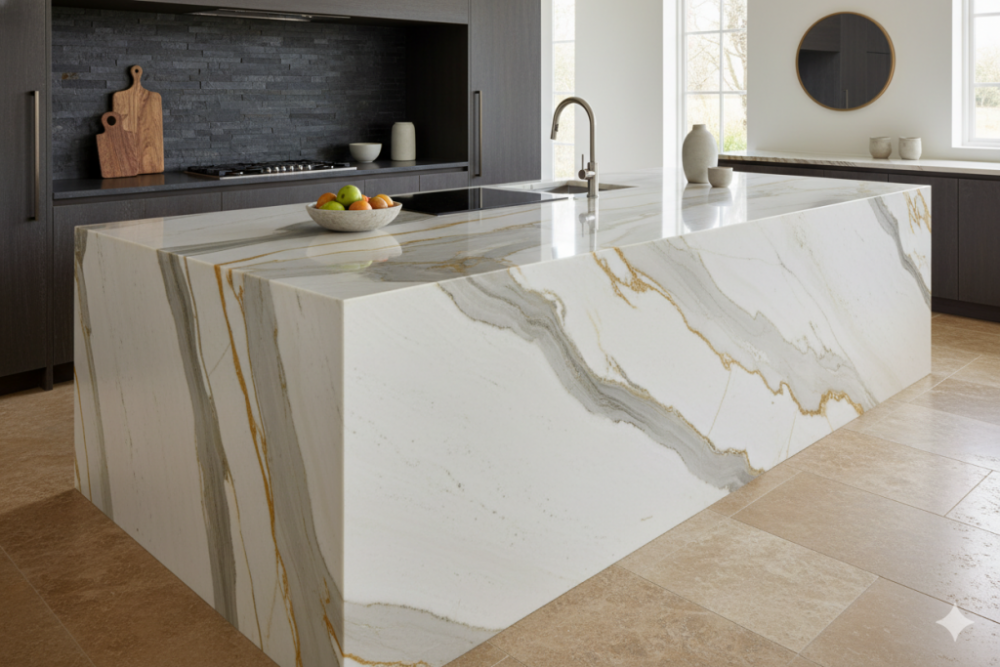
There’s absolutely nothing quite like swinging the front door open and seeing that gleaming stone benchtop staring back at you. Shelling out for premium natural stone gives your home a timeless, upscale edge that just doesn’t date.
But here’s the rub.
As tough as tone looks, it’s actually incredibly porous. Want it looking a million bucks for the next couple of decades? You’re going to have to put in a little effort. Honestly, it’s not hard work. You just need to learn the ropes.
Step One: What exactly are you standing on?
Before you even grab a mop, take a good, hard look at what kind of rock you’ve actually bought. Geological makeup matters. Big time.
In the stone world, we basically split things into two camps. Calcareous and siliceous.
Marble, travertine, or limestone in your space? These fall into the calcareous group. Packed with calcium carbonate, they tend to react when near acid. Think vinegar, lemon – trouble begins fast. Now take granite or slate. These are siliceous types, made mostly of silicate minerals. Spills that scar marble often leave it unbothered. Their makeup handles acidity far better. So, what eats away one stone might barely touch another.
Figuring this out is mission-critical. Hitting a sensitive benchtop with the wrong cleaning spray is a surefire way to wreck it before you’ve even had your morning coffee.
The Daily Grind
Whatever you do, never stray from pH-neutral options – use only stone-specific soap, a gentle dish liquid with no additives, or nothing at all. Cleaners must stay balanced, always.
As for your floors? A dry dust mop is your absolute best mate. Dirt and stray sand from the driveway act exactly like sandpaper. Let the grit build up, and it’ll chew through your polish in no time.
Spilled a splash of wine or your morning flat white? Stop right there. Do not wipe it! Wiping is the quickest way to drive the liquid deeper into the stone’s pores. Blot it straight away to nip it in the bud. And if you’ve got stone in the shower, do yourself a favour and run a sponge over the glass and tiles once you’re done. It stops soap scum dead in its tracks.
Playing Defence
Most spills start small. Try using pads beneath glasses. Every single time. Particularly when it’s something fizzy, like a cocktail with citrus on the rim.
Trivets under hot pots? Non-negotiable. They’re tiny shields keeping scorch marks nasty scratches at bay. Chuck a few slip-resistant mats near your doorways, too, catching dirt before it even crosses the threshold.
Sealing: The Invisible Armour
Sealers are a bit of a game-changer. But don’t just slop any old thing on there.
Surface sealers are terrible for benchtops; they only stay on the surface, come off, and at the same time, hold moisture underneath. A penetrating (or impregnating) sealer is what you are after. These get down deep into the pores and help keep liquids away without altering the stone’s look in any way.
The type of chemicals used matters a lot. For kitchens, fluoropolymer sealers are the best. They’re really good at blocking cooking oils, just like a bouncer. Silane or siloxane? Ideal for going very deep into tightly meshed, fine-pored stones.
Not sure whether you want to seal again? Just water the countertop. If the water spot darkens the surface or disappears very fast, then get the sealer ready, as this is the time for a new application.
Stains vs. Etch Marks: Know the Enemy
Accidents happen. A mysterious mark appears. But is it a stain, or is it an etch?
A stain means something soaked into and turned the stone darker. Organic stains, like coffee or tea, usually surrender to a bit of 12% hydrogen peroxide mixed with a drop of ammonia. Oil stains? You might need to break out a chemical solvent.
An etch mark is a totally different beast. That’s physical damage. Acid has literally eaten away the top microscopic layer, leaving a dull or chalky-white ghost mark behind. If you’ve got polished marble and the etch is only minor, you can sometimes fix it yourself. Mix a specialised marble polishing powder with water to make a gritty paste, put your back into it, and buff it out in a circular motion.
When to Call in the Big Guns
At times, a DIY task may never be successful.
You will want to have a professional restore a surface when you are experiencing large amounts of damage, such as deep scratches, chunks of material missing or a dulling loss of shine to a previously polished surface. The most likely time this will occur is after using premium natural stone in Melbourne. While we know that Melbourne has an inconsistent climate and an active indoor/outdoor lifestyle, these two factors can greatly affect the durability of the surfaces that are installed.
Having a professional perform a diamond re-polishing on your surfaces approximately every couple of years will help maintain that showroom quality polish.
Conclusion:
When the sun sets, taking care of the stone really means doing small things regularly. Use only balanced cleaning products, block dirt before it gets tracked in, then stick to a routine sealant schedule. Care for it well today – your future self will see rewards lasting years beyond now. Fixing problems later costs far more than avoiding them early.