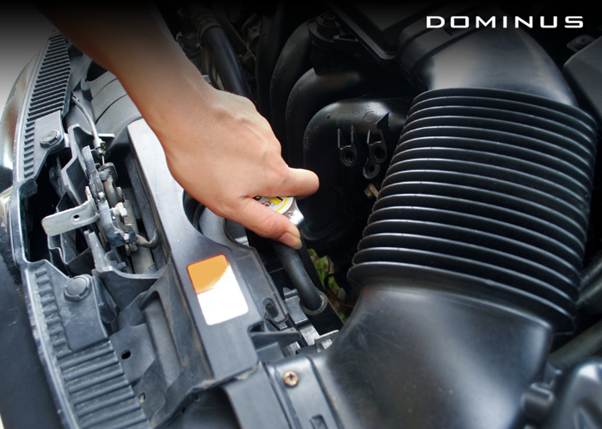
What Is Motorcycle Coolant and Why Does It Matter?
Motorcycle coolant is a fluid — usually a mix of ethylene glycol or propylene glycol and distilled water — that circulates through your engine to regulate heat. It pulls thermal energy away from critical components and dissipates it through the radiator. Without the right coolant at the right level, your engine can overheat within minutes, especially in Florida heat. If you ride a liquid-cooled street bike or need radiator coolant for a dirt bike, checking and refreshing your coolant is one of the highest-return maintenance tasks you can do.
Why Jacksonville Riders Need to Think About Coolant More Than Most
Jacksonville doesn’t mess around with heat. Summers here regularly push past 95°F with humidity that makes it feel closer to 105°F. If you’re riding on I-95 or stuck in afternoon traffic on Beach Boulevard, your engine is working harder than it would in cooler climates—and so is your cooling system.
A lot of riders in North Florida treat coolant like an afterthought. They’ll spend hours on tire pressure, chain lube, and brake pads but completely ignore the fluid that’s literally keeping their engine from melting down. That’s a mistake you really don’t want to make when you’re sitting in traffic in August on a blacked-out naked bike with a heat-soaked engine ticking below you.
The good news: cooling system maintenance is straightforward once you understand what you’re working with.
How a Motorcycle Cooling System Actually Works
The Basic Circuit
Liquid-cooled motorcycle engines circulate coolant through a network of passages inside the engine block and cylinder head. As the coolant absorbs heat, it travels to the radiator — usually mounted at the front of the bike — where airflow (from riding or from a fan at low speeds) pulls that heat away. The cooled fluid then cycles back into the engine and starts again.
A thermostat controls when coolant starts flowing to the radiator. At startup, it stays closed to let the engine reach operating temperature faster. Once temps climb to a set threshold — typically around 185–195°F on most bikes — the thermostat opens and full circulation begins.
Key Components You Should Know
Radiator: The heart of your cooling system. Fins and tubes maximize surface area so heat can escape into the air. Clogged or bent fins reduce efficiency — a common issue on dirt bikes that see a lot of trail riding.
Water pump: Driven by the engine, this keeps coolant moving through the system. A failing water pump is one of the more common causes of mysterious overheating.
Thermostat: Controls operating temperature. A stuck-open thermostat makes your engine run too cold; a stuck-closed one causes overheating.
Coolant reservoir: The overflow tank where excess coolant goes when the system heats up and contracts again when it cools. Always check this first during routine inspections.
Radiator cap: More important than it looks. It maintains system pressure, which raises the boiling point of your coolant. A weak cap can cause coolant to boil at lower temperatures than it should.
Choosing the Right Motorcycle Coolant
Types of Coolant
Not all coolant is the same, and using the wrong type can cause real damage — corroded seals, degraded hoses, and reduced heat transfer. Here’s what you’ll typically encounter:
Ethylene glycol (EG)-based coolant is the most common type and comes in several formulations: IAT (Inorganic Additive Technology), OAT (Organic Acid Technology), and HOAT (Hybrid OAT). Each has different corrosion inhibitor chemistry and a different service life. Most OEM motorcycle coolants are EG-based.
Propylene Glycol (PG)-based coolant is less toxic—important if you have pets or small kids around the garage—and is sometimes preferred for dirt bikes used in environmentally sensitive trail systems where coolant leaks could be an issue.
Pre-mixed vs. concentrate: Pre-mixed coolant (typically 50/50 ethylene glycol and distilled water) is ready to pour in. Concentrate needs to be diluted—always use distilled water, never tap water. Jacksonville’s tap water contains minerals that can cause scale buildup inside your cooling passages over time.
What to Look for on the Label
When you’re standing in a shop in Jacksonville or scrolling through an online listing for bike radiator coolant, look for the following:
- Silicate-free formulations—Many motorcycle manufacturers specifically warn against silicates, which can damage seals and impellers in motorcycle water pumps
- Aluminum-compatible—Most modern motorcycle engines have aluminum components; your coolant should explicitly say it’s safe for aluminum
- OEM approval—Honda, Yamaha, Kawasaki, Suzuki, and BMW all have specific coolant recommendations; matching them extends service intervals
Radiator Coolant for Dirt Bikes: What’s Different
If you’re riding trails in Ocala National Forest or heading to tracks in the Jacksonville area, dirt bike cooling has its own set of considerations.
Street bikes sit in a relatively protected environment. Dirt bikes get rocks thrown at radiators, mud packed into fins, and run at higher RPMs on trails where airflow is inconsistent. All of that puts more demand on the cooling system.
Key Differences for Off-Road Riders
Lower silicate coolant is critical for dirt bikes with rubber water pump seals. Many popular dirt bike brands—KTM, Husqvarna, and older Japanese two-strokes—are particularly sensitive here.
Higher boiling point matters more. When you’re crawling through technical terrain at low speed, there’s no airflow over the radiator. Your coolant needs to handle that. A quality radiator coolant for dirt bike use should have a boiling point (pressurized) of at least 265°F.
Evans Waterless Coolant is worth mentioning here. It’s become popular among serious off-road riders because it has a boiling point over 375°F and eliminates the corrosion that water-based coolants can cause. It’s more expensive upfront but lasts much longer.
Radiator guards are almost essential if you’re riding trails. A bent radiator fin on the trail isn’t just a cosmetic problem — it can cause overheating miles from anywhere with a cell signal.
Dirt Bike Maintenance Essentials for Florida Trail Riders.
How to Check and Change Your Motorcycle Coolant
Checking Coolant Level
This takes about 90 seconds and should be part of your pre-ride checks every few weeks during Jacksonville’s hot months.
- Park the bike on a level surface and let it cool completely—at least two hours after riding
- Locate the coolant reservoir (usually a translucent plastic tank on the right side of the bike)
- Check that the fluid sits between the MIN and MAX lines
- Look at the color: fresh coolant is usually bright green, pink, or blue depending on type; dark brown or murky fluid means it’s time for a change
Never open the radiator cap on a hot bike. The system is pressurized, and you risk a serious steam burn.
Changing Your Coolant
Most manufacturers recommend a coolant change every two years or 24,000 miles, though some OAT-based coolants claim longer service intervals. In Jacksonville’s climate, sticking to the two-year schedule is the smarter call.
What you’ll need:
- New coolant (pre-mixed or concentrate with distilled water)
- Drain pan
- Socket set or screwdriver (varies by bike)
- Funnel
- Shop towels
Basic process:
- Remove the radiator cap (cold engine only)
- Find the drain bolt at the bottom of the radiator or engine block and place your drain pan beneath it
- Remove the bolt and let the old coolant drain completely
- Replace the drain bolt, refill with new coolant, and top off the reservoir
- Run the engine briefly, check for leaks, then check levels again once cooled
If you’re not comfortable doing this yourself, any reputable motorcycle shop in Jacksonville can knock it out quickly.
Warning Signs Your Cooling System Needs Attention
Catch these early and you avoid a much more expensive repair:
A rising temperature gauge that climbs higher than usual or takes longer to drop after you get moving—don’t ignore this, especially in summer.
White smoke from the exhaust can indicate coolant is getting into the combustion chamber, which points to a blown head gasket or cracked cylinder head.
A sweet smell near the engine—coolant has a distinctive sugary odor. Smelling it while riding means you have a leak somewhere.
Puddles under the bike are obvious but easily overlooked. A small drip can become a serious problem in weeks.
Discolored or foamy coolant—oil mixing with coolant looks milky. That’s a serious internal issue requiring immediate diagnosis.
Jacksonville-Specific Maintenance Tips
A few things that are particularly relevant if you’re riding in Duval County:
Flush before summer, not after. May is the smart time to do your coolant change before the brutal heat of June through September hits. Don’t wait until your temp gauge starts climbing.
Check your radiator after every track day. Alachua and surrounding areas have popular track events; stones and debris at speed can dent fins. Even minor fin damage compounds over time.
Keep an eye on hoses. UV exposure and heat cycles degrade rubber faster in Florida than in cooler climates. Squeeze your coolant hoses occasionally — they should be firm and flexible, not cracked or spongy.
Storage coolant still degrades. If you put a bike in storage over the winter (even a mild Florida winter), the glycol still breaks down. Fresh coolant before storage, or right when you pull it back out, is good practice.
Conclusion
Your cooling system is the unsung hero of motorcycle maintenance. It works silently every ride, and most riders never think about it until something goes wrong — usually at the worst possible time, in the worst possible heat.
For Jacksonville riders especially, motorcycle coolant isn’t just routine maintenance. It’s a direct response to the environment you’re riding in. Hot pavement, stop-and-go traffic, and humidity that won’t let up from May through October put real stress on your system.
Whether you’re on a sport bike commuting through Southside, a dual-sport headed toward Ocala, or a dirt bike on the weekend tracks north of the city, getting your bike radiator coolant right, using the correct radiator coolant for your dirt bike, and keeping up with basic cooling system checks will add years to your engine’s life. And honestly, that’s a better investment than most accessories you could put on the bike.
Frequently Asked Questions
What type of motorcycle coolant should I use in hot climates like Jacksonville?
Look for a silicate-free, aluminum-compatible coolant with a high boiling point. In Florida’s heat, a 50/50 pre-mix of a quality OAT or HOAT coolant works well for most street bikes. Always check your owner’s manual first — some manufacturers have very specific requirements.
How often should I change motorcycle coolant?
Every two years or 24,000 miles is the standard guideline, whichever comes first. If you ride frequently in hot conditions or notice the coolant looking dark or murky, change it sooner.
Can I use car coolant in my motorcycle?
Technically, some car coolants work, but many contain silicates that can damage motorcycle water pump seals. It’s safer — and not much more expensive — to use a coolant specifically formulated for motorcycles.
What’s the difference between coolant and antifreeze?
Antifreeze is the base concentrate (usually ethylene glycol). Coolant is the ready-to-use mixture of antifreeze and water. In Florida, the antifreeze properties matter less than the heat-transfer and corrosion-inhibiting properties, but the terms are often used interchangeably.
My bike is overheating but the coolant level looks fine. What’s wrong?
Several things can cause this: a stuck thermostat, a failing water pump, a weak radiator cap that can’t hold pressure, a partially blocked radiator, or air pockets trapped in the system after a coolant change. Start by checking the radiator cap and thermostat — both are inexpensive fixes.
Is radiator coolant for dirt bikes different from street bike coolant?
Not always in terms of chemistry, but dirt bikes need special attention to silicate content, boiling point, and compatibility with rubber seals. Some off-road riders choose waterless coolants for extreme conditions. Always verify compatibility with your specific bike model.
Where can I get my motorcycle cooling system serviced in Jacksonville?
Most full-service motorcycle dealerships and independent shops in Jacksonville handle cooling system work. If you’re doing it yourself, motorcycle-specific coolant is available at dealerships, auto parts stores like AutoZone or O’Reilly on both sides of town, and online retailers with fast shipping to 32201 and surrounding zip codes.