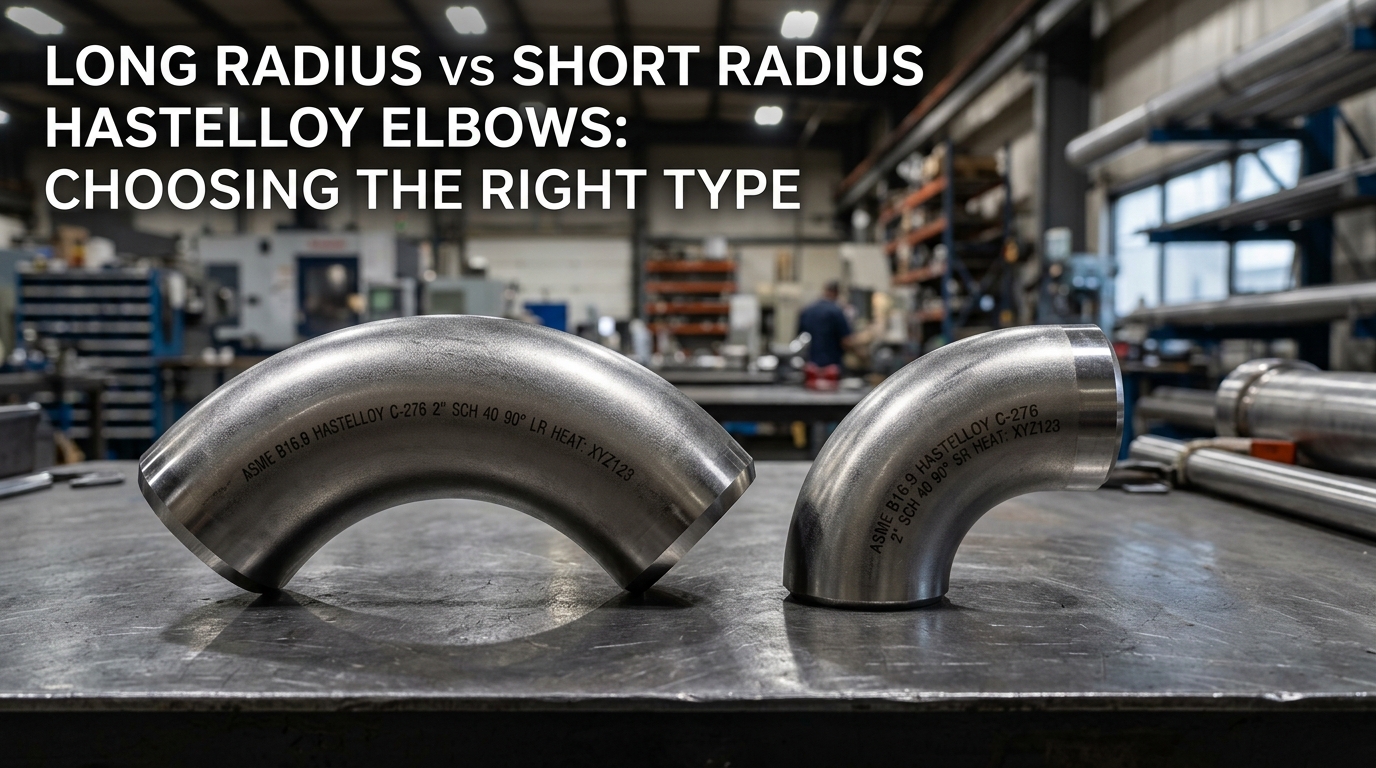
When selecting a hastelloy elbow for corrosive process systems, understanding the differences between designs helps improve flow efficiency and piping performance.
Why Elbow Selection Matters in Industrial Piping Systems
Changes in flow direction always create resistance inside piping networks. This resistance causes a measurable pressure drop that impacts how pumps operate. Proper elbow selection minimizes this energy loss. Space limitations in tight plant layouts often restrict which pipe fittings can fit into the design. The radius of the fitting directly determines how fluid behaves as it turns the corner. A tight turn creates internal turbulence and wear over time. Flow efficiency drops if the wrong geometry gets installed. Choosing the correct components ensures the overall system performance remains perfectly stable.
Understanding Hastelloy Elbows
A hastelloy elbow is a pipe fitting made from a strong nickel alloy. These components connect pipes of the same diameter to change the fluid flow direction. Plant engineers use these specific alloys because they survive aggressive chemicals that destroy standard steel. The material resists pitting and stress cracking in severe environments. Chemical plants and petrochemical facilities rely heavily on these piping systems. A hastelloy buttweld elbow provides a permanent and leak proof joint in critical process piping. The welded connection handles high pressures and prevents hazardous fluids from escaping.
What Is a Hastelloy Long Radius Elbow?
A hastelloy long radius elbow has a fixed centerline radius equal to 1.5 times the nominal pipe size. This specific gradual curvature provides a smoother flow path for moving liquids and gases. The extended sweep significantly reduces internal friction as fluids change direction. Engineers specify this exact fitting for standard industrial applications where plant layouts allow normal clearance.
Advantages of Long Radius Elbows
- The gradual sweep creates a smoother flow transition.
- Fluid moves through the fitting with reduced turbulence.
- The system experiences lower pressure loss.
- Less fluid impact results in reduced erosion at turns.
- The overall design maintains improved flow efficiency.
What Is a Hastelloy Short Radius Elbow?
A hastelloy short radius elbow features a fixed centerline radius equal to exactly the nominal pipe size. The tighter curve creates a highly compact design meant for restricted plant areas. Contractors install these pipe fittings when equipment sits too close together for standard sweeping bends. They remain very practical for retrofit projects where piping must squeeze around existing structural steel.
Advantages of Short Radius Elbows
- The tight curvature provides a space saving design.
- Contractors find easier installation in confined areas.
- The fitting is completely suitable for compact piping systems.
- This shape is practical for retrofit projects.
Long Radius vs Short Radius Hastelloy Elbows: Key Differences
Reviewing operational differences prevents catastrophic piping failures. Engineers study how a hastelloy buttweld elbow radius impacts overall fluid movement and the final physical plant layout.
Flow Efficiency
A hastelloy long radius elbow maintains steady fluid velocity and better overall flow efficiency. Short radius fittings restrict movement slightly and force the connected pumps to work harder during operation.
Pressure Drop
Fluid pushing through a short radius fitting experiences higher friction and increased pressure drop. The long radius alternative minimizes this resistance to keep the system pressure stable during daily operations.
Turbulence Levels
Sharp turns agitate fluids and create heavy internal turbulence. A long sweep allows liquids to slide through the curve smoothly while avoiding the chaotic mixing seen in tighter bends.
Space Requirements
Tight plant footprints demand components that fit into small physical clearances. A hastelloy short radius elbow consumes less room, while long sweeps require a much larger physical installation footprint.
Wear and Erosion Potential
High velocity fluids carrying particulates aggressively scour the inside of a tight bend. The gradual sweep spreads this impact force and naturally reduces long term internal physical erosion damage.
Installation Flexibility
Compact fittings give pipe fitters more ways to navigate around existing plant equipment. The larger sweeping fittings restrict routing options when contractors work inside complex and crowded piping modules.
Where Does a Hastelloy 45o Elbow Fit Into Piping Design?
Piping routes do not always require strict right angle turns. Flow redirection requirements often dictate softer angles to clear obstacles. A hastelloy 45o elbow provides a partial turn that creates very low resistance. The fluid experiences much reduced turbulence compared to sharper turns found in 90 ° fittings. Plant designers place these specific components in applications where gradual directional changes are preferred for sensitive fluids. They serve as an alternative design approach depending on system requirements and space. Two of these fittings can combine to create a wide offset around large structural beams.
Choosing the Right Hastelloy Elbow for Your Application
Selecting the exact fitting requires looking at the entire process system. Plant engineers review multiple physical and operational variables before finalizing any piping isometric drawing.
- You must measure the available installation space.
- The internal flow characteristics dictate how fluid moves.
- Proper sizing directly improves pumping efficiency.
- Corrosive media handling requires the right alloy grade.
- Maintenance considerations include checking areas prone to rapid thinning.
- The fitting must handle the specific process pressure requirements.
- High operating temperature limits affect the material strength.
Industries Commonly Using Long and Short Radius Hastelloy Elbows
Heavy industrial sectors use these pipe fittings daily. Corrosion resistant alloys are frequently selected for these environments to prevent catastrophic leaks and unexpected plant shutdowns.
Chemical Processing Plants
These facilities process aggressive raw materials that destroy standard carbon steel. Engineers install these specialty fittings to securely route reactive fluids between large storage tanks and heavy mixing reactors.
Petrochemical Facilities
Oil and gas derivatives contain highly corrosive sulfur compounds. The specialized alloy fittings handle these harsh refining environments while maintaining pipeline integrity under extreme industrial heat and pressure conditions.
Pharmaceutical Manufacturing
Drug production requires totally clean systems that will not degrade. The resistant fittings prevent process contamination while withstanding the aggressive chemical cleaners used to wash out the piping lines.
Marine and Offshore Applications
Saltwater environments cause rapid deterioration of standard metal piping components. Platform builders use these resilient fittings to build durable fluid transfer lines that survive constant exposure to ocean spray.
Pollution Control Systems
Flue gas desulfurization units scrub toxic chemicals from plant exhaust smoke. The piping networks utilize these fittings to safely move highly acidic wastewater away from the main scrubbing equipment.
Acid Handling Systems
Industrial operations moving concentrated sulfuric or hydrochloric acids require highly specialized materials. These exact pipe fittings resist the severe localized pitting that normally destroys inferior metals in these systems.
Power Generation Facilities
High pressure steam and cooling water loops require very stable piping networks. The durable alloy construction ensures the pipe fittings handle constant thermal cycling without cracking or failing unexpectedly.
Common Mistakes to Avoid When Selecting Pipe Elbows
Many piping failures trace back to poor component selection during the early design phase. Avoiding a few basic engineering mistakes will extend the pipeline lifespan.
- Choosing based only on available space often ruins system efficiency.
- Ignoring pressure drop implications forces pumps to run beyond capacity.
- Overlooking flow velocity effects leads to rapid internal pipe erosion.
- Not considering maintenance requirements makes future pipe replacements unnecessarily difficult.
- Failing to evaluate operating conditions causes unexpected metallurgical stress failures.
Conclusion
The differences between long radius and short radius fittings involve physical space and fluid dynamics. Geometry has a direct performance impact on flow and pressure loss. You use long sweeps for efficiency and compact fittings for tight spots. Always match the hastelloy elbow geometry to system requirements. Proper selection prevents wear.
Tesco Steel manufactures specialized industrial piping components for critical chemical processing systems.