The younger generation of Indian riders now has a different perspective on motorcycles. It has surpassed the traditional image of a strong bike with luxury and is now much more than just a means of transportation. Instead, a more focused interest in the art of riding, understanding mechanics, and pushing one’s own boundaries in a logical and thoughtful manner is beginning to develop.
The discussion has shifted among riding groups in places like Delhi, Bengaluru, Chennai, and Pune. Although the culture surrounding performance motorcycling has expanded significantly, performance itself remains at its core.
A Generation That Researches Before It Rides
The younger rider of today has already spent hundreds of hours watching videos of track days, learning how to set up suspension, comparing tyre compounds, and breaking down cornering techniques before making their first purchase of a performance motorcycle. They know what lean angle means. They understand why a shorter wheelbase changes turn-in behaviour.
They have watched enough onboard footage to have formed genuine opinions about riding lines before they have ever ridden one themselves. This level of pre-existing knowledge changes the entire dynamic of entering the performance segment. It also raises expectations, not just of the machine, but of themselves as riders.
The Community Has Become the Curriculum
The growth of organised riding communities that place equal emphasis on education and experience has been a major factor in this change. Track days that were once the preserve of professional or semi-professional riders are now accessible to enthusiasts. Riding schools have expanded their programmes, too. Structured briefings regarding road craft, emergency braking distances, and group riding etiquette are becoming more common on group rides.
As a result, the culture has created its own unofficial educational system that functions through peer information exchange, mentorship from more seasoned riders, and a shared realisation that ability is more important than horsepower on any road requiring true judgement.
The Shift from Highway Blasts to Cornering Craft
For a long time, the definition of a good rider in popular imagination was someone who could achieve high speeds on an open highway. That definition is changing. Nowadays, riders who can maintain speed through turns and who understand trail braking, weight transfer, and throttle timing are the ones who gain true respect in modern communities. It is comparatively easier to ride quickly in a straight line.
Mastering the ability to ride a motorbike through a decreasing-radius bend at speed often takes significant practice and experience. The focus within the riding community has changed to that more difficult but rewarding form of mastery.
Women Riders Are Reshaping the Conversation
The increasing popularity and impact of female riders have been one of the biggest changes in Indian performance motorcycle culture in recent years. Women are now actively involved in track days, leading group rides, and contributing to technical conversations in riding forums. Previously, discussions around performance motorcycling under-represented them.
Their presence has positively altered the tone of those communities by promoting long-term riding enjoyment over short-term thrill-seeking, technique over exaggeration, and preparation over impulsivity. It is a development that has made the culture richer and more welcoming across the board.
The Role of Mid-Displacement Machines in This Evolution
The growing sophistication of the riding culture has also influenced which machines are attracting serious attention. Many riders now believe that a mid-displacement performance motorcycle is a better choice for developing riding skills. It is powerful enough to be exciting, yet forgiving enough to help riders learn without being overwhelmed by every small mistake.
These machines can help riders develop genuine ability because they reward effective technique and rider input. They often expose weaknesses in technique that a more powerful machine may partially mask through sheer performance. This philosophy has quietly elevated the standing of focused, well-engineered, smaller performance bikes within serious riding circles.
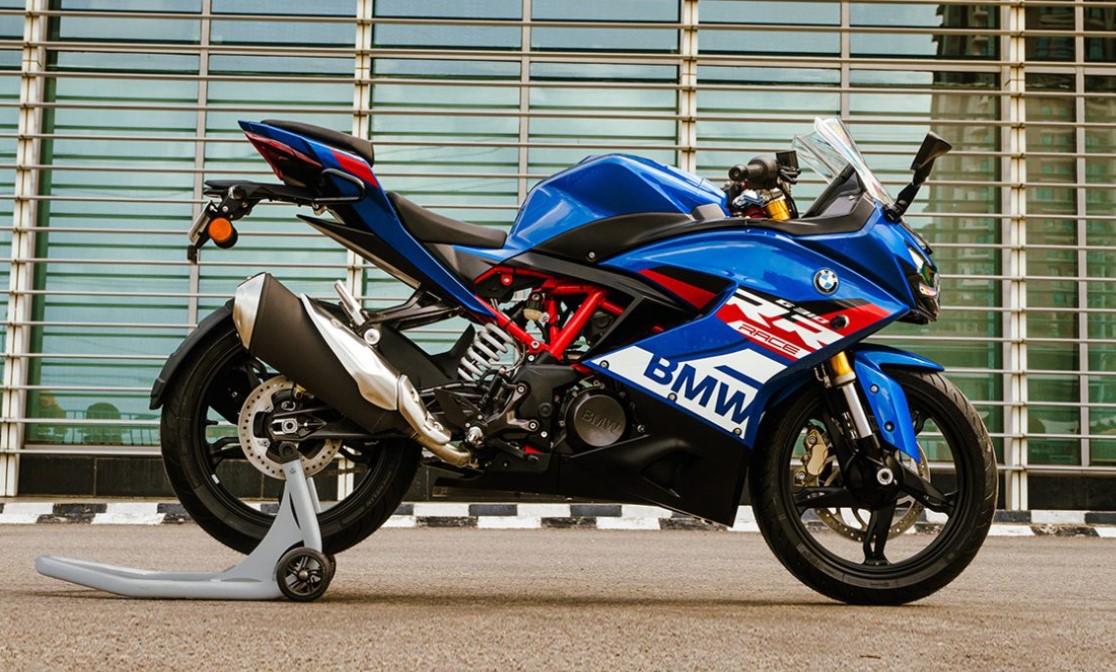
The BMW G 310 RR fits naturally within this conversation, a machine that prioritises sharpness and precision over raw intimidation and one that has found genuine admirers among riders who care about what they are actually learning, not just what they are riding.
Where the Culture Goes from Here
The trajectory of performance motorcycle culture in India points toward something that is both more technical and more inclusive than what existed a decade ago. Rider training is being taken more seriously. Many riding communities are increasingly encouraging practices that prioritise safety and skill development. Furthermore, machines that reward engagement instead of just delivering speed are increasingly producing the most authentic pleasure.
As every kilometre is earned and every corner is a tiny testament to the rider’s progress, a well-maintained sports bike in the hands of a rider who has invested in their development produces a kind of riding that many enthusiasts find more satisfying than raw acceleration alone