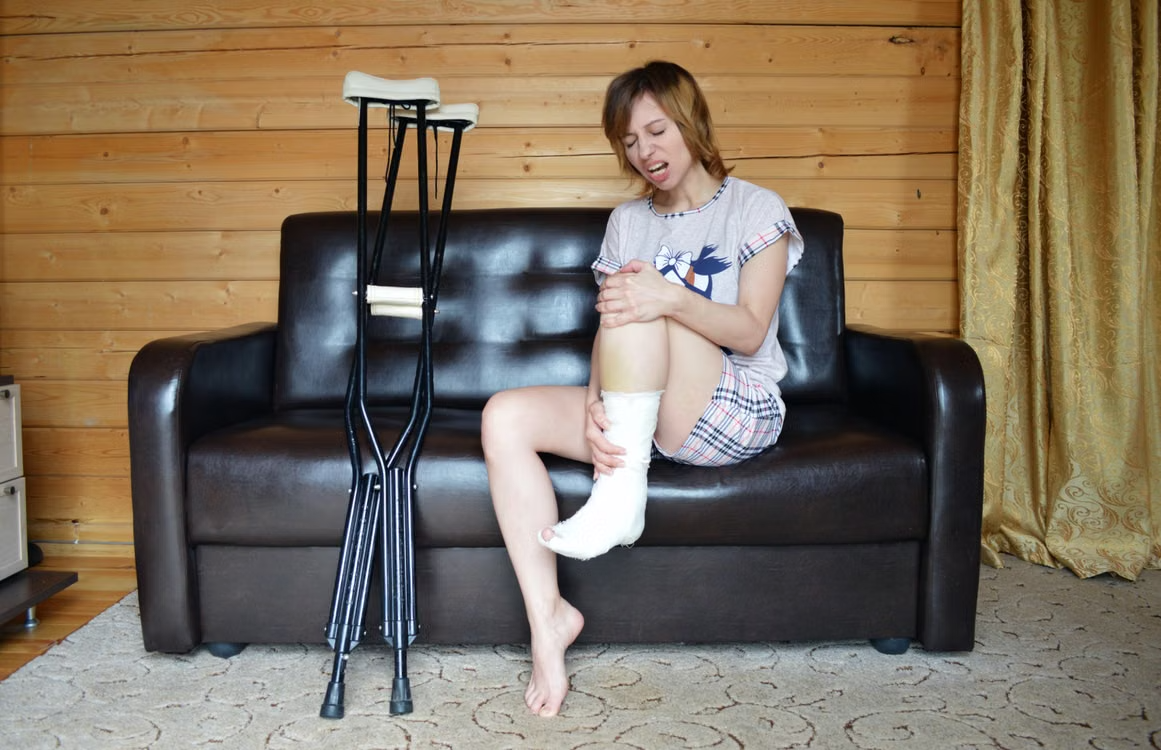
An injury at work can have an impact beyond just your physical well-being. As you get treated for your visible injuries such as bone fractures, sprained muscles, and so forth, the mental implications can creep in. Issues like anxiety, depression, lack of self-confidence, and increased stress can hinder the recovery process, particularly when there are financial constraints or concerns regarding going back to work. Knowledge about the connection between work-related injuries and mental health can enable workers to be more aware of the issues and find assistance where necessary. The information provided below sheds light on these aspects.
Workplace Injury Compensation Can Ease Financial Stress
Financial insecurity is a big emotional burden imposed when an employee sustains an injury at work. Increased anxiety caused by medical costs, rehabilitation costs, decreased salary, and other factors could be a source of additional difficulties during recovery. A work injury benefits system is established to ensure that financially challenged employees who meet the requirements receive assistance in the form of payments toward medical treatment, loss of earnings, rehabilitation, or other benefits. Information on possible entitlements will allow one to make rational choices without experiencing any unnecessary confusion. Keeping all documentation concerning treatment details, medical appointment dates, and job-related information may also simplify the process of getting compensated.
Mental Health Is an Important Part of Recovery
Physical recovery from an injury at work is likely to go hand in hand with emotional recovery. An employee who is suddenly no longer able to move freely or is dependent on others may feel anger, disappointment, or fear concerning their ability to continue working. Injuries that seem insignificant at first glance can result in long-term emotional distress if they disrupt one’s everyday life or finances. Insomnia, irritability, and lack of interaction with other people may become further hurdles on the way to recovery. Turning for help to specialists, supportive relatives, or employee services offered by the workplace can relieve emotional strain.
Legal Action May Be Necessary in Some Situations
While many workplace injury claims are resolved through established compensation processes, certain circumstances may require legal action. Disputes regarding liability, denied claims, or disagreements over benefits can create additional stress for injured workers. When professional guidance becomes necessary, it is important to hire experts who can perform comprehensive medicolegal assessments and provide informed advice based on medical evidence and legal requirements. Documentation, good communication, and professional representation not only enhance the claim but also help people see their choices clearly. The decision to use the legal system does not necessarily imply resorting to protracted litigation. In some instances, a settlement or dispute resolution can provide justice without any unnecessary delay.
A Supportive Workplace Can Improve Outcomes
The employer can make a significant contribution to the successful rehabilitation of injured workers. Open dialogue, accommodation in the workplace, and gradual reintroduction to work will lower stress and promote physical and psychological health. Workers who are perceived as valuable and are not misunderstood by the employer will be more willing to engage in rehabilitation and stay connected to their workplace. Checking on the employee on a regular basis without imposing additional stress will allow spotting potential problems at an early stage. It is also possible to recommend counseling, employee assistance programs, and even flexible scheduling in order to address emotional problems of the employees during the period of recovery.
Long-Term Well-Being Requires Ongoing Attention
Recovery does not always have to stop once the physical signs fade away. Some people may feel scared of going back to work, worried about the chance of being hurt again, or feel a lack of self-confidence even after treatment is over. Developing healthy habits, visiting a doctor on a regular basis, and managing stress properly can help maintain mental well-being in the long run. Keeping in touch with friends and co-workers may help avoid the feeling of loneliness. It is crucial to keep track of the progress on the part of the employer and the health care provider.
In summary, an injury on the job affects every element of an individual’s life. This not only relates to physical pain but also the psychological and monetary stress that comes with the injury. The advice mentioned above can make the recovery process more manageable. By addressing both physical and psychological needs, injured workers can build resilience, regain confidence, and move toward a healthier, more sustainable return to work.