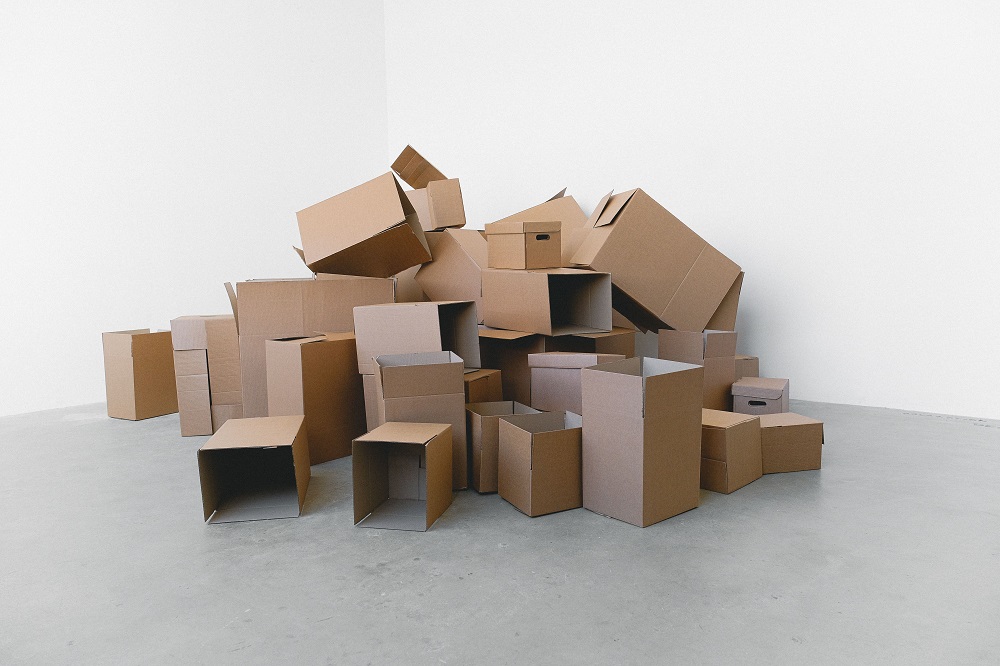
Ever stood in front of a stack of boxes and had no idea which one to grab? Most of us have. It looks simply until you try it — too small and your stuff gets crushed, too big, and you’ve paid for a box full of empty air. This guide covers the main types of cardboard boxes, how to size them properly, and a few ways to avoid overspending on packaging you don’t need.
What Types of Boxes Are Actually Out There?
There’s more variety than people assume, and most of it exists because someone got tired of using the wrong box for the wrong job.
Single Wall Boxes
Your everyday, bread-and-butter option. One layer of fluting, nothing fancy, but it holds up fine for lighter loads like clothing, paperwork, or toys.
Double Wall Boxes
Two layers of fluting means these can take a proper beating without folding in on themselves. Good for electronics, glassware, or anything that would make you wince if it got dropped.
Postal Boxes
Sized to match courier and letterbox rules, which matters if you’re running an online shop. Get it wrong, and you’re either overpaying or having the parcel rejected.
Envelope Boxes
A hybrid — flat like an envelope, sturdy like a box. Great for documents or cards that still need a bit of backbone so they don’t arrive half-bent.
Book Wraps
Snug, close-fitting cardboard that wraps around books or magazines so nothing shifts or dog-ears in transit. Publishers and second-hand booksellers rely on these constantly.
Archive Boxes
For storing paperwork long-term without having to think about it again. Sturdy, stackable, usually with a lid that locks down properly.
Moving Boxes
Bigger and tougher, made for the general chaos of packing a house. Comes in various sizes so you’re not cramming a lamp into something meant for books.
Cardboard Trays
Open-top and quick to grab from — a favourite on shop floors where staff need to restock shelves fast.
How Do You Pick the Right Size?
This is where most people trip up. Too much space inside a box and your item bounces around during the journey — that’s how corners get dented, and glass gets cracked.
| Type | Typical Use | Best For |
| Small single wall | Books, tools, small parts | Light, dense items |
| Medium double wall | Electronics, ceramics | Fragile or mid-weight goods |
| Postal box | Online orders | Ecommerce parcels |
| Envelope box | Documents, flat items | Slim, lightweight contents |
| Large moving box | Bedding, clothing | Bulky, low-weight items |
My rule of thumb: heavy stuff goes in small boxes; light stuff goes in big ones. Do it the other way round, and you’ll end up with something too heavy to lift or a bottom that gives out halfway to the car.
Which Option Works Best for Your Industry?
It depends on what you’re moving and how often. A few patterns worth knowing:
- Online sellers tend to live and die by cardboard postal boxes, since courier pricing is often based on size and weight together
- Booksellers and publishers reach for book wraps automatically — anything else risks bent covers
- Offices dealing with years of paperwork lean on archive boxes since they stack and store well long-term
- Shops restocking shelves throughout the day prefer open trays over sealed boxes, purely for speed
- Anyone moving house usually ends up buying a mix of double wall and moving boxes, since a house is never just one type of item
If you’re not sure which camp you fall into, ask how fragile the item is and how far it’s travelling. That usually settles it.
Can the Right Choice Actually Save You Money?
Yes, and it’s one of those things people don’t notice until they’ve already wasted money on it. Go too big, and you’re paying for extra void fill or volumetric weight charges. Go too small, and you’re dealing with damage claims and annoyed customers.
- Buying in bulk almost always brings the per-unit price down
- Sticking to standard sizes saves the cost and hassle of custom orders
- Reusing sturdy boxes for internal storage means not buying new ones for jobs that don’t need them
- Matching box strength to the product’s actual weight, rather than defaulting to the toughest option every time
Sorting your packaging supplies out properly from day one saves you from the endless cycle of reordering because something didn’t fit right the first time.
Conclusion
At the end of the day, the right box isn’t the biggest or toughest one on the shelf — it’s whichever one matches the job in front of you. Shipping, moving, archiving, restocking- there’s a type built for exactly that. Get the size and strength sorted, and you’ll spend less, break less, and stress a lot less doing it.
Frequently Asked Questions
- What’s the difference between single wall and double wall cardboard boxes?
Single-wall has one layer of fluting and works well for lighter items. Double wall has two layers, making it far sturdier for heavier or more fragile items.
- Can I reuse boxes for shipping?
As long as they’re not crushed, damp, or coming apart at the seams, sure. Just slap on some fresh tape before sending them out again.
- What size box should I use for posting small items?
Go as close to the item’s actual size as you can. Extra space means more room for things to shift and get damaged along the way.
- How do I know if a box is strong enough for my product?
Check the manufacturer’s specifications or weight rating if available. Anything heavy or fragile is usually safer in a double wall container than a single wall container.
- Are envelope boxes better than padded envelopes for fragile items?
If the item has any real shape, yes. Padded envelopes cushion things well but still bend, whereas this style holds its shape the whole way through.