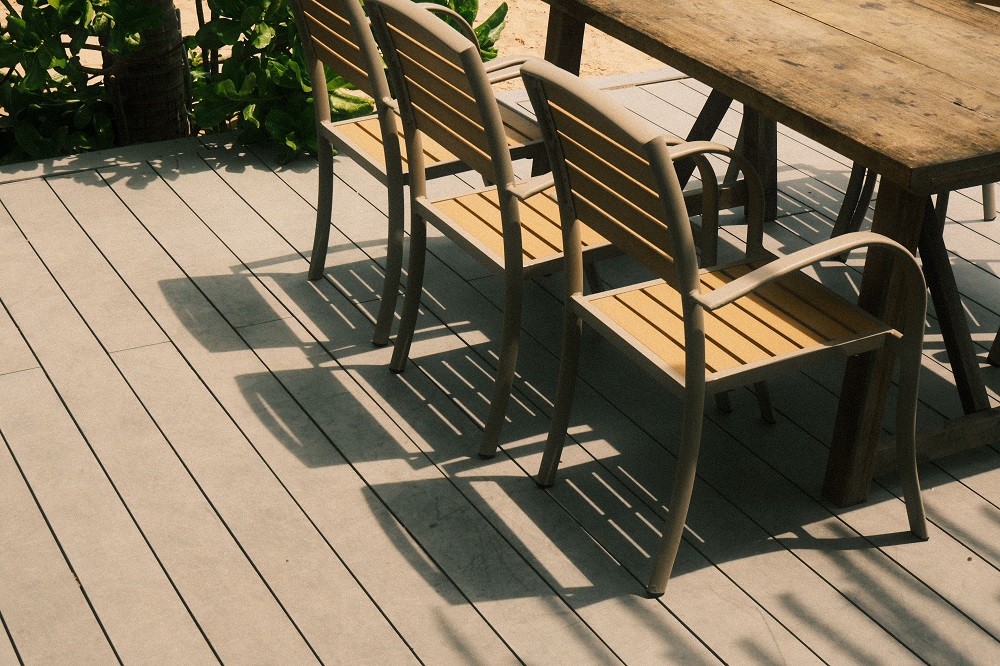
You start realizing that deck building is one of the most rewarding renovations you have done in your life. Besides, by adding this structure, you not only make the outdoor area of your home more usable but also increase its value as property. One of the questions that arise is what will be the cost of the construction project?
And that is where the deck cost calculator proves to be useful. Instead of calculating the costs, searching through the catalogue of suppliers, and receiving quotes from different contractors, the calculator does everything for you within several minutes. This article will provide you with information on the functions of deck cost calculator.
Why Deck Costs Are So Hard to Estimate
Decks appear to be simple constructions, just a flat construction surrounded by railings with the possibility of staircases. But, the calculation involved in the pricing can turn out to be fairly complex due to various factors that influence it.
- Size and shape: The cost difference between the conventional 10×10 deck and the multi-level curved deck is significant.
- Material choice:Interestingly, there seems to be quite a significant difference when it comes to the costs of pressure-treated wood, cedar, redwood, and composite decks.
- Substructure and footings: Soil composition, extent of freezing, as well as building code regulations, among other factors, will determine the number of concrete footings needed in the construction process.
- Labor rates: It varies a great deal depending on the region in question, and labor costs can constitute 40-60 percent of the entire cost.
- Add-ons:The cost of the railings, lights, pergola, skirting, and stairs will also be taken into account when computing the total cost.
- Permits and inspections: Many municipalities require permits for elevated structures, and fees vary widely.
This is the reason why when the homeowner asks the contractor the question “How much will my deck cost me?”, the answer he receives is vague. This problem can be solved by use of the deck cost estimator because it allows the user to enter his data and receive instant answers.
What a Deck Cost Calculator Actually Does
A deck cost calculator basically takes some input from you and multiplies it with the average unit cost to come up with an estimated total. However, the best deck cost calculators do not simply spit out one figure; rather, they divide the estimated cost into categories.
A typical deck cost calculator will ask for:
- Deck dimensions (length and width, or total square footage)
- Decking material (pressure-treated wood, cedar, composite, PVC, etc.)
- Height off the ground (which affects railing and footing requirements)
- Railing type and length
- Stairs (number of steps or flights)
- Additional features (built-in benches, lighting, pergolas, screening)
- Your zip code or region (to adjust for local material and labor pricing)
After all the details have been inputted in the program, the estimator needs to consider the market value of the current material that is being used in addition to considering the cost of labor for that specific area in calculating the estimation. The comparison of the materials is very easy using these types of calculators and one can easily compare the composite deck and pressure-treated wooden deck.
The Real Value: Comparing Materials Side by Side
The next advantage associated with the possibility of comparing construction materials for the deck pertains to the deck calculator. The pressure-treated lumber is the least expensive option because it is much cheaper compared to composite deck boards by the square foot. Nevertheless, the later material will last for a longer period and will not require any maintenance at all, no staining or sealing will be required, and it will never splinter or rot.
In order to calculate the exact price considering the cost of maintenance of the deck for 10 or even 15 years, the deck calculator should be used. In some cases, despite the fact that the price of wood is initially much cheaper, the final price of the deck will be almost equal to the price of composite boards.
How Accurate Are These Calculators?
It’s important to set realistic expectations. A deck cost calculator gives you a strong ballpark estimate, typically within 10-20% of what a contractor would eventually quote, assuming you input accurate measurements and realistic material choices. It is not a substitute for an in-person quote, especially for decks with:
- Steep or uneven terrain
- Difficult site access (backyard blocked by fences, tight side yards)
- Unusual shapes or multiple levels
- Local permit complications
That said, for planning purposes — deciding whether to build a 12×16 deck or a 12×20 deck, or whether composite is within budget — a calculator gives you more than enough information to plan intelligently and set a realistic budget before you ever call a contractor.
Step-by-Step: How to Use a Deck Cost Calculator Effectively
To get the most useful numbers out of any deck cost calculator, follow these steps:
1. Measure carefully. Even a rough sketch with approximate dimensions is better than guessing. If you already have a shape in mind, measure your yard and mark out the footprint with stakes or spray paint before estimating.
2. Decide on your must-haves first. Do you need built-in seating? A pergola for shade? Multiple levels? Add these into your calculation from the start rather than as an afterthought, since they can meaningfully shift your budget.
3. Compare at least two material options. Run the numbers for both a wood option and a composite option. Look at both the upfront cost and the long-term maintenance cost.
4. Factor in permits. Check with your local building department or add a placeholder line item (often $50-$500 depending on jurisdiction) for permit fees, since most calculators don’t automatically include this.
5. Add a contingency buffer. Experienced contractors typically recommend adding 10-15% on top of any estimate to account for unexpected site conditions, price fluctuations in lumber, or design changes mid-project.
6. Use the estimate to interview contractors. Walk into contractor conversations with your calculator estimate in hand. This helps you spot quotes that seem unusually high or suspiciously low, and gives you a stronger negotiating position.
Common Mistakes Homeowners Make When Estimating Deck Costs
Even with a good calculator, a few common mistakes can throw off your budget:
- Forgetting about footings and framing. Homeowners often price only the visible decking boards and railings, forgetting that the substructure (posts, beams, joists, concrete footings) can represent a third or more of total cost.
- Underestimating stairs. Stairs are surprisingly labor-intensive and often cost more per linear foot than the deck surface itself.
- Ignoring site prep. Uneven ground, removal of an old deck, or grading work adds cost that a basic calculator may not account for.
- Choosing materials based on price alone. The cheapest material upfront isn’t always the cheapest over time once maintenance and replacement cycles are considered.
Final Thoughts
Even though it is impossible for any cost calculator for deck building to be substituted for real-life estimate carried out by an expert contractor, you may still use such a calculator for getting a rough idea of something that would help answer the quite vague question of “what does it cost?”, giving you the specific number you can use when planning your budget.
No matter what type of deck you wish to build – be it a simple deck or a multi-level one with additional furniture and lighting – it is one of the best things you can do before starting the construction process.