Walk into any customer support queue in India, banking, e-commerce, or telecom, and you’ll notice something interesting. People rarely communicate in just one language. A customer may begin in English, shift to Hindi midway, and casually mix both while explaining a problem.
That is how conversations naturally happen across India.
Yet many AI chatbots still follow a rigid assumption: pick one language and stay in it. This results in a consumer experience that can frequently feel mechanical, detached, and excessively annoying.
With the internet user base in India expanding deeper into regional markets, Indian language support can no longer be seen by enterprises as a secondary feature. It has become an essential part of how modern consumer communication works.
Why Indian Language Support Is Important for AI Chatbots?
India’s digital economy is growing far beyond metro cities and English-speaking audiences. Millions of users coming online today are far more comfortable communicating in Hindi, Bengali, Tamil, Marathi, Telugu, Kannada, Punjabi, or Malayalam.
According to reports from the World Economic Forum and Deloitte, regional language users are driving the next wave of internet adoption in India. In many industries, they already represent the majority of new digital consumers.
This shift has changed customer expectations too. Users no longer want to adjust to technology. They expect technology to understand them in the language they naturally use every day. That expectation is reshaping how businesses build AI chatbots.
How Indians Actually Use AI Chatbots?
Many chatbot projects begin by deciding which languages to support first. But the better starting point is understanding how users already communicate online.
In customer service conversations across India, people seamlessly mix languages, rather than keeping them neatly separate. People talking about a delayed refund may probably mix Hindi and English casually in one message, as that is how they talk in daily life. Another client seeking to monitor a purchase might be writing the rest of the message in Hindi but using English product keywords.
None of these scenarios feels unusual to the customer. In fact, it feels normal.
That is why AI chatbots trained only in formal or textbook-style language often struggle in real conversations. Human communication is rarely perfect or structured. It is fast, emotional, mixed, and highly contextual.
Businesses that understand these factors early usually build far better customer experiences.
Best Way to Add Indian Languages to AI Chatbots
A common shortcut businesses use is translating customer messages into English, processing the intent, and then translating the response back into another language.
It works for simple interactions but typically loses conversational nuance. When conversations move through multiple translation layers, they can easily lose tone, urgency, and emotional context.
Modern AI chatbots perform far better when they rely on multilingual NLP models trained directly on Indian conversational data. The strongest systems are usually designed to:
- understand mixed-language conversations naturally instead of treating them as errors
- maintain conversational context even when users switch languages midway
- recognize informal phrasing and phonetic typing patterns commonly used in India
- respond in a tone that feels conversational instead of translated line by line
That difference becomes especially important in customer-facing industries where trust and clarity directly affect customer satisfaction.
Why Hinglish Support Matters in AI Chatbots?
Hinglish and code-switching dominate digital communication in India.
Most people don’t think about the language they are using when speaking online. They just talk in whatever combination seems easiest at the time. A consumer can use English for technical jargon and then switch to Hindi for swear words or urgent expressions.
This practice has now become a part of India’s internet communication style.
The AI chatbots that don’t grasp Hinglish typically lead to unpleasant exchanges where consumers feel confused. Conversely, systems that can engage in mixed-language discussions tend to be more natural and fluid.
Should AI Chatbots Support Hindi Scripts and Regional Scripts?
Yes, and it’s becoming more and more of a necessity.
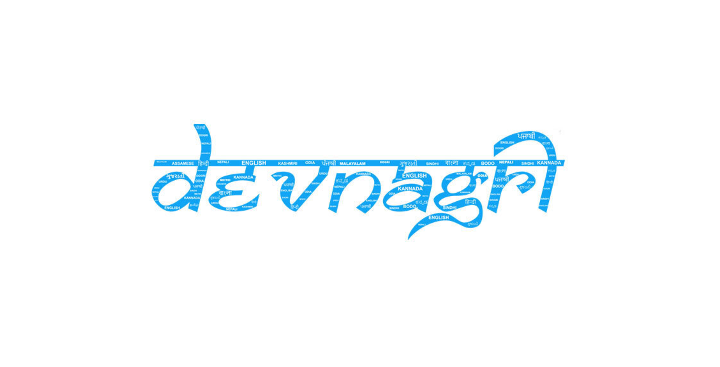
Some users prefer typing Hindi in English letters as it appears to be speedier on mobile keyboards. Some others prefer to read and write in native scripts like Devanagari (देवनागरी). Both behaviours are equally widespread in India.
“The best modern AI chatbots should adapt to the style of communication chosen by the customer, rather than limit users to a single format.
This is particularly vital in areas like banking, healthcare, telecom and public services, where clarity directly builds trust. When a chatbot speaks in a recognisable way and script, customers are far more inclined to engage.
In practice, though, excellent multilingual chatbot experiences tend to function effectively because they silently remove friction. The consumer does not have to consider settings or language selections at all times. It’s just a natural adaptation to the conversation.
Benefits of Indian Language AI Chatbots
The successful enabling of Indian languages on AI chatbots has allowed companies to benefit from enhanced consumer interaction and better accessibility in regional markets.
More importantly, clients are more comfortable working with systems that understand how they naturally communicate.” That comfort also builds trust, minimises friction, and can help you solve problems faster.
Multilingual assistance also opens up whole new client segments that many organisations have neglected with English-only digital experiences.
In a market as diverse as India, that advantage can become significant rapidly.
Tips to Build Better AI Chatbots for Indian Languages
Businesses planning to adopt multilingual AI chatbots should first focus on real conversational behaviour instead of theoretical language models.
That usually means:
- training systems using actual customer conversations instead of only translated datasets
- designing for mixed-language interactions from the beginning rather than treating them as edge cases later
- supporting both Roman text and native scripts depending on user preference
- and introducing regional voice support early because voice-first usage continues to grow rapidly across India
Most importantly, businesses should continuously test chatbot performance with users from different regions and language backgrounds. Real-world interactions almost always reveal gaps that internal testing misses.
Conclusion
India’s future digital conversations will not happen in English alone.
They will happen across multiple languages, scripts, accents, and conversational styles used naturally every day by millions of people.
The AI chatbots that succeed in India will not simply be the most advanced technically.
They will be the ones that understand how people actually communicate.
Read Also:How to Automate Multilingual Customer Support Using Language AI Chatbots?