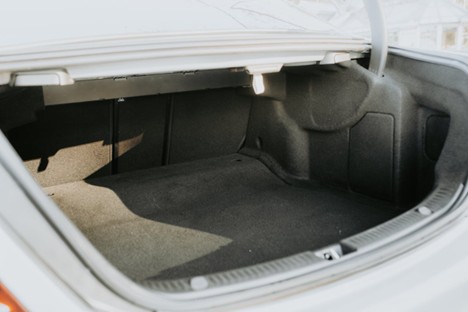
Cargo room is meant to make life easier. Whether you’re hauling tools, sports equipment, groceries or gear for a weekend project, the back of your vehicle should support what you do, not hold you back. But for many drivers, poorly organized or under-designed cargo areas quietly create daily frustration, safety risks, and unnecessary wear on the vehicle itself.
If things are always moving around, breaking, or hard to reach, your cargo space may be working against you. The good news is that small, deliberate improvements can change the way your vehicle performs – every day.
The Hidden Costs of Poor Cargo Organization
Disorganized cargo is not only a visual problem. It’s a financial one. Loose stuff slides, tips over or piles up on top of each other, making it harder to find what you need quickly. This means longer stops, repeated unloading and reloading and wasted effort during the day.
There’s a safety thing as well. Free-moving objects can become a hazard when the vehicle makes sudden stops or sharp turns. Even moderately heavy objects can be hurled forward with enough force to cause injury or damage. Movement, again, scrapes the interior surfaces, damages the trim, and wears away the flooring with time.
A bad cargo area adds friction to the daily routine that drivers often accept without knowing there’s a better way.
Weight Distribution and Vehicle Performance
Cargo placement is more than convenience; it has a direct effect on how your vehicle drives. This can lead to uneven weight distribution, less stable handling, a longer braking distance and increased stress on suspension parts.
Heavy items stacked unevenly or pushed against the tailgates and sidewalls can affect the balance of the vehicle. This is especially obvious in the trucks and larger vehicles, where the cargo areas are deliberately open and flexible.
Smart cargo management means well-distributed weight and secure cargo. Storing items in their place makes vehicles more predictable on the road and components undergo less stress in the long run.
Weather Exposure and Material Damage
Although the cargo space is often used as a storage area, not all storage conditions are equal. Open beds and poorly sealed cargo areas can allow rain, dust, UV rays and temperature swings to reach equipment and personal belongings.
Moisture intrusion causes rust on tools, warping of materials and electrical damage. Some materials will degrade over time and plastics will fade in the sun.” Items left directly on the floor, without airflow or protection, can damage even enclosed cargo areas.
Upgrades that offer separation, elevation, or weather protection help protect what you carry and extend the life of your vehicle’s interior surfaces.
Security Gaps You Might Be Overlooking
Cargo thieves don’t just go after valuable things; they also go after things that are easy to steal. When people leave tools, gear, and packages lying around, it’s easy for thieves to take them, especially when cars are parked overnight or left alone during the day.
Many drivers think that locking the car is enough, but cargo areas that aren’t locked are still at risk. You don’t always have to make big changes to make cargo safer. Lockable storage, covered compartments, and hidden organization systems make it much harder to see and get to things.
Integrated storage solutions like an F150 tool box can keep tools and other items safe while still being easy to get to. This lowers the risk of theft and makes life easier for truck owners.
Accessibility and Workflow Matter More Than You Think
Cargo space should fit the way you really use your car. If you have to take half of the cargo area out every time you want something, the space isn’t working well.
Poor access makes work take longer and puts more strain on the body. Over time, reaching over stacked items, lifting heavy loads, or climbing into cargo areas over and over again can hurt. Simple changes, such as vertical dividers, slide-out trays, or areas set aside for things you use a lot, can make things much easier to use.
When tools and gear are easy to see, reach, and use, tasks are easier and faster. This makes the vehicle an asset instead of a problem.
When Your Vehicle Outgrows Its Setup
Many problems with cargo happen not because the vehicle is wrong, but because it hasn’t changed to meet new needs. Things that worked when the car was new may not work with your current schedule, duties, or workload.
Cargo solutions should change as needs change. Vehicles can change without needing to be replaced thanks to modular systems, adjustable storage, and flexible layouts. The first step to making your cargo space better is to know when it’s getting in the way of your work.
Conclusion
If your cargo space seems messy, inconvenient, or dangerous, it’s probably hurting you more than you think. Disorganization, bad weight distribution, exposure to the elements, and security holes all make driving and owning a car more difficult.
Drivers can make use of wasted space by rethinking how they store, secure, and access cargo. The right upgrades not only keep your things safe, but they also make every trip easier, safer, and more efficient. Every day, you can see the difference when your cargo space works with you instead of against you.