Have you noticed your floors feeling a bit uneven lately? Perhaps your doors are sticking, or you’ve spotted some suspicious cracks creeping along your walls?
Restumping house foundations is one of those home maintenance tasks that many Aussie homeowners don’t think about until problems become impossible to ignore. Yet, it’s absolutely vital for keeping your property safe, stable, and valuable for years to come. Your home’s stumps are essentially the legs it stands on, and when they start to fail, everything above them suffers.
In this guide, we’ll explore everything you need to know about restumping. From spotting the warning signs to understanding costs, choosing the right contractor, and preparing your home for the work ahead, we’ve got you covered. Whether you’re dealing with an older property or simply want to stay ahead of potential issues, these tips will help you make informed decisions about protecting your biggest investment.
What Is Restumping And When Does Your House Need It?
Understanding The Basics Of Restumping House Foundations
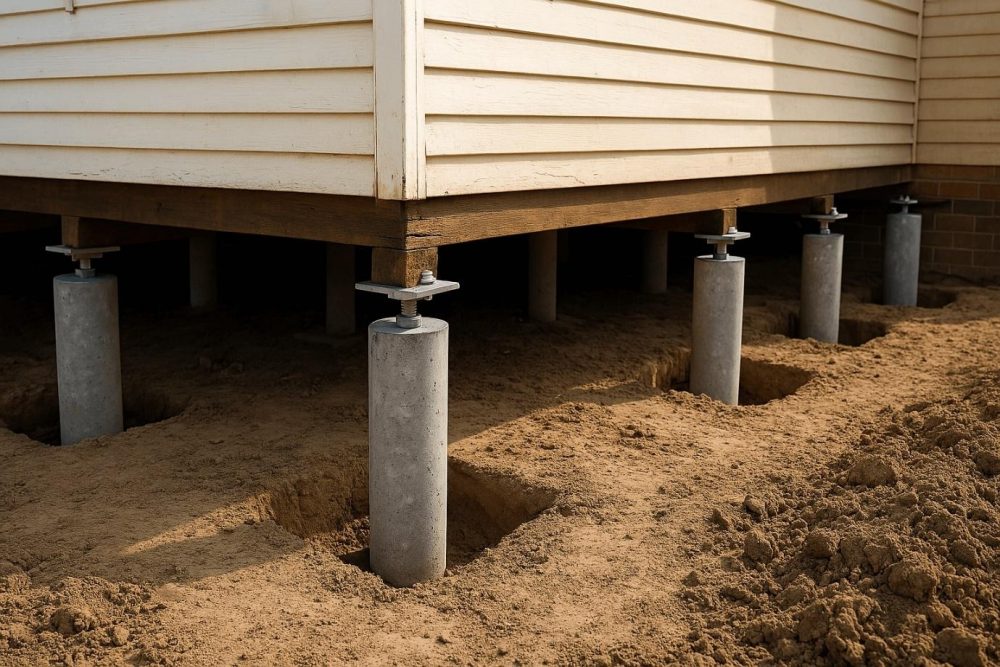
Restumping, sometimes called reblocking, involves replacing the old stumps that support your house with new ones. These stumps are the vertical supports that sit between your floor and the ground, holding your entire home up. Over time, they can deteriorate, shift, or sink, causing all sorts of structural headaches.
The process typically involves jacking up sections of your house, removing the damaged stumps, and installing fresh ones. It sounds dramatic, but experienced professionals make it look straightforward. Plus, it’s far less invasive than you might imagine.
Common Signs Your Home Needs Restumping
Keep an eye out for these telltale warning signs. Uneven or bouncy floors are often the first thing homeowners notice. You might feel like you’re walking on a slight slope, or certain spots might have more give than others.
Doors and windows that suddenly won’t close properly are another red flag. Cracks appearing in walls, particularly around door frames and windows, suggest movement in your foundations. You might also notice gaps between walls and ceilings or skirting boards pulling away from floors.
How Long Do House Stumps Typically Last?
Timber stumps, which were commonly used in older Australian homes, typically last between 15 to 25 years, depending on conditions. Concrete stumps can last 50 years or more, while steel stumps often come with even longer life expectancies.
However, these timeframes aren’t guaranteed. Soil conditions, moisture levels, and the quality of original installation all play a role. Regular inspections help you catch problems early.
What Are The Different Types Of House Stumps Available?
Timber Stumps: Pros And Cons
Timber stumps were the traditional choice for Australian homes. They’re relatively affordable upfront and easy to work with. However, they’re vulnerable to rot, termite damage, and moisture-related decay.
If you’re replacing stumps, timber is rarely recommended these days unless heritage requirements demand it. The ongoing maintenance and shorter lifespan make other options more cost-effective long-term.
Concrete Stumps: A Popular Choice
Concrete stumps have become the go-to option for most restumping projects. They’re resistant to termites and rot, offer excellent durability, and require minimal maintenance. Most concrete stumps last 50 years or more with proper installation.
The initial cost is higher than timber, but the longevity makes them better value. They’re also available in various sizes to suit different load requirements.
Steel Stumps: The Modern Alternative
Steel stumps, particularly galvanised options, represent the premium choice for restumping. They’re incredibly strong, adjustable after installation, and can last a lifetime when properly protected against rust.
If minor ground movement occurs, steel stumps can often be adjusted rather than replaced. The higher upfront cost pays off through flexibility and longevity.
How Long Does The Restumping Process Take?
The timeline depends on your home’s size and the project’s complexity. A straightforward job on a smaller home might take three to five days. Larger properties or those requiring extensive work could take two to three weeks.
Weather can cause delays, particularly heavy rain that makes working conditions unsafe. Your contractor should provide a realistic timeframe during the quoting process, along with explanations of factors that might extend it.
Choosing the Right Restumping Contractor
Essential Questions to Ask Before Hiring
Don’t be shy about asking potential contractors tough questions. How long have they been operating? Can they provide references from recent projects? What warranty do they offer on materials and workmanship?
Ask about their process for unexpected issues. What happens if they discover additional damage once work begins? Understanding this upfront prevents nasty surprises and helps you budget appropriately.
Licences and Insurance Requirements in Victoria
In Victoria, restumping contractors need appropriate building practitioner registration. Ask to see their credentials and verify them through the Victorian Building Authority. Don’t take their word for it – check independently.
Public liability insurance and workers’ compensation coverage are non-negotiable. Request certificates of currency for both. If a contractor can’t provide these documents readily, walk away.
What Happens If You Ignore Foundation Problems?
Putting off restumping might seem like a way to save money, but it’s a false economy. Foundation problems only worsen over time. What starts as minor floor unevenness can escalate to serious structural damage.
Cracks will widen and multiply. Doors and windows may become completely unusable. In severe cases, walls can shift significantly, and the cost of repairs multiplies dramatically. Plus, foundation issues must be disclosed when selling, potentially slashing your property’s value.
Preparing Your Home for Restumping Work
Before work begins, clear the areas around your home’s perimeter. Move garden furniture, pot plants, and anything else that might obstruct access. Inside, secure or remove fragile items from shelves and walls.
Disconnect any pipes or services running through the subfloor area if requested. Your contractor should provide specific preparation instructions, so follow their guidance carefully for the smoothest possible process.
Protecting Your Home’s Future
Restumping house foundations isn’t the most glamorous home improvement project, but it’s one of the most important for homeowners. With our local soil conditions and ageing housing stock, it’s a reality many of us will face sooner or later.
The key takeaway? Don’t ignore the warning signs. Those sticking doors, uneven floors, and mysterious cracks are your home trying to tell you something. Addressing foundation issues promptly saves money, stress, and protects your property’s value in the long run.
Take the time to research contractors thoroughly, understand your options, and get multiple quotes. Your home deserves the best care, and with the right approach, restumping ensures it stays safe, stable, and comfortable for decades to come. If you’ve spotted any concerning signs, why not book an inspection today? Your future self will thank you for it.