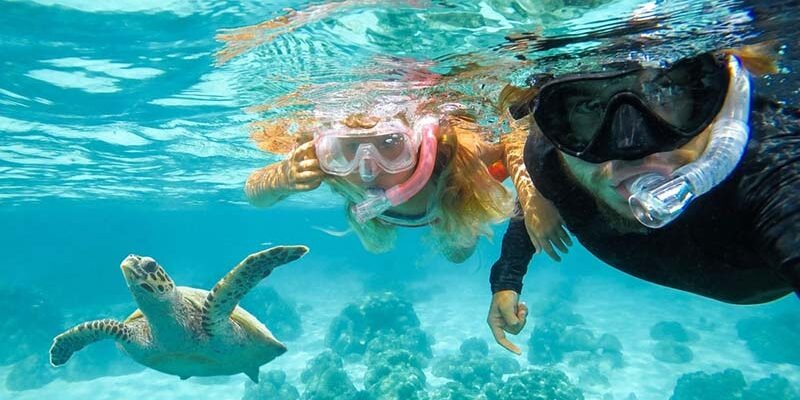
Quick Answer — What Is Turtle Town Maui?
Turtle Town Maui is a stretch of protected reef coastline in South Maui’s Makena area, sitting between Nahuna Point and Black Sand Beach. It’s where Hawaiian green sea turtles honu, in Hawaiian, show up with almost absurd reliability. The easiest place to get in the water is Maluaka Beach. Go between 7 and 10 in the morning, any month of the year, and you’re going to see turtles. Simple as that.
Why This Place Stopped Me in My Tracks
The first time I snorkeled Turtle Town, I drove past the turnoff twice. There’s no sign. No parking attendant. Just a church, a dirt lot, and a path that leads down to one of the quietest beaches on the island.
I remember thinking this can’t be it.
It was absolutely it.
Within fifteen minutes of getting in the water, I was floating two feet above a turtle the size of a coffee table, watching it graze on seaweed like it had nowhere to be and all the time in the world. Which, I suppose, it did. These animals live to 80 years old. They’ve been working this reef since before most of us were born.
Here’s the thing nobody really prepares you for: the turtles don’t react to you. At all. No flinching, no swimming away, no dramatic underwater eye contact moment. They just continue doing whatever they were doing, and you float there feeling like a very welcome piece of furniture. Honestly, it’s one of the stranger and more beautiful things I’ve experienced outdoors anywhere.
Turtle Town isn’t an official place name, no town sign, no city limit marker. It’s what locals and tour operators call the reef zone along the Makena coastline where honu gather in numbers that would seem exaggerated if you hadn’t seen it yourself. This guide is about understanding exactly why they’re there, when to show up, and how to find them without paying for a boat or getting lost in a parking lot twice like I did.
Where Turtle Town Actually Is (And How to Get There Without the Confusion)
Turtle Town Maui runs along South Maui’s Makena coastline roughly 1.5 miles of shallow lava reef between Nahuna Point to the north and Black Sand Beach to the south. It’s about a 35-minute drive from Kahului Airport and sits just beyond the resort corridor of Wailea, which means most tourists drive within a mile of it and have no idea it’s there.
The best entry point, the one I keep coming back to is Maluaka Beach. Some people call it Makena Beach, which adds to the confusion, but they’re the same place. It faces south, which means Haleakala volcano sits between it and the trade winds. The water stays calm here on days when the north shore is completely blown out. That matters a lot when you’re trying to see things underwater.
To get there: head south on Wailea Alanui Drive until it becomes Makena Alanui Drive. Turn right on Honoiki Street, follow it to the end, then left on Makena Road. You’ll see Keawala’i Church, an old stone building from 1832, genuinely worth a look on your right. The parking lot is across the street from it. Walk south down Makena Road for about two minutes and you’re at the beach. GPS is 20.6178°N, 156.4412°W if you want to be precise about it.
Free parking. Showers. Restrooms. No lifeguard, no food. Bring water because the walk back to the car in Maui heat is unpleasant when you’re dehydrated and salty.
Two other spots are worth knowing. Nahuna Point, at the northern edge of the zone, drops you directly onto some of the best coral structures on this stretch of coast. But the entry is over jagged lava rock, and I wouldn’t send a first-timer there without water shoes and some confidence. Makena Landing, a small boat ramp just north of Maluaka, is good if you’re paddling a kayak down to the reef or just want a different entry angle.
The Actual Reason Turtles Are Here (It’s Not an Accident)
Most snorkeling guides skip this part entirely. They tell you turtles are here and move on. But I think understanding why makes the whole experience land differently.
Green sea turtles don’t wander. They choose. And this reef gives them everything on their list.
Food, first. The shallow lava beds here are covered in limu, the Hawaiian word for seaweed and coral algae, which is basically the entire diet of an adult green sea turtle. They graze in two to eight feet of water. Sometimes less. Which is why the most common mistake snorkelers make is looking too deep. The turtles are often right there in the shallows, and people swim over them staring into the blue.
Then there are the cleaning stations specific coral heads where surgeonfish, yellow tang, and convict tang gather to pick parasites off turtle shells. It sounds made up, but watching it in person is genuinely one of the weirder things the ocean does. A turtle will park itself above one of these coral structures and just… wait. The fish do their thing. The turtle hovers, eyes half-closed, looking profoundly satisfied in the way that only very large, very old animals seem capable of.
The calm water here isn’t accidental either. Haleakala blocks the trade winds on this part of the coast in a way that creates a natural shelter. Calm water means turtles can feed close to shore without fighting surge, and it means you’ll actually be able to see them when you’re in the water.
And here’s the part that matters most for how you’ll experience this place: Hawaiian green sea turtles have been federally protected under the Endangered Species Act for decades. Because harassment is illegal and carries real consequences, these animals have had generations to stop fearing people. They’re not tame. They’re just not scared. That distinction, wild but unafraid is what makes Turtle Town feel unlike anywhere else.
When to Go, Down to the Hour
I’ll say it plainly: the time of day matters more than the time of year.
Get in the water between 7 AM and 10 AM. That’s the window. Morning light hits the water at an angle that makes everything below the surface pop colors sharper, visibility better, the difference between squinting through murk and floating above a television screen. The surface is calm before the afternoon trades arrive. The parking lot isn’t full. And the turtles are actively feeding, which means movement, which means sightings.
By 11 AM, the tour boats start anchoring nearby. By noon, afternoon winds chop up the surface. By 1 PM, you’re fighting for parking and the golden light is gone. The math on this one is pretty simple.
As for time of year turtles are genuinely present twelve months a year here, which puts Turtle Town Maui in a fairly elite category of snorkeling destinations. That said, April through June is hard to beat. Water clarity tends to peak in late spring, crowds haven’t yet hit their summer ceiling, and turtle activity is high. September and October are equally good and honestly more enjoyable if you want the beach mostly to yourself. November is underrated. Tourist numbers drop after Labor Day and the water stays warm enough that you don’t need a wetsuit.
July and August bring the most people and the most turtles in roughly equal measure. It’s still excellent snorkeling. Just go early and accept that you’ll have company.
Winter (December through March) is peak Maui tourism season, and the beach reflects that. The snorkeling is still very good. Occasionally you’ll get a south swell that stirs things up at Maluaka, which is unusual, but worth checking the surf report before you drive out.
How to Find the Turtles — The Part That Actually Matters
Let me be specific here, because this is where most guides go vague and most visitors go home having seen nothing.
Don’t get in the water at the first sandy patch you find. Walk south along Maluaka Beach until you reach the rocky outcropping at the far end of the sand. The reef starts there. The turtles concentrate there. Entering from the middle of the beach puts you over a stretch of open sand where nothing interesting lives, and you’ll spend twenty minutes wondering what everyone is talking about.
Once you’re at the south end, swim south. You’ll be following a lava reef slope that drops gradually from about three feet to twenty feet, a gentle ramp you can work at whatever depth feels comfortable. Go slowly. This is not a sprint.
Now. The most important thing I can tell you, and the thing almost nobody mentions: look shallow.
Green sea turtles feed and rest in absurdly shallow water. A turtle resting motionless on a lava ledge in four feet of water looks, from above, almost exactly like a dark rock. I’ve watched people careful, attentive, excited people with good masks and fins swim directly over turtles without registering them. Their eyes were pointed at the deep water six feet further down. Scan everything. Check every dark flat shape. Move your gaze from the reef floor up, not from the surface down.
Look for the cleaning stations too. A cluster of small fish hovering with unusual intensity above one specific coral head means something is happening there. Approach from the side never from directly above. Turtles spook from overhead approach the same way most animals spook from above, because that’s historically where threats come from.
And honestly, the most effective technique I’ve found is just to stop moving completely for a minute or two. Float. Breathe slowly. Let the reef settle back into its normal rhythms around you. You’ll see things appear that weren’t there before because they were there all along, just waiting for you to calm down.
Gear — What You Actually Need vs. What You Don’t
Your mask is everything. Not a metaphor literally the single piece of gear that determines whether this is a transformative experience or an annoying wet morning.
A mask that doesn’t seal properly will flood every few minutes. You’ll spend the session clearing it instead of watching anything, and no amount of reef will compensate for that particular frustration. If you’re renting gear in Kihei or Wailea (both are close, maybe fifteen minutes away), test the mask at the shop before you pay. Press it against your face without the strap and inhale through your nose. If it holds suction against your skin, it seals. If it falls off, try another. Nobody at a rental shop will think you’re weird for doing this. They’ve seen everything.
Deciding between a traditional two-piece mask setup or a full-face design? It’s genuinely not obvious, and the answer depends on your experience level and what you’re comfortable with. We’ve gone through both options in detail pros, safety concerns, fit issues in our breakdown of are full face snorkel masks better. Worth ten minutes of reading before you buy or rent anything.
For fins, open-heel adjustable fins are the most practical choice for Maluaka’s lava rock entry. Keep your kicks small and controlled near the reef a careless fin strike kills coral polyps and stirs up silt that ruins visibility for the ten people behind you.
Sunscreen: Hawaii law now prohibits sunscreens with oxybenzone and octinoxate. Not a guideline to actual law. Use zinc oxide mineral sunscreen, or even better, wear a UPF 50+ rash guard and sidestep the whole issue. A rash guard also handles the jellyfish question, because small ones occasionally drift through this stretch of coast and the sting, while minor, is unpleasant enough to cut a good session short.
For a full breakdown of what to pack, what to wear in the water, and what you’ll regret leaving in the car our what to wear snorkeling guide covers all of it for a Maui-specific trip.
Bring an underwater camera if you have access to one. A GoPro or the Olympus Tough TG series works brilliantly here, no housing required. The shots you’ll get at Turtle Town turtles grazing three feet below you, fish cleaning a shell the size of a dinner tray are the kind of photos that make people ask where you went.
Tour vs. DIY — My Actual Opinion
I think guided boat tours are genuinely great for certain things. Molokini Crater, the outer reef, a combined day-trip that covers multiple spots, yes, absolutely, take the tour. Pride of Maui, Maui Adventure Tours Kayak & Snorkeling Co., Quicksilver, and Trilogy Excursions all run reputable Turtle Town routes and they know what they’re doing.
But for Turtle Town itself, from shore, early in the morning? DIY wins. Every time, in my experience.
Here’s the problem with boats: they can’t give you timing control. Tour boats arrive mid-morning, after the prime window has already peaked. You’re anchored where the captain anchors. You’re in the water when the crew says go out when the schedule says stop. And you’re paying $100 to $150 for the privilege of snorkeling during the second-best part of the day.
Shore snorkeling from Maluaka at 7 AM costs nothing. The reef is the same reef. The turtles are the same turtles. And you can stay until the light changes and the beach starts filling up, which is a kind of freedom that no tour schedule can replicate.
Some people will argue that boats reach areas shore snorkelers can’t access. True. But for Turtle Town specifically, the best snorkeling is within easy swimming distance of the beach. You don’t need a boat to get there.
The Rules — And Why They’re Not Negotiable
Hawaiian green sea turtles are protected under the federal Endangered Species Act and Hawaii state wildlife law. The legal minimum distance is ten feet. You cannot touch them, chase them, feed them, or block their path to the surface.
Violations carry fines up to $50,000. But honestly the fine is secondary. Chronic stress from repeated human contact suppresses turtle immune systems, making them more vulnerable to fibropapillomatosis, a tumor disease that’s already spreading through Hawaiian honu populations at a concerning rate. Your behavior in the water has a direct, measurable effect on whether these animals stay healthy. That’s worth sitting with for a moment.
If you see a turtle that looks injured, entangled, or visibly unwell don’t try to help it yourself. Call NOAA’s Hawaiian Islands Stranding Response: 1-888-256-9840.
What Else Is Out Here
Keawala’i Church, right across from the parking lot, is worth five minutes before or after your snorkel. Built in 1832, it’s one of the oldest standing buildings on Maui, and the cemetery behind it has headstones dating back nearly two centuries. It’s quiet and a little sobering in the best way, a reminder that this corner of the island has a long history that predates the resort corridor by a considerable stretch.
Big Beach is about a half-mile south and physically beautiful in a way that’s hard to describe until you see it. Don’t snorkel there. The shore break is powerful enough to have sent people to the hospital, and it doesn’t look nearly as dangerous as it is. Walk down for the view, swim somewhere else.
Ahihi-Kinau Natural Area Reserve is further south and holds some of the most pristine reefs on Maui. Access has been regulated in recent years and permit requirements have shifted check current DLNR guidelines before planning a visit, because the rules genuinely do change.
Ten Things I’d Actually Tell a Friend
Arrive before 8 AM and don’t negotiate with yourself on this one. Walking to the south end of the beach before you get in skipping this step is the single most common reason people don’t see turtles. Check the surf report the night before, especially in winter. Anti-fog your mask every session, not just the first one. Look shallow before you look deep. Approach cleaning stations from the side. Stay horizontal and breathe slowly you’ll see twice as much. Wear something bright because turtles do seem genuinely curious about vivid colors (I can’t explain this scientifically but I’ve seen it too many times to dismiss it). Bring your own food and water because there’s nothing at the beach. And if the first ten minutes are quiet, don’t give up and keep moving south along the reef. Every session I’ve ever had at Turtle Town that started slow eventually delivered something worth the patience.
Frequently Asked Questions
Is Turtle Town Maui an actual town?
Nope. Not even close. There’s no mayor, no zip code, no “Welcome to Turtle Town” sign on the highway. Someone probably a local dive operator decades ago started calling this stretch of Makena reef “Turtle Town” because turtles showed up there constantly, and the name just… spread. Tour brochures picked it up, TripAdvisor ran with it, and now half the visitors to South Maui think they’re going to an actual place. You’re going to a reef. A really, really good reef. Nearest actual town is Wailea, three miles north, and even that’s mostly hotels and a Starbucks.
What’s the difference between Turtle Town and Maluaka Beach?
Okay so Turtle Town is the whole reef zone, maybe 1.5 miles of coastline running between Nahuna Point and Black Sand Beach. Maluaka Beach is just one beach sitting inside that zone. It’s the most popular entry point because of its easy sandy bottom, calm water, and free parking nearby. Most people use “Turtle Town” and “Maluaka Beach” like they mean the same thing, and look, they’re not wrong enough for it to matter. You’ll end up at the same reef either way.
Is it safe for beginners?
Short answer — yes, usually. Longer answer — it depends on the day and honestly on you.
Maluaka is about as forgiving as Maui snorkeling gets. Sandy entry, no serious current most days, gradual reef slope. I’ve seen total beginners have incredible sessions there. But there’s no lifeguard, nobody’s watching out for you, and ocean conditions change. Some mornings it’s glassy and perfect. Other mornings there’s a south swell pushing through and the entry gets surgy and weird. Check conditions before you go. The iWindsurf app is free and accurate. Bring a snorkel vest if open water makes you anxious. Go with someone. Those three things cover most of the risk for a beginner.
Can I see turtles from shore without snorkeling?
Sometimes, sure. They surface near the south end rocks occasionally and you can spot them from the beach. But I say this as someone who’s done both watching a turtle from shore and floating two feet above one underwater are completely different experiences. One is a nature sighting. The other is something that kind of rewires how you think about sharing a planet with other animals. If snorkeling is at all possible for you, do it. The shore view doesn’t come close.
Is it legal to swim near sea turtles in Maui?
Yes, with a hard line at ten feet. Stay ten feet away, don’t touch them, don’t chase them, don’t feed them, don’t get between them and the surface they breathe air and a blocked path to the surface is genuinely dangerous for them. Cross that line and you’re looking at federal Endangered Species Act violations. Fines go up to $50,000 and they’re not kidding about that number.
Practically speaking though the turtles will close the distance themselves if you’re calm and non-threatening. A turtle that chooses to swim toward you is a completely different experience than one you chased down. Be still. Let them decide. They usually decide in your favor if you’re not being weird about it.
When do the most turtles show up at Turtle Town?
They’re there year-round, which already puts Turtle Town ahead of most wildlife destinations. Peak conditions in my experience are April through June visibility is excellent, crowds haven’t hit summer levels yet, turtles are active and feeding. September and October are equally good, maybe better, because the beach gets genuinely quiet after Labor Day while the water stays warm and clear.
Summer is busy. Turtles are still there, water’s still warm, but you’re sharing the reef with significantly more people. Winter is fine for snorkeling, though occasional south swells can stir things up at Maluaka on some days. Worth checking conditions the night before if you’re visiting December through March.
Is parking free at Maluaka Beach?
Free, yes. Two lots, one across from Keawala’i Church on Makena Road, one slightly further south. Combined they hold maybe 40-50 cars. On a summer weekend that sounds like more than enough until you show up at 9 AM and find both lots full with people circling. Not exaggerating. I’ve seen it.
Get there before 8. Ideally before 7:30. You’ll park easily, the beach will be quiet, and you’ll be in the water during the best light of the day. Sleep in and you’re solving two problems instead of one.
What else will I see besides turtles?
More than you’re expecting, genuinely. Parrotfish are everywhere you can hear them crunching coral before you see them. Moorish idols, surgeonfish, butterflyfish doing laps around the same coral heads. The Humuhumunukunukuapua’a Hawaii’s state fish, yes that’s really its name, no I can’t say it fast either pokes around the shallower sections. Moray eels tuck into lava crevices and stare at you with that expression they have, which is deeply unsettling until you realize they’re basically harmless. Spotted eagle rays glide through the mid-water column every now and then and every single time it feels like a gift. Octopus are present but invisible most of the time camouflage so good it’s almost offensive.
And then in winter, this happens sometimes: you’re floating along, reef below you, thinking about nothing in particular, and you start hearing this low resonant sound coming up through the water. Deep. Patterned. Coming from everywhere and nowhere. Humpback whales, singing somewhere offshore. You can’t see them. You don’t need to. That sound alone is worth the plane ticket to Maui.
The Bottom Line
Turtle Town Maui is free. No boat, no ticket, no tour package, no certification. Just an early alarm, a parking lot across from a nineteenth-century church, and a short walk to one of the most reliably extraordinary snorkeling experiences in the Pacific.
The turtles will be there. They’re always there.
Go early. Move slowly. Don’t touch anything. And when a honu the size of a dining room chair drifts past you on its way up for air close enough that you can see the individual scales on its neck, close enough that you instinctively hold your breath just let it happen.
Some mornings in the water stay with you. This is one of those mornings.