Trading Gaming Cards (TCGs) are experiencing a global resurgence, with titles like Magic: The Gathering and the Pokémon Trading Card Game driving record participation at both local game stores and major tournaments. Beyond the surge in events and sales, however, a more compelling question is emerging: what impact is this growth having on the players themselves?
It turns out that TCG communities help people make meaningful connections, and many players are finding deep psychological and emotional value in their participation. TCG communities, flawed as they can be, might be a cornerstone for helping individuals find a place to belong that offers real improvements to their quality of life.
Take a few minutes to understand these communities and how and why they are reshaping modern ideas of human connection and forging friendships.
TCGs Are Inherently Physical
Before diving into this topic, let’s all acknowledge the elephant in the room. Modern TCGs exist in digital spaces. In many cases, players engage with online TCGs more than with in-person, physical interactions.
Even with the rise of digital card games, physical TCG attendance has continued to increase since 2020. This includes local scenes and major tournaments across a number of different games. For example, the 2025 Pokemon World Championships had over 25,000 attendees, shattering records. One Piece singles are practically a new hard currency at this point.
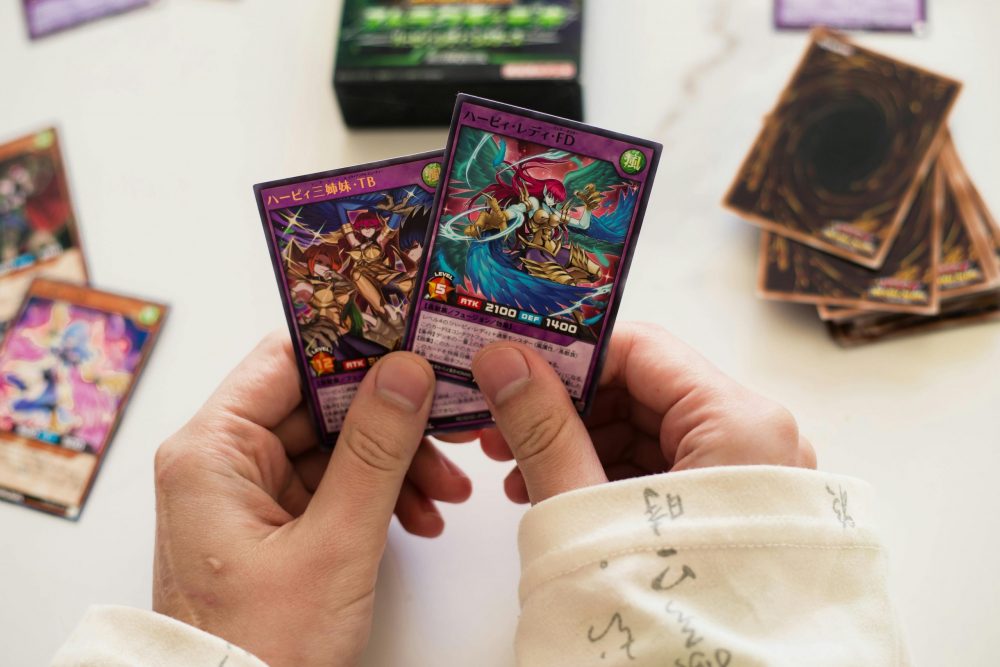
At the end of the day, TCGs have an inherent physical quality. There’s something about holding the cards in your hand and sitting across a table from your opponent that has and continues to appeal to players. The feel of the mat, creative card sleeves, and iconic TCG accessories help build an atmosphere that a digital environment struggles to match.
Trading cards with other players and collectors is a major part of the scene, with everyone bringing binders and trying to complete decks or collections.
Engaging with TCGs fosters human activity by the very nature of how they work, and that can lead to friendships, communities, and a host of positive interactions that get people away from screens and help them make memories.
Breaking Out of Isolation
Many TCG players and collectors find value in the human component. It’s why local card shops have continued to host events and tournaments over the decades.
For the modern TCG, many players first interact with a game digitally. Online versions are often more accessible and an easier entry point for any one game.
But as fans interact digitally, many find themselves drawn to the local space. Whether they want to win a major tournament or just meet other fans of the game, digital spaces serve as funnels that continuously bring new people into the in-person spaces.
As that happens, the value of human connections keeps people coming back.
Good Old Fashioned Friendships
In a digital society, it can be difficult to make in-person friends. TCG environments allow people to meet, and they already have shared interests.
This streamlines connections and interactions, enabling people to forge bonds and make friends. That is seen less commonly in purely digital environments.
At the heart of it all, the local card shop and tournament venues physically bring people together. The nature of the events fosters communication, and that’s where bonds are formed.
TCGs are bringing people together, and they’re making genuine, lifelong friendships as a result.
Safe Spaces
For many people, the local card shop is a safe space. By all means, each venue is its own place, and there are no guarantees that any one shop will be safe or accepting. TCG communities are large, and bad groups and environments do exist.
Despite that, it’s common for players to find comfort and a sense of safety at their local shops. These venues become community hubs, making them accessible to newcomers and enabling more connections.
Healthy local communities encourage new players and open spaces to a range of ages and backgrounds.
The result is a shared space where people voluntarily come together for the sole purpose of interacting. It’s purely social, and it seems to be the kind of space that gets harder to find in modern society.
Valuable Connections Through TCGs
Even if TCGs are physically bringing people together, does that actually matter?
The short answer is yes.
TCG events can help people improve social skills. Players have to communicate in order to play the game. Each local community has its own microculture, and players have to navigate that.
In addition to socialization, players have to learn how to win and lose in front of one another. That takes emotional regulation and self-control.
All of these are traits worth developing, and they are traits that modern society seems to struggle with more and more.
TCGs are helping people through socialization, building their confidence and emotional intelligence, all while introducing them to lifelong friends. These communities are precious, powerful, and just the thing to help a large group of people lead more fulfilling lives.