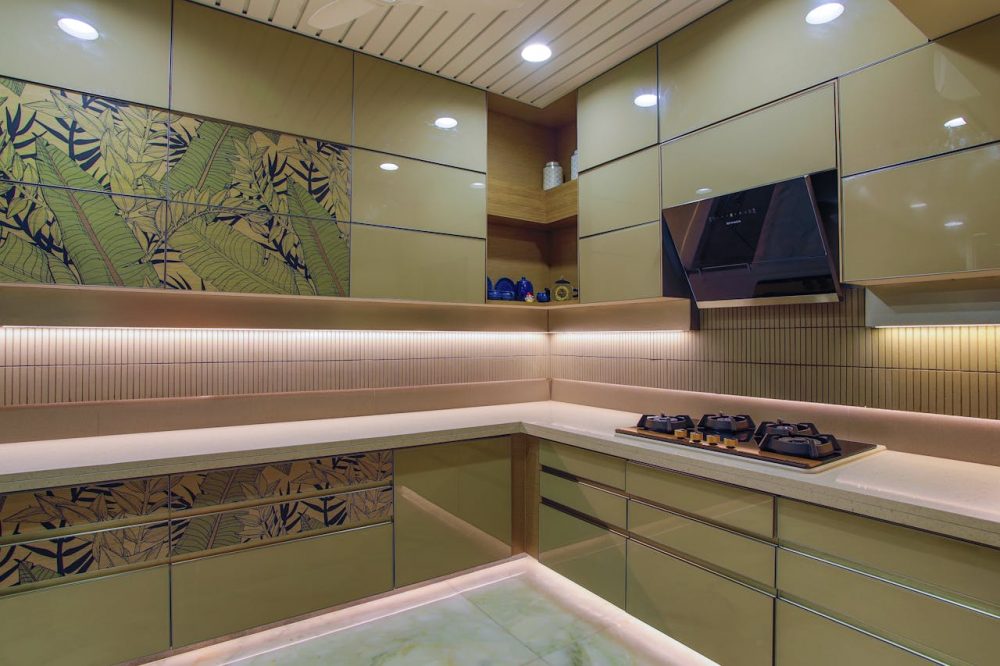
Older kitchens usually start with solid structure – yet faded surfaces, clumsy cabinets, mismatched fixtures drag them down. Here’s the upside: tearing everything out isn’t the only path forward. Small changes, thoughtfully chosen, bring freshness, smoother daily use, greater buyer interest, all while staying within limits. What follows walks through updating a dated cooking area, mixing smart buys with clever cuts to get lasting impact.
Start With Layout and Functionality
Start with a check to gauge how smoothly a kitchen functions. Older setups often feel tight, with clunky traffic paths and not enough space to store things. When cupboards get in the way or the stove sits in a bad spot, fix the layout ahead of anything else. A smarter flow plus dedicated spots for chopping, washing, and cooking changes far more than paint or new handles ever could.
A shift in layout might make more difference than expected. Take out an unnecessary wall, stretch a door opening, or slip in a small countertop extension – each tweak could boost how well the space works. When cash goes into these kinds of updates, it tends to return value. Life flows better when things fit smoothly.
Where to Invest: Cabinet Quality and Storage
Most eyes land on kitchen cupboards first, they also get used more than almost anything else there. When old ones wobble, sag, or just won’t open right, swapping them out might make sense. Tough wood or solid laminate holds up better over time.
What really helps? Swapping old cabinets for deep drawers. If your cabinets are still solid, refacing doors or repainting boxes can be a lower-cost alternative. Pair refreshed cabinets with updated handles for a dramatic improvement. During appliance updates, selecting efficient models such as a Bellini dishwasher can also help modernize everyday performance while complementing new cabinetry.
Where to Save: Cosmetic Finishes
Not every surface needs luxury materials. Backsplashes, wall paint, and decorative hardware can create a premium look without premium pricing. Subway tiles, porcelain splashbacks, and peel-and-stick mockups for planning can all be budget-friendly options.
Paint is especially powerful. A fresh neutral palette can brighten dark timber kitchens and make small rooms feel larger. Because paint is relatively inexpensive compared with joinery or stonework, it delivers one of the highest returns on investment.
Where to Invest: Countertops and Work Surfaces
Every day, countertops face spills, scrapes, cuts, and hot pans. When tiny marks pile up, the whole room feels older fast. Tough options like quartz composite, high-grade plastic layers, or seamless resin tops handle years of mess without showing every flaw. Long-term, picking something strong usually pays off.
A well-chosen countertop can quietly lift the look of an entire space. Smooth lines, matching textures, and harmonized tones give off a current, put-together feel. When funds are limited, save high-end materials for central work zones like islands, applying simpler options in less prominent spots.
Where to Save: Trend-Driven Details
Fast changes mark today’s styles. Patterns that shout for attention, shades too precise, or quirky pieces often look old fast. Money stays safer when basics stay calm; let changeable items carry the new. Timeless bones with trendy touches balance cost and current looks.
Bar stools, rugs, artwork, fruit bowls, and small appliances can deliver personality without locking you into an expensive style choice. This approach lets you refresh the kitchen seasonally or whenever tastes change.
Where to Invest: Lighting and Electrical Updates
Lighting tends to be weak in older kitchens, with too few electrical points. Money spent here makes a real difference. Better illumination lifts how things look while keeping people safe. Start overhead, then add light beneath wall cabinets – finish off with pendants above counters or tables.
Out here, homes today demand extra spots to plug in devices – way beyond what old kitchen setups offered. Rewiring with better outlets and smarter switch locations means less tangle from power strips hanging around.
Where to Save: Keep What Still Works
One of the easiest ways to control renovation costs is to preserve elements that remain functional and attractive. Existing flooring, cabinet boxes, or wall ovens may not need immediate replacement. Refinishing timber floors or regrouting tiles can dramatically improve appearance for far less than installing new materials.
Likewise, if plumbing locations are workable, keep sinks and dishwashers in their current positions. Moving plumbing and gas lines can consume a renovation budget quickly.
Final Thoughts
Updating an old kitchen isn’t about bigger budgets; it’s about smarter choices. Focus money where it matters – design flow, storage units, work surfaces, and wiring – since those define how well things run day after day. Mix thoughtful buys with careful cuts, then what emerges stays fresh, works smoothly, lasts long, lifts worth too.