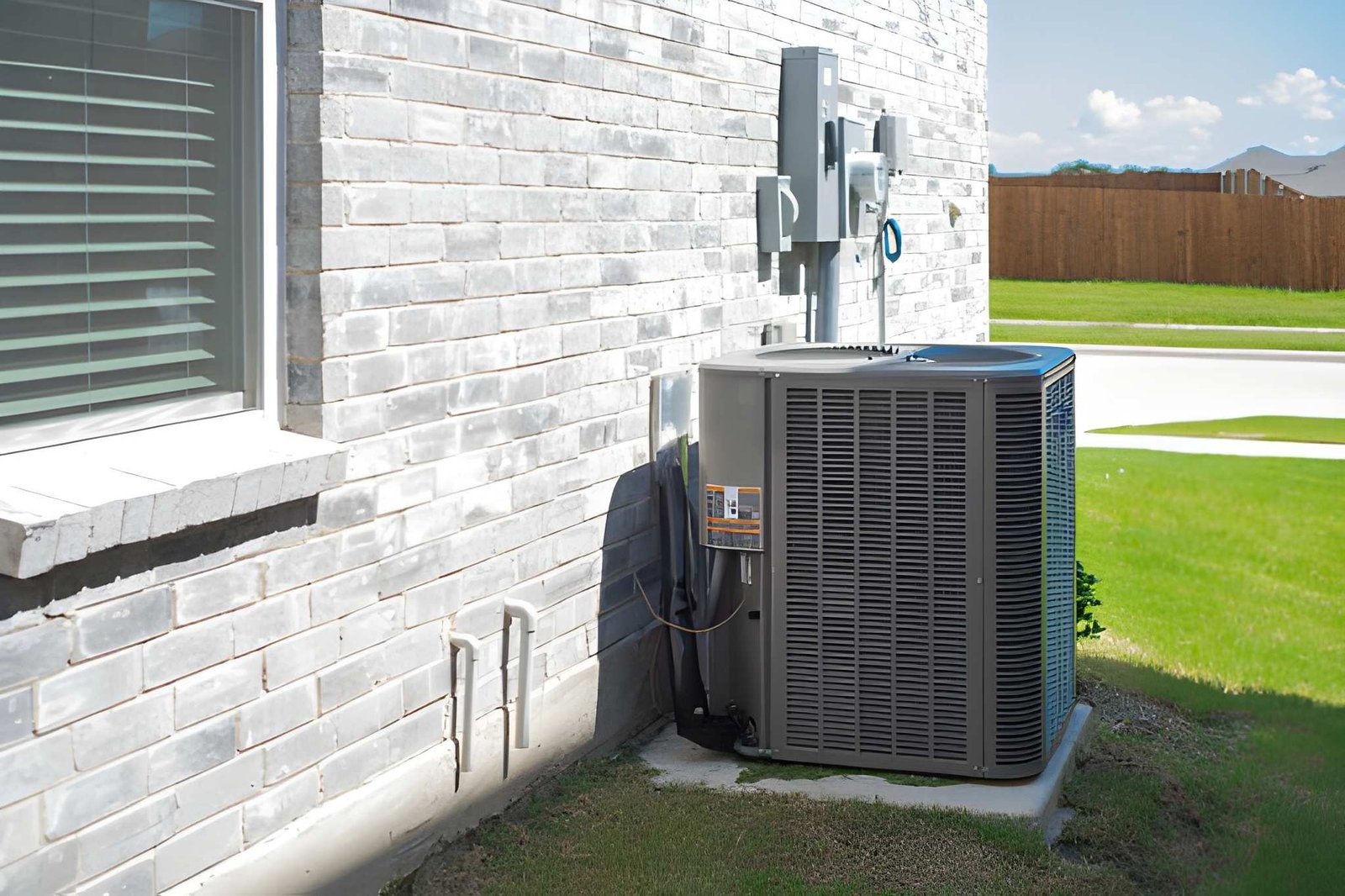
Here’s something that surprises a lot of newcomers to Dubai: if you install an AC unit in London or Sydney, you can count on it lasting anywhere from 15 to 20 years before you’re hit with a big repair bill. Stick that same unit in a Dubai villa and, more often than not, you’ll be lucky if it survives seven years.
Seven years. In some cases, less.
The compressor is usually what goes first. And once the compressor fails, you’re not looking at a minor repair. You’re looking at a bill that can approach the cost of a new unit entirely, or a decision about whether the system is worth saving at all.
It’s not just a technical curiosity—understanding why this happens actually helps you avoid expensive screw-ups. Most compressor failures in Dubai aren’t just bad luck; people could’ve seen them coming.
What the Compressor Really Does (And Why Heat Is Its Worst Enemy)
Think of the compressor as the heart of your AC. It squeezes the refrigerant and keeps the whole heat-exchange cycle going—absorbing warmth inside and pumping it outdoors. If the compressor quits, the AC is done, plain and simple.
When you live in a mild climate, your AC gets breaks. Nights cool off, you might not need it for months, and the components all get a chance to rest. Dubai doesn’t cut your system any slack. The summer sun routinely pushes the mercury past 45°C during the day, and it barely cools off overnight. Residential AC units often run 18 to 20 hours a day, day after day, with no break in sight. The compressor’s working overtime, every single day.
Continuous operation under high ambient heat does a few specific things to a compressor. The refrigerant oil that lubricates internal parts degrades faster. Seals under constant thermal expansion and contraction start to weaken. The motor windings that drive the compressor run hotter and experience accelerated electrical wear. Each of these things shortens the component’s life in ways that compound over time.
The Three Most Common Routes to Compressor Failure in Dubai
Dirty Outdoor Coils and Blocked Heat Dissipation
The outdoor condenser coil is supposed to dump all the heat your AC pulls from inside out into the air. But Dubai’s desert throws dust, sand, and sometimes salt at the unit nonstop. When the coil gets caked in grime, it can’t release heat properly. Suddenly, the refrigerant gets hotter, system pressure climbs, and your compressor has to kick into high gear to keep up.
And it happens fast. Fine sand sticks to these units in no time. Skip a few cleanings, and your condenser’s efficiency tanks. If you live near the coast, add salty air to the mix and those fins start corroding, making the problem even worse.
AC cleaning in Dubai is one of the most direct ways to protect the compressor from this kind of slow, accumulating damage. Chemical coil cleaning removes the buildup that standard filter maintenance doesn’t address.
Low Refrigerant? That’s Trouble.
AC refrigerant shouldn’t disappear in a healthy system. If it’s low, there’s a leak, end of story. In Dubai’s heat, that’s a big problem—even a small drop makes the compressor’s life a lot harder.
Low refrigerant means the compressor has to grind away longer and harder to move less thermal energy. It overheats. Lubricating oil doesn’t circulate right, because the refrigerant helps move the oil around. Over time, this recipe burns out compressors.
The catch is, leaks don’t always make themselves obvious. Often the first sign is when you notice the AC just can’t keep up anymore. By then, the compressor’s already straining. The only way to catch this early? Regular, professional pressure testing.
Clogged Filters? Your Compressor Pays the Price.
If your air filter clogs up, less air flows through your AC’s evaporator coil. That means it can’t pull as much heat out of the indoor air, and the refrigerant stays colder than it should. Sometimes, liquid refrigerant makes it back to the compressor instead of vapor—this “liquid slugging” can wreck its internal parts.
The reality? In Dubai, filters fill up way faster than the manufacturer expects. Standard maintenance schedules from Europe or North America don’t cut it here. In this dusty, always-on environment, checking and cleaning your filters every few weeks in summer is simply common sense.
Why the Problem Escalates So Quickly Here
In a milder climate, a small refrigerant undercharge or slightly dirty coil might reduce efficiency gradually over months. The system compensates, performance dips a little, and there’s time to catch it before anything fails catastrophically.
Dubai doesn’t offer that buffer.
When outdoor temperatures are already at or above the design limits for most residential AC units, any reduction in system efficiency gets amplified immediately. The compressor has no headroom left. It’s already running near its operational ceiling. Add a dirty coil, low refrigerant, or restricted airflow, and something that would be a minor inefficiency elsewhere becomes a breakdown risk within days.
This is why so many compressor failures in Dubai happen in June and July specifically. The unit wasn’t actually fine before summer. It was operating with underlying problems that the moderate spring temperatures were masking. Then the heat arrived, the system hit its limits, and the compressor gave out.
What Good Preventive Maintenance Actually Covers
The term “AC maintenance” gets used loosely, and not every service visit covers the same ground. A proper preventive service for a Dubai property should include chemical coil cleaning on both the evaporator and condenser, refrigerant pressure testing, drain line flushing, electrical terminal inspection, thermostat calibration, and a full performance check at the end to confirm the system is hitting its rated cooling output.
That’s the difference between a surface-level clean and a service that actually protects the compressor.
Companies like GeeM Home, a home maintenance company with decades of experience and tens of thousands of jobs under their belt in Dubai, stick to a pretty strict schedule. Their certified HVAC techs handle anything from split systems to central AC. Industry-wide, the advice in Dubai lines up: service every three or four months. Not once or twice a year like you might hear back home. And if your unit’s older or your place is full of people, ramp that up.
The Cost Argument for Staying Ahead of This
Compressor replacements in Dubai generally cost AED 2,000 or more, depending on the unit type and brand. For premium or commercial systems, that number climbs higher. A routine service visit is a fraction of that.
There’s a hidden cost people miss: power usage. If your AC’s straining, it gulps way more electricity to try to hit the same temperature. DEWA’s own numbers show that a neglected system wastes 30 to 40 percent more power than one that’s serviced right. With a whole villa running several split units in the summer, this easily adds up to hundreds of extra dirhams each month. And with DEWA’s tiered billing, high usage punishes you even more.
So an ignored maintenance visit doesn’t just increase the risk of a compressor failure. It costs money continuously, every month, even if the system keeps running.
Warning Signs Your Compressor’s In Trouble
Not every compressor throws a fit when it’s struggling. Often, it just gets less effective, and you won’t spot it right away. But these clues are worth your attention:
- The AC runs longer just to reach the temperature you set Rooms that used to cool down fast start taking forever, especially in the afternoon
- The outdoor unit feels really hot to the touch, or starts making weird sounds—grinding, rattling, that sort of thing
- Your DEWA bill jumps, even though your habits haven’t changed
- The unit keeps flipping on and off in quick bursts, instead of cooling in smooth cycles
Any of these, in most cases, point to a system that’s working harder than it should. A professional inspection for AC repair in Dubai can determine whether the compressor is genuinely at risk or whether a more straightforward fix, like a refrigerant top-up or a coil clean, is all that’s needed.