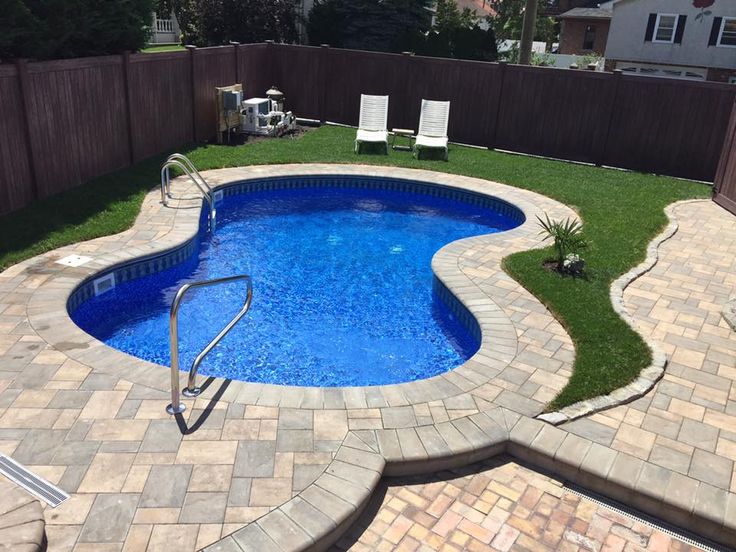
A pool in the backyard sounds fun. But before the digging begins, many homeowners forget about one important step: getting permits.
Inground pool installation is a construction project that involves excavation, electrical systems, plumbing lines, and safety regulations. Consequently, municipalities enforce strict regulations.
This guide will outline the precise permits required for your project and detail how an experienced Miami pool contractor manages the complete permitting process on your behalf.
Building Permit
A building permit shows that your pool design meets the city’s approved structural and engineering standards. Officials look over:
- Size and depth of the pool
- Design of the shell’s structure
- Plans for digging and the state of the soil
- Distance from your home to the property lines
- Engineering drawings
Electrical Permit
Water and electricity are a dangerous mix. So, the swimming pool construction must follow the NEC Article 680 (National Electrical Code). Have a look at its main requirements:
- Bonding Grid: You must install an 8 AWG solid copper wire grid (equipotential bonding) around the pool shell to prevent electrical shock.
- GFCI Protection: All pool lights and pumps must be on Ground Fault Circuit Interrupter breakers.
- Placement: Inspectors will check that no outlets are within 6 feet of the water’s edge.
Plumbing Permit
The city looks at:
- Connections to the water supply
- Systems for drainage and backwashing
- Layout for filtering and circulating
- Backflow prevention
- Compliance with sanitation standards
Bad plumbing during inground pool installation can cause water to become dirty, pressure problems, or even damage to city systems.
Zoning Permit
Zoning dictates where the pool goes:
- The pool’s edge must maintain a minimum distance of 5 to 10 feet from the property boundary and the home’s foundation.
- Coverage by impermeable surfaces (such as concrete or pavers) should not exceed 35-40% of the lot area to mitigate flood risk.
Fence and Safety Barrier Regulations
In Florida, this is governed by the Residential Swimming Pool Safety Act (Chapter 515):
| Component | Description |
| Height | Fence must be at least 48 inches high |
| Gates | Must open outward |
| Latch | At least 54 inches high |
Do You Need HOA Approval Too?
Yes. Even with city permit approval, your Homeowners Association (HOA) has the authority to mandate you fill in the excavation if you did not obtain their prior approval.
Most HOAs require you to submit your materials (paver color, tile choice) and site plan to the ARB for approval before applying for city permits.
Who Usually Handles the Permits: Homeowner or Miami Pool Contractor?
Homeowners can technically apply on their own. Most people don’t, though.
A Miami swimming pool contractor manages:
- Permit applications
- Engineering plans
- City communication
- Inspection scheduling
- Revision handling if plans are rejected
Frequently Asked Questions (FAQs)
1. Does an existing utility easement affect my permit approval?
Yes, and this is a common project killer. Even if you own the land, utility companies may have a legal right to access underground lines. If your pool blueprint overlaps an easement, the city will deny the permit until you either redesign the layout or obtain an encroachment agreement, which can be a lengthy legal process.
2. Will I need a separate permit for the pool’s electrical and gas lines?
In many jurisdictions, the pool permit only covers the hole and the structure. Your Miami pool contractor must often pull supplemental sub-permits for the specialized electrical work (for pumps and lighting) and gas lines (if you are installing a heater).
3. Does a pond-style pool bypass permit requirements?
Generally, no. Even though they look like ponds, if the depth exceeds a certain limit (usually 18–24 inches), building codes classify them as swimming pools.
4. Can a permit be denied based on ‘Impervious Surface’ limits?
Yes. Many modern zoning laws limit how much of your lot can be covered by non-porous surfaces (concrete, houses, pool water) to manage rainwater runoff. If your pool and patio push you over your lot’s Impervious Surface Ratio (ISR), you may be forced to use permeable pavers for the deck or install a drainage system to get the permit approved.
Conclusion
In reality, a pool without a permit is just an expensive hole of legal trouble. You might save a few days now, but you’ll pay for it ten times over in fines.
The best thing to do is hire a Miami pool contractor who knows the rules and can handle the whole process in a professional way.