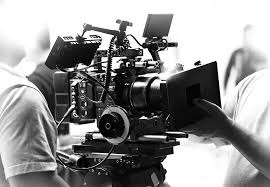
A video made about an Initial Public Offering (IPO) is an effective method of telling the story of your company to the investors. These videos are here to explain your business, as well as, show growth potential and gain trust. When used effectively, the Video Production Process of IPOs can have a tremendous impact at road shows and online presentations.
Throughout this article, we shall take you through the process of producing the IPO video in a simplified language to help you fully understand whatever is involved in every step.
1. Understanding the Purpose
The purpose of the video is to be defined before one begins its production. IPO videos are largely prepared with the aim of:
Appeal to prospective investors.
Explain the business model
Demonstrate expansion and future intentions of the company.
Build credibility and trust
This action facilitates the determination of the tone, style, and content of the video.
2. Research and Planning
A successful IPO video is based on planning. This stage includes:
Company Research
The production team does their research on the company:
Business model
Market position
Financial highlights
Competitors
Target Audience
An essential thing is to know the audience.The primary target audience of IPO videos is:
Institutional investors
Analysts
Stakeholders
Key Message
Choose the message that you want to convey. Keep it simple and clear. Use not so much technical jargon.
3. Scriptwriting
The text is the spirit of the video. With a good script, you are certain that your message is to the point and interesting.
Key Elements of a Good Script:
Good introduction to attract the attention.
Definite description of the business.
Splashes of success and development.
Future vision and strategy
Call-to-action for investors
Make the language simple and comprehensible. The writing must be natural and not too elaborate.
4. Storyboarding
Storyboarding is a process of mapping out the scene of each scene of the script.
It includes:
Scene-by-scene breakdown
Camera angles
Graphics and animations
Text overlays
This will assist in getting all to know how the end video will appear.
5. Pre-Production
All the planning is converted into action at pre-production.
Key Activities:
Choice of location (office, factory etc.)
Selecting speakers (CEO, executives)
Scheduling shoots
Preparing equipment
This stage is time and cost saving with proper planning in filming.
6. Filming (Production Stage)
This is the place where the real video is shot.
What Happens During Filming:
Face-to-face interviews with leadership team.
Office and facility shots
Product demonstrations
Team work culture diagrams.
Tips for Better Filming:
Use good lighting
Ensure clear audio
Have background clean and business-like.
Make speakers feel at ease.
Authenticity is important. Natural and assured communication is effective.
7. Incorporation of Graphics and Animation.
The use of graphics and illustrations to explain complicated information is common in the IPO videos.
Common Elements:
Financial charts
Growth graphs
Market data visuals
Infographics
Such images render the video more interesting and comprehendible.
8. Voiceover and Music
The use of a professional voiceover also creates clarity and sophistication to the video.
Voiceover Tips:
Clear and confident tone
Easy-to-understand language
Brand personality is matched.
Background music must not be too vivid.It must improve the atmosphere of the video.
9. Video Editing
It is all put together in editing.
Editing Includes:
Cutting and arranging clips
Adding transitions
Syncing audio and visuals
Color correction
Adding text and subtitles
It is aimed at establishing a flowing and interactive flow.
10. Review and Feedback
The video has undergone several reviews before it is finalized.
Review Process:
Internal team feedback
Legal and compliance checks
Checking of investor relations.
Ensure that all the information is valid and regulatory.
11. Final Delivery
After the approval, the video is presented in other formats to other platforms:
Website
Investor presentations
Social media
Roadshows
The quality of the formats is such that the video appears professional on all places.
12. Distribution Strategy
It is not only half the battle to create the video. You should also communicate it well.
Distribution Channels:
Company website
Email campaigns
Investor meetings
Online platforms
An effective distribution strategy will make sure that the video is exposed to the appropriate audience.
Advantages of the IPO Video Production.
Here are some key advantages:
Enhances investor knowledge.
Builds brand credibility
Makes complex information to be simplified.
Enhances engagement
Supports global reach
A good IPO video can be an impressive video that helps to raise funds.
Common Mistakes to Avoid
Excessive use of technical language.
Making the video too long
Poor audio or video quality
Lack of clear message
Ignoring compliance rules
The simplification of things and maintaining professionalism is the secret.
Frequently Asked Questions (FAQ)
1. What is an IPO video?
An IPO video is a corporate film that the company makes to showcase the company to prospective investors on its IPO.
2. What is the duration required by an IPO video?
Usually between 3 to 7 minutes. It must be concise and to the point.
3. Who appears in the video?
Top management such as the CEO, CFO and top executives are likely to make an appearance.
4. Why are IPO videos important?
They contribute to the explanation of the business and establishment of trust with investors.
5. Is it possible to apply animation to IPO videos?
Admittedly, it is convenient to use animations to simplify the explanation of data and complex concepts.
Conclusion
The video production process in the IPO is planned well, with a clear message and executed in a professional manner. Research, script writing, shooting, and editing, all these processes are significant in the production of a powerful video.
Companies can also be able to communicate their value to investors by making the language basic, visuals appealing, and the message concise. An IPO video that is well developed does not only narrate your story but also creates confidence and credibility in the market.