When you’re buying square tubes, it’s easy to get confused by all the numbers and terms. Size, thickness, grade—it can sound complicated at first. But once you understand the basics, choosing the right square tube becomes simple and practical.
Square tubes are used everywhere. You’ll find them in gates, furniture, buildings, machines, and even small home projects. The trick is knowing which one fits your work best.
What Is a Square Tube?
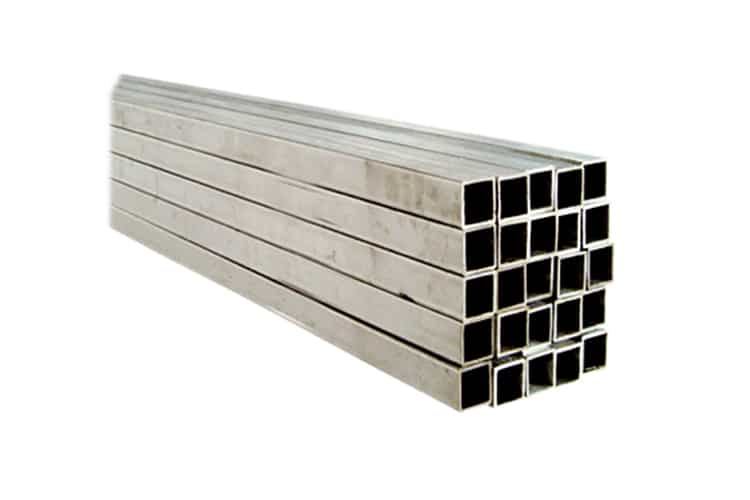
A square tube is just a hollow metal bar with four equal sides. It’s usually made from mild steel, stainless steel, aluminum, or galvanized steel. Because it’s hollow, it’s lighter than a solid bar but still strong enough for most jobs.
That’s why people love using square tubes—they give good strength without adding too much weight.
Understanding Square Tube Sizes
The size of a square tube means the outside width of each side. So if someone says 40 × 40 mm, it means each side of the tube is 40 mm wide.
Some common sizes are:
- 20 × 20 mm
- 30 × 30 mm
- 40 × 40 mm
- 50 × 50 mm
- 100 × 100 mm
Small sizes are usually used for shelves, furniture, and light frames. Medium sizes are common for gates, grills, and railings. Large sizes are used in sheds, factories, and heavy structures.
Bigger size means more strength, but it also means more weight and higher cost. So don’t go big unless you really need to.
Thickness: The Part You Can’t Ignore
Two square tubes can look the same from outside but be very different in strength. That’s because of thickness.
Thickness is how thick the wall of the tube is. It is usually measured in millimeters.
Typical thickness ranges are:
- 0.8–1.2 mm for light furniture and decoration
- 1.6–2.5 mm for gates and railings
- –4 mm for structural work
- 5 mm and above for heavy duty jobs
Thicker tubes are stronger and last longer. Thin tubes are cheaper and easier to handle. Using very thin tubes for heavy work can be risky. Using very thick tubes for light work just wastes money.
The goal is to use what you actually need—not more, not less.
What Does Grade Mean?
Grade tells you what kind of steel the tube is made from and how strong it is. Most regular projects use mild steel because it is affordable, easy to cut and weld, and strong enough for daily use.
Different countries use different grade names, but all of them describe things like strength, flexibility, and quality of steel.
Higher grade usually means stronger steel, but also higher price.
Choosing the Right Combination
You don’t choose size, thickness, and grade separately. You choose them together.
For example:
- A chair frame might use 20 × 20 mm with 1.2 mm thickness
- A house gate might use 40 × 40 mm with 2 mm thickness
- An industrial platform might need 100 × 100 mm with 4 mm thickness
If you go too light, the structure may bend or fail. If you go too heavy, you pay more than needed.
Where Square Tubes Are Used
Square tubes are used in many places:
- Buildings and sheds
- Gates, grills, railings
- Beds, tables, chairs
- Machines and frames
- Farm structures
Because of this wide use, mild square tube manufacturers make many different sizes and thickness options to match different needs.
Simple Way to Choose
Ask yourself:
- How much weight will it carry?
- Will it be indoors or outdoors?
- Does it need rust protection?
- What is my budget?
Quick guide:
- Light indoor work → small size, thin thickness
- Medium outdoor work → medium size, medium thickness
- Heavy industrial work → large size, thick walls
Common Mistakes
- Choosing only by looks
- Ignoring thickness
- Using weak steel for heavy work
- Overpaying for high grade when not needed
- Not checking quality
Final Thoughts
Square tubes may look simple, but choosing the right one makes a big difference. Size decides how big it is, thickness decides how strong it is, and grade decides how good the steel is.
When you understand these three things, you don’t just buy metal—you buy peace of mind. Your work becomes stronger, safer, and more reliable, whether you’re making a small table or a big structure.