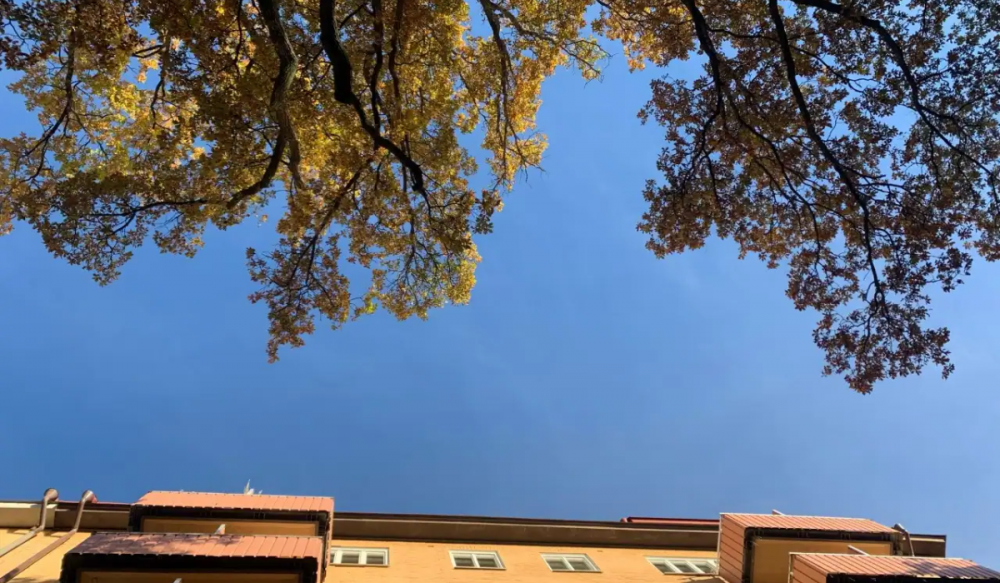
At some point, the trees around your home will need attention, and trimming usually rises to the top of the list.
Tree limbs rarely grow in a neat, predictable pattern. Over time, the canopy thickens, branches cross into each other, and certain limbs stretch farther than they should. What begins as natural growth can slowly turn into a maintenance concern. Sunlight stops reaching parts of the yard, air circulation drops, and the tree’s overall structure becomes uneven.
Many homeowners only react once a branch hangs over the roof, scrapes a wall during wind, or blocks a driveway or walkway. By then, the situation had already progressed. In some cases, weak or dead limbs may break without warning and damage fences, vehicles, or nearby structures. Safety risks for family members and visitors also increase. This brings us to how often you should get those trees trimmed.
Let’s find an answer!
What Influences the Timing of Tree Trimming?
The answer to when you should trim the trees isn’t a random weekend decision. The right time for tree pruning depends on several conditions that are as follows:
The location of the tree
The location of the tree in your home matters just as much as the type of tree itself. A tree planted in an open yard can grow freely for years with minimal tree trimming. However, the same tree placed near a house would behave differently. A common occurrence is when branches grow towards the roof or scrape against the siding when it’s windy.
Dead branches
Deadwood is often one of the most overlooked warning signs. A branch may look fine from a distance but have no leaves during the growing season, or its bark may begin to peel. These limbs become brittle and can even fall without a storm. Deadwood is more dangerous, no matter the season. It should be removed immediately.
Tree species
Every species grows differently. Some grow faster, others a little slower. One that grows faster (such as poplar or willow) often needs more attention frequently. This is because faster-growing trees often lose shape and become dense. Timely trimming helps them stay safe and in shape. For flowering trees, the trimming should be done after blooming.
Tree’s age
Young and mature trees require very different care. A young tree often develops crossing branches or multiple leaders. When left untouched, the weak attachments become splitting points as the trunk thickens. However, mature trees rarely need frequent shaping and become vulnerable to large limb failure.
Growth rate
The speed of growth determines how quickly a tree can return to an overgrown stage. Some trees produce long shoots within a single season. They block sunlight and airflow and sometimes, the denser growth traps moisture as well as increases fungal activity. Besides this, heavy pruning shocks the tree and can trigger excessive regrowth. If that happens, you can face the same problem many times within months.
How Often Should You Trim?
There isn’t a single schedule that fits every tree. This is because every tree behaves differently and demands different levels of care. That’s why the right time for trimming depends on how fast the tree grows, its condition, and how close it stands to your home.
Not to mention, a common mistake that most homeowners make is waiting until the tree looks overgrown. By the time branches appear messy or start hanging low, the tree has already carried excess weight for months or even years. Regular trimming works better as routine care rather than a once-in-a-while project. Smaller and planned pruning keeps the tree stable and prevents sudden hazards.
Here is a practical guide that you can follow.
Young Tree (0-5 Years)
Young trees should usually be trimmed once every year. The structure of the tree is still forming during early growth. Branches may grow in awkward directions, compete with the main trunk, or cross into each other. When a tree develops two main trunks instead of one, the trunks push apart and eventually crack during wind or rain.
The solution? Light annual pruning to establish one strong leader branch and remove competing shoots early.
Young to Middle-Aged Trees (5-15 Years)
Require trimming every 2-3 years. At this stage, the tree grows rapidly and produces long outer branches. The canopy thickens. The sunlight stops reaching the lawn. The lower plants struggle to grow. You may also notice that branches are beginning to extend toward roofs, wires, or neighboring property. And when leaves collect in gutters, they clog drainage as well as cause water to begin backing up.
Homeowners should call a tree surgeon for periodic pruning, as it’ll help control the tree’s size and keep its branches evenly spread.
Mature Trees (15+ Years)
Trees over 15 years of age should be trimmed every 3–5 years along with professional inspection. Mature trees grow slowly but have heavy branches. They don’t need much shaping. However, safety maintenance is important. At this stage, homeowners should focus on reducing risks rather than on looks.
For mature trees, scheduled inspections as well as selective pruning remove weak or overloaded limbs before failure occurs.
Conclusion
Trimming or maintenance goes beyond aesthetics. Often, it helps by protecting your home and improving safety around it.
When you wait until branches become hazardous, it usually leads to higher repair costs and unnecessary stress on the tree. A planned schedule, based on species, age, location, and growth rate, keeps problems small as well as manageable.
If you are unsure about the right trimming schedule or notice warning signs like deadwood, overhanging branches, or uneven canopy growth, professional guidance can make a clear difference. NGH Tree Care provides complete tree maintenance, including pruning, crown reduction, deadwood removal, safety inspections, and general tree care services. Our team focuses on practical solutions that protect both your property and the health of your trees.