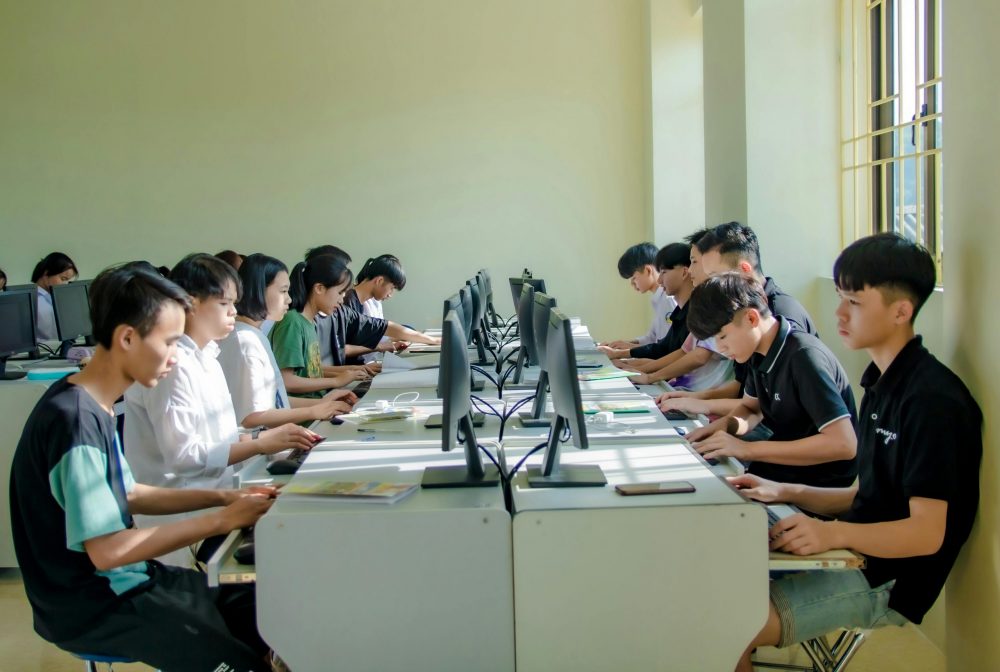
Life in the university is fast-paced.Talk of lectures, assignments, group projects, and exams. They compete for your attention every week. Not to mention part-time work in some cases. This is why having a reliable organization system matters. Without it, little things slip up and become time wasted.
A healthy digital organization habit will allow you to stay on top of your workload.The following are practical systems to adopt right away.
Store everything in the cloud
The first thing you have to do is secure your scholarly efforts. Choose a cloud storage service like:
- iCloud
- Google Drive
- OneDrive.
It should be your main place for file storage. Not your desktop.
Establish a systematic file system:
- Year
- Semester
- Subject
- Lectures
- Assignments
- Readings
- Group Projects.
This order helps to avoid a paper mess. It saves time during document search.
In addition, turn on automatic syncing. This will update your files across devices.Consider the Apple Computer Education Program for students. It enables you to buy the same network devices at discounted prices. This simplifies data synchronization.
Turn your calendar into a command center
Using memory is not efficient. Use a digital calendar.Best practices:
- Immediately add due dates of assignments.
- Send two notifications: one a few days prior, one on the day itself.
- Block study time.
- Add personal engagements to prevent time clashes.
Sort by color-code to be able to visually evaluate workload distribution. You need to be in a position to look at your calendar when exams are near and know what matters immediately.
Standardize your note-taking system
Some students write notes on notebooks, apps, and random files. This can easily cause distractions. Select one major notes platform.
Best practices in digital note-taking involve:
- One notebook per subject.
- Clearly named notes with dates (e.g., Week 4 -Marketing Strategy).
- Headings and bullets. They make it easy to scan the notes.
- Mark important points to be revised in the future.
With digital notes, you can perform quick keyword searches during exam preparation. That will savetime compared to turning physical pages.
Use a file naming convention
Naming files improperly leads to unnecessary confusion. Avoid names like Final.docx or AssignmentNew2.
Instead, use a structured format:
Subject_Code Assignment Name Version Date
Example:
ENG201 – ResearchEssay – V2 – 12Oct2026
This helps you to manage your document versions. Italso prevents the submission of the wrong document. In the case of group projects, settle on a common naming convention early on.
Apply taskmanagement formicro-deadlines
Long-term assignments are tempting since they are not structured. Don’t try to accomplish everything in the final day. Instead,divide them into smaller steps with a digital task manager. For example:
- Research Paper
- Topic approval
- Source collection
- Outline
- Draft 1
- Edit
- Final submission.
Keep on ticking off minor achievements. This will ensure that you are working in the right direction.
Syncwork across different devices
Many students switch between different devices throughout the day. It could be:
- Laptops
- Tablets
- Phones
- Desktop.
Make sure that your apps are automatically integrated. This includes:
- Calendar
- Notes
- Files, etc.
When considering student technology choices,prioritize ecosystem compatibility. This will enable automatic backup capabilities.
Review weekly
Finally, take 15 minutes each Sunday and:
- Check upcoming deadlines
- Clean your desktop
- Archive completed files
- Adjust study blocks.
Digital organization has to be continuous.