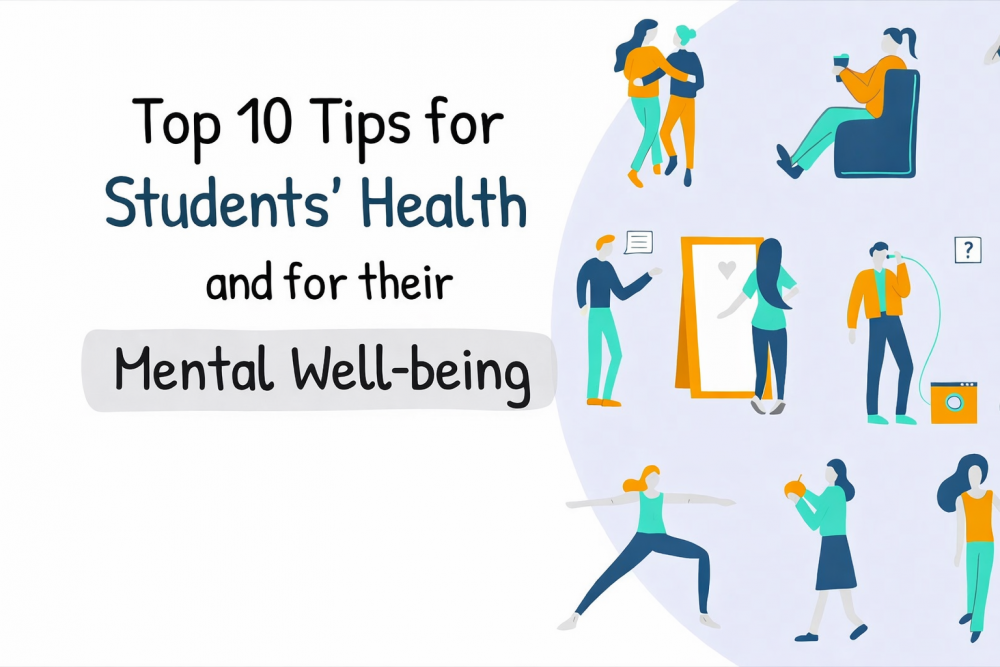
Experiencing burnout, feeling stressed, overwhelmed, and having anxiety has been every other student’s problem. Due to the constant pressure of achieving well, building so much burden on the students. And, it starts affecting their mental and physical health. They get so engrossed in their studies that they miss their meals, their self-time, and start isolating themselves with their books. It can affect their health badly, and this guide has been written for them.
In this guide, you will find 10 amazing tips that can help you relax and make time for yourself. We understand studies are essential, but above them comes health. So, read this guide thoroughly for the tips to bring ease to your mental well-being and health.
Struggles that can Affect Students’ Mental Health
The high and intense academic pressure and competition, the constant need to achieve high, or excel, and the overwhelming workload, lead to stress, anxiety, and also students start fearing rejection or failure. Similarly, unrealistic comparisons can also make students doubt themselves and lower their confidence.
Some students also have financial problems, as they juggle their jobs and studies. Some students also experience bullying, which can cause them difficulty to form relationships with fellow students. Students can get mentally exhausted, and there will be significant behavior changes. That showcases the effect of the struggles on students’ mental health.
Tips for Students:
1. Sufficient Sleep:
The common mistake students make is not getting enough sleep. If your body lacks sleep, to will not be able to work well, and it will negatively affect your mental and physical well-being. Proper sleep not only relieves your stress but also improves your mood and cognitive function, too. Getting proper sleep makes your brain work more effectively and makes you more aware, helping you to process information more easily.
2. Healthy Diet:
Your body needs nutritious food, including fruits, vegetables, etc. A healthy gut leads to a healthy mindset, boost the productivity, and mental wellness. A balanced diet works as a mechanism against stress, so try maintaining and consuming balanced meals throughout the day.
3. Exercise:
Make a habit of daily exercise. It brings mental peace while keeping you physically strong. Exercising not only helps you boost your physical activity but also helps in reducing stress and being more effective and efficient throughout the day. In exercise, you can try yoga, walking, or sports, which can enhance your mood, too.
4. Start Socializing:
There is no point in isolating yourself or stopping socializing or talking with your known ones. When you talk or interact with others, it helps your brain to stimulate. Additionally, it allows the brain to think and work more quickly. It also supports you when you talk with your family or friends, as they will motivate you.
5. Breaks:
The reason for experiencing burnout, or feeling stressed and overwhelmed, is that students skip breaks. Breaks are essential for your physical and mental well-being. (For e.g.: For every hour, there is a 10-minute break), If you follow this routine, it will help your mind to be fresh and active throughout the session.
6. Manage your academic stress:
To avoid having any unnecessary pressure or stress from last-minute work or tight deadlines. Always do planning for ahead, and avoid procrastination. Set small but realistic goals, and to make things more manageable and less stressful, break large tasks into small, easy sections. And to make things easier, you can also seek Assignment Help from the experts. In it, you can easily rely on them with your work, and they will guide you thoroughly through the process. Relieve your stress and workload by seeking their help.
7. Pick a New Hobby:
For better mental health and wellness, pick a new hobby for yourself. If you keep yourself engaged in the activity and enjoy it, then it can help you improve your mental health. Or you can even learn new skills to divert your mind and to keep your brain refreshed.
8. Put a Limit on Your Screen Time:
Screen time is the reason many students procrastinate on their academics and then start panicking at the last minute. To make life easier and avoid pressure, set a curfew for technology. It will reduce anxiety and help you improve your focus. Also, less screen time means no eye issues, too.
9. Ask for Help:
Seeking help is not a problem, and it does not make you any less. Do not hesitate to ask for help; you can contact your counselors, teachers, mental health resources, or even ask your friends, too, if you are struggling or do not have an understanding of the topic. Additionally, there are many helpers whom you can contact and seek their guidance, to make your work much easier, for e.g. Essay Help Germany.
10. Start mental workout:
If you start the mental workout, it will help you so effectively. In a mental workout, you can play mind games or puzzles. Which will not only help you with memory work but also improve your decision-making and strategic skills. This helps your brain keep working, and also prevents mental health issues and illness, such as dementia.
Wrap Up!
This brings us to the end go our guide. We all know many students struggle with their mental health due to the excessive academic pressure. So, this guide can help you thoroughly on how to stop affecting your mental health. Follow the tips to ensure the wellness of your mental and physical health.
We hope you get help through our guide.
Thank You.